





Worm-Eating Warbler
helmitheros vermivorum
The Worm-Eating Warbler is a small, colorful bird that loves to eat worms! It can be found hopping around in the bushes, singing cheerful tunes.
Habitat: They live in forests and woodlands, especially in areas with lots of underbrush.
The Worm-Eating Warbler has a distinctive olive-brown back and creamy underparts. Its head features bold black stripes on a buffy-orange background, and it possesses a slender, pointed bill. This camouflaged bird lacks wing bars or tail spots.
Category
BirdsRarity
Common
Danger
0/5 · No known danger
Snaps
2
Despite its name, caterpillars are often a larger part of its diet than earthworms!
It builds its cup-shaped nest right on the forest floor, cleverly hidden by fallen leaves.
They prefer to nest in dense deciduous forests, often on steep, ravined slopes.
This warbler's song is a distinct, dry, and insect-like trill, unlike many other warblers.
Worm-Eating Warbler can pry hidden insects and larvae from bark and coiled leaves using its specialized, slender bill.
Worm-Eating Warbler has olive-brown and buffy plumage that allows it to blend almost perfectly into the dappled forest undergrowth.
Worm-Eating Warbler can walk up and down tree trunks and branches like a nuthatch, searching for food.
This small bird mostly eats insects and their larvae found on leaves and bark.
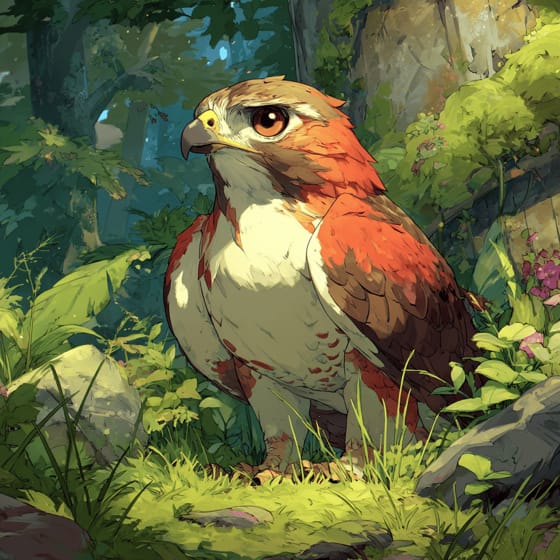
Buteo jamaicensis
A common raptor that preys on small birds.
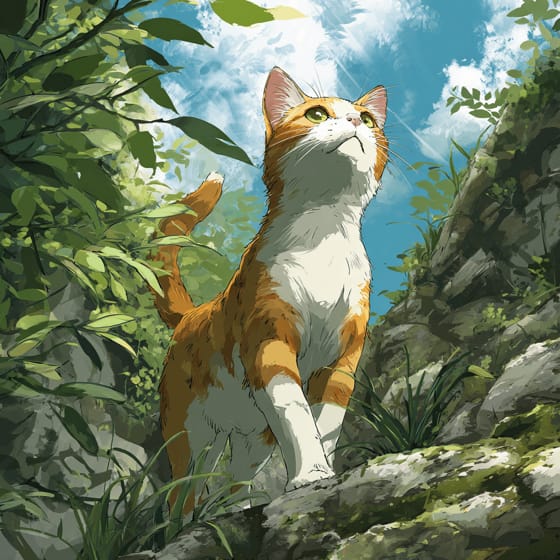
Felis catus
Feral and outdoor domestic cats are significant predators.

Quercus alba
Provides habitat and abundant insect prey, especially caterpillars.
Manduca sexta
Its larvae are a common food source for the warbler.
Social animals live in organized groups, cooperating for survival benefits such as foraging, defense, and raising offspring.
Colorful describes organisms or objects displaying a wide range of bright and distinct colors.
Forest habitats are terrestrial environments dominated by dense tree cover, supporting a high diversity of plant and animal life.
This trait identifies organisms whose diet consists entirely or primarily of animal tissue.

Diurnal animals are primarily active during daylight hours, typically resting or sleeping at night.
Danger
0/5 · No known danger
No special safety notes yet.
The easiest way to identify Worm-Eating Warbler is to use the Snappit nature identifier app.
12-14 cm
18-22 cm
0.01-0.015 kg
3-6 years
35 km/h
This small bird mostly eats insects and their larvae found on leaves and bark.
They live in forests and woodlands, especially in areas with lots of underbrush.
Zoom in to split clusters and explore where this object has been snapped.

Maryland, US
You might spot American Robin, Mourning Dove, and Northern Cardinal.
View guide →

North Carolina, US
You might spot Eastern Fence Lizard and Common Five-Lined Skink.
View guide →

Maryland, US
You might spot Large Whorled Pogonia and Pink Lady's Slipper.
View guide →
Take the discovery with you
Snap it with Snappit to identify it, learn what makes it special, and add the discovery to your collection.




.jpg&width=800)







