Eastern Fence Lizard

The North Carolina Arboretum offers a breathtaking escape into botanical wonders and natural beauty.
The North Carolina Arboretum offers a breathtaking escape into botanical wonders and natural beauty.
Nestled in the Southern Appalachian Mountains just south of Asheville, this 434-acre public garden cultivates connections between people, plants, and places. Surrounded by the botanically diverse Pisgah National Forest, the Arboretum features 65 acres of cultivated gardens, an impressive bonsai collection, and over 10 miles of hiking and biking trails. It serves as a vibrant center for education, research, and conservation, showcasing the rich flora of the Blue Ridge Mountains and beyond.
Visitors can explore diverse botanical displays such as the iconic Quilt Garden, showcasing seasonal blooms in traditional quilt patterns, or the world-renowned Bonsai Exhibition Garden, featuring up to 50 exquisite specimens at a time, including native and Asian species. The National Native Azalea Collection is a highlight, presenting nearly every azalea species native to the United States. Beyond the formal gardens, the Arboretum's trails invite exploration into rich forest ecosystems, offering opportunities to spot diverse wildflowers and connect with nature.
A visit to the North Carolina Arboretum is an immersive experience, whether you're admiring meticulously crafted bonsai, strolling through vibrant floral displays, or hiking serene woodland paths. It's a place where natural beauty, art, and education intertwine, providing memorable moments and a deeper appreciation for the plant world, making it a cherished destination in Western North Carolina. Wondering what that bird or insect is? Find out on your visit using the Snappit nature app.
The concept for an arboretum in this region dates back to 1898, envisioned by landscape architect Frederick Law Olmsted, who also designed the grounds of the nearby Biltmore Estate. While Olmsted's original arboretum plans for the Biltmore Estate were never fully realized, his philosophy influenced the creation of what is now the North Carolina Arboretum. The Arboretum was formally established in 1986 by the General Assembly as an affiliate of the University of North Carolina System. It occupies 324.9 acres within the Bent Creek watershed, on land that became part of the Pisgah National Forest in 1917, building upon a long history of human interaction and forest management in the area. Since its designation in 1989, the Arboretum has remained under active development, evolving into a significant public garden and research facility dedicated to connecting people with plants.
Stroll through cultivated gardens, observe the diverse plant collections, hike or bike the trails, attend guided walks (seasonal), visit the EcoLab for reptiles and amphibians, explore rotating art and science exhibits, and enjoy seasonal events like ArborEvenings (live music) or Winter Lights.
Spring/Summer: Expect vibrant blooms, extended property hours, and events like ArborEvenings with live music.
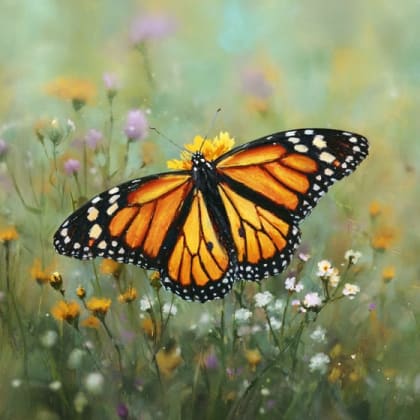
Fall: Peak fall color provides stunning photo opportunities, especially from late October into early November. September is also a time for monarch butterfly migration activities.
Winter: Enjoy festive "Winter Lights" displays, fewer crowds, and potential for unique frosted landscapes. The indoor Tropical Bonsai display offers warmth and exotic plants.
The Education Center, Baker Exhibit Center, and main garden areas are wheelchair accessible, featuring paved paths. Wheelchairs are available for loan at the Baker Exhibit Center. Service animals are permitted throughout the property, including inside buildings and the Bonsai Exhibition Garden. Caregiver passes are available for special events.
A world-renowned collection featuring up to 50 specimens at a time, including traditional Asian and American species.
A woodland garden boasting almost every azalea species native to the U.S., particularly stunning in late spring and early summer.
Displays intricate designs reflecting Blue Ridge quilt patterns through seasonal blooms.
A G-scale model train exhibit that runs on weekends from April to October.
Each card links to a full Explore page with photos, traits, and fun facts.
Start with the big picture, then zoom in to explore individual wildlife observations around this place.
Arrive Early or Visit Weekdays
To avoid crowds, especially during peak seasons like fall foliage or special events, aim to arrive shortly after opening or plan your visit on a weekday.
Check the Website for Hours and Events
Building hours and property closing times vary by season. Always check the official website for up-to-date information on operating hours, special events, and any trail closures due to maintenance.
Bring Snacks or a Picnic
Outside food and drinks are allowed, and there are many scenic spots to enjoy a picnic. The on-site Bent Creek Bistro (Arbor Eatery) offers light dining options, but it has limited hours.
Wear Comfortable Shoes
With over 10 miles of trails and numerous gardens to explore, comfortable walking shoes are a must, especially if you plan to venture onto the unpaved woodland paths.
Grab a Map at the Baker Exhibit Center
Upon arrival, pick up a map at the Baker Exhibit Center. This will help you navigate the extensive grounds, locate specific gardens, and plan your route efficiently.
Be Prepared for Spotty Cell Service
Cell service can be unreliable in the area, but Wi-Fi is available at the Visitor Center.
Jun 4, 2026
Jun 4, 2026
Jun 4, 2026
Jun 4, 2026
Jun 4, 2026

Maryland, US
You might spot White-Tailed Deer and Eastern Gray Squirrel.
View guide →
.jpg)
District of Columbia, US
You might spot Eastern Gray Squirrel, Duck, and House Sparrow.
View guide →

Illinois, US
You might spot American Robin, Canada Goose, and House Sparrow.
View guide →

Virginia, US
You might spot Spotted Lanternfly and Northern Cardinal.
View guide →
Take the discovery with you
Identify the wildlife you spot, learn as you go, and keep a collection of the adventure.