%2C_Hohlenwiesbach%2C_Rocherath%2C_Ostbelgien_(19474316013).jpg&width=800)





Yellow-barred Peat Hover Fly
Sericomyia silentis
The Yellow-barred Peat Hover Fly is a special insect that loves to buzz around flowers. It has bright yellow stripes and looks like a tiny helicopter as it hovers in the air!
Habitat: Wetlands
The Yellow-barred Peat Hover Fly is a large, chunky hoverfly with a dense covering of black hairs on its body. It has distinctive broad, bright yellow bands across its dark abdomen, creating a striking contrast. Its large, reddish-brown eyes are prominent on its face.
Category
InsectsRarity
Common
Danger
1/5 · Very low
Snaps
Be the first to snap!
Adults love to sip sweet flower nectar, while their young munch on decaying plants!
Even though it looks like a bumblebee, this fly cannot sting you at all!
Its larvae, called 'rat-tailed maggots', live in murky water with a long breathing tube!
These amazing insects can fly both forwards and backwards in the air.
Yellow-barred Peat Hover Fly has yellow and black patterns that help them scare predators by looking like a stinging wasp.
Yellow-barred Peat Hover Fly can hover perfectly still in mid-air because of its agile wings that allow precise flight control.
Yellow-barred Peat Hover Fly larvae can break down decaying plant matter because of their special diet in wetland environments.
Adults drink flower nectar, while their larvae are detritivores, eating decaying plant matter.
Age differences: Larvae eat decaying plants in water, but adults feed on flower nectar and pollen.
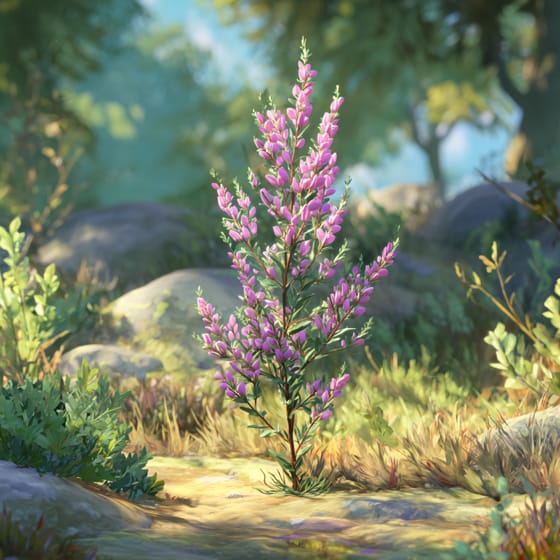
Calluna vulgaris
Adults collect nectar from its purple flowers.

Erica tetralix
They help these bog plants reproduce.
Araneus diadematus
Can become prey for orb-weaving spiders.
Sphagnum capillifolium
Its larvae thrive in decaying moss in peat bogs.
Marked with parallel bands or lines of color.
Aerial creatures spend a significant portion of their lives airborne, utilizing flight for various activities such as hunting, migration, or nesting.
Colorful describes organisms or objects displaying a wide range of bright and distinct colors.
This trait characterizes organisms whose diet consists entirely or primarily of plant material.

Describes plants that are particularly attractive and beneficial to a wide range of pollinating organisms.

This habitat trait identifies species found in wetlands, which are areas of land saturated with water, either permanently or seasonally, including marshes, swamps, and bogs.

Diurnal animals are primarily active during daylight hours, typically resting or sleeping at night.

Describes organisms that transfer pollen, enabling the fertilization and reproduction of plants.
No aliases listed yet.
Danger
1/5 · Very low
Hover flies are friendly and won't hurt you. Just watch them from a distance!
The easiest way to identify Yellow-barred Peat Hover Fly is to use the Snappit nature identifier app.
25-30 mm
12-15 mm
15-40 days
20 km/h
Adults drink flower nectar, while their larvae are detritivores, eating decaying plant matter.
Wetlands
Foraging
Zoom in to split clusters and explore where this object has been snapped.
Recent snaps will appear here as new observations are added.
Take the discovery with you
Snap it with Snappit to identify it, learn what makes it special, and add the discovery to your collection.







.jpg&width=800)



