.jpg&width=800)





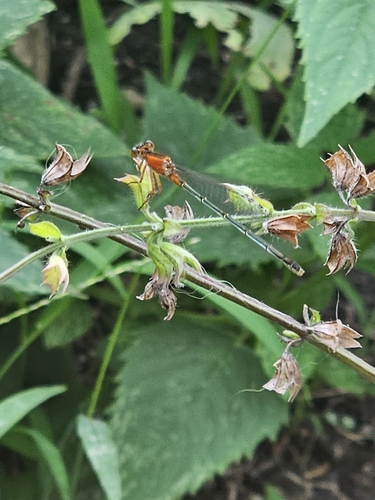
Rambur's Forktail
Ischnura ramburii
Rambur's Forktail is a tiny dragonfly that loves to flutter around water. With its bright blue body and delicate wings, it is a beautiful sight to see near ponds and streams.
Habitat: Wetlands
The Rambur's Forktail is a slender damselfly, with males often displaying a vibrant blue thorax and abdomen, contrasted by black segments. Females can vary from greenish to orange or blue. Its distinctive two-toned wing spots and the male's forked tail-end help distinguish it.
Category
InsectsRarity
Common
Danger
1/5 · Very low
Snaps
8
Damselflies like this can rotate their heads almost 180 degrees to look around!
They have nearly 360-degree vision, seeing almost everything around them!
Unlike dragonflies, damselflies often hold their wings folded together over their back when resting.
Young Rambur's Forktails live underwater as fierce, gilled predators!
Rambur's Forktail larvae can breathe underwater using special gills because this adaptation helps them thrive as aquatic predators before becoming adults.
Rambur's Forktail females can be several different colors, like green, orange, or blue, which helps them avoid unwanted attention from males.
Rambur's Forktails are tiny insect hunters, using their agility to catch small flying prey.
Age differences: Larvae are aquatic predators, eating tiny water insects; adults hunt flying insects in the air.
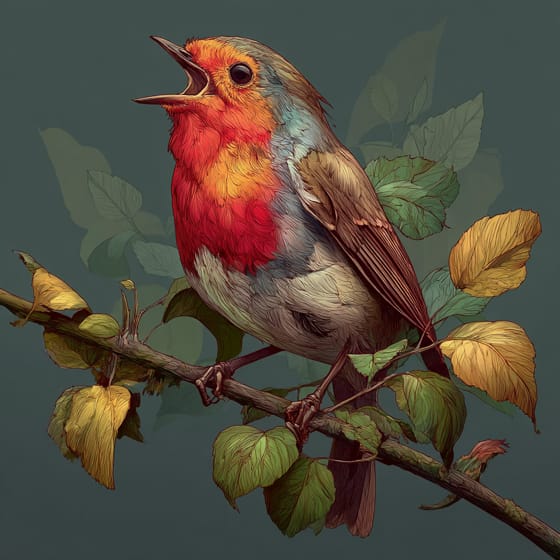
Turdus migratorius
Adult damselflies can become a meal for hungry birds.
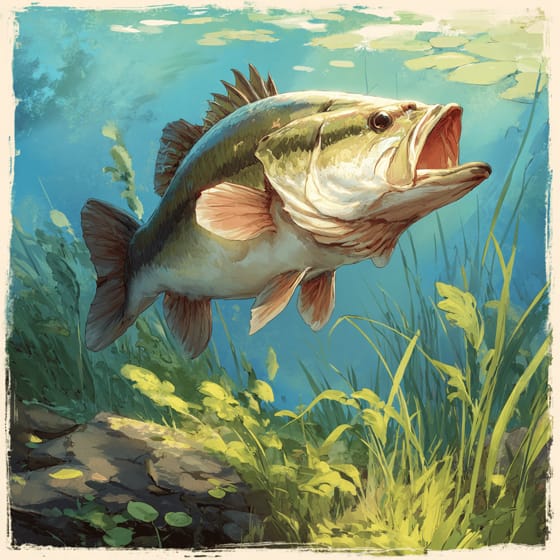
Micropterus salmoides
Their aquatic larvae are prey for many fish species.
Culex pipiens
Adults actively catch and eat various small flying insects.
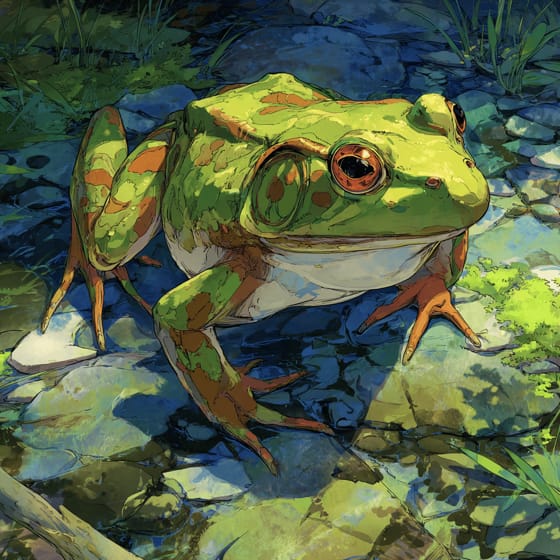
Lithobates catesbeianus
Adult damselflies can be snapped up by hungry frogs.
Aerial creatures spend a significant portion of their lives airborne, utilizing flight for various activities such as hunting, migration, or nesting.
Colorful describes organisms or objects displaying a wide range of bright and distinct colors.
This trait identifies organisms whose diet primarily consists of insects and other small invertebrates.
This habitat trait identifies species found in wetlands, which are areas of land saturated with water, either permanently or seasonally, including marshes, swamps, and bogs.

Diurnal animals are primarily active during daylight hours, typically resting or sleeping at night.

Freshwater habitats include non-saline aquatic environments such as rivers, lakes, ponds, and wetlands, vital for numerous species.

Pertaining to species that are significantly smaller than typical or average for their kind.

Describes organisms that transfer pollen, enabling the fertilization and reproduction of plants.
No aliases listed yet.
Danger
1/5 · Very low
Be gentle and quiet when watching dragonflies so you don't scare them away.
The easiest way to identify Rambur's Forktail is to use the Snappit nature identifier app.
30-45 mm
25-35 mm
20-60 days
5-15 km/h
Rambur's Forktails are tiny insect hunters, using their agility to catch small flying prey.
Wetlands
Pursuit
Zoom in to split clusters and explore where this object has been snapped.
Jun 1, 2026
Algiers PointPhoto attribution
(c) willingarden, some rights reserved (CC BY)
License: CC BY 4.0 ↗
Image may be shown cropped inside the card frame.

Florida, US
You might spot Brown Anole, White Ibis, and Anhinga.
View guide →

Texas, US
You might spot Brown Anole, Gulf Fritillary, and Pond Slider.
View guide →

South Carolina, US
You might spot Gulf Fritillary, Poey's Furrow Bee, and Anole.
View guide →

Louisiana, US
You might spot Brown Anole, White Beggarticks, and Gulf Coast Buck Moth.
View guide →

Louisiana, US
You might spot Brush-Footed Butterflies, Ant, and Hercules Beetle.
View guide →

New Jersey, US
You might spot Mute Swan, Eastern Pondhawk, and Osprey.
View guide →
Take the discovery with you
Snap it with Snappit to identify it, learn what makes it special, and add the discovery to your collection.








.jpg&width=800)



