





Yellow Columbine
aquilegia flavescens
The Yellow Columbine is a beautiful flower with bright yellow petals that look like little bells! It attracts many butterflies and bees, making gardens lively and colorful.
Habitat: Rocky slopes and open woods
The Yellow Columbine has intricate, nodding yellow flowers, often with red or orange spurs that extend backward. Its delicate, fern-like leaves are typically blue-green, making the bright, unique blooms stand out in its habitat.
Category
PlantsRarity
Common
Danger
1/5 · Very low
Snaps
2
Hummingbirds love these flowers because their long beaks can reach the sweet nectar hidden deep inside.
Its name "Columbine" comes from the Latin word for dove, due to the flower's resemblance to a cluster of doves.
Native Americans historically used parts of columbine plants for various traditional remedies.
The petals are actually transformed leaves, folded to create the unique spur shapes! Wow!
Yellow Columbine has long spurs that hold nectar, attracting hummingbirds for efficient pollination.
Yellow Columbine can grow in rocky crevices, anchoring itself in tough spots to find moisture.
Yellow Columbine has dry seed pods that release seeds when shaken by wind, spreading new plants.
.jpg&width=800)
Selasphorus rufus
sips nectar from its long spurs.
Bombus bifarius
gathers pollen and nectar.
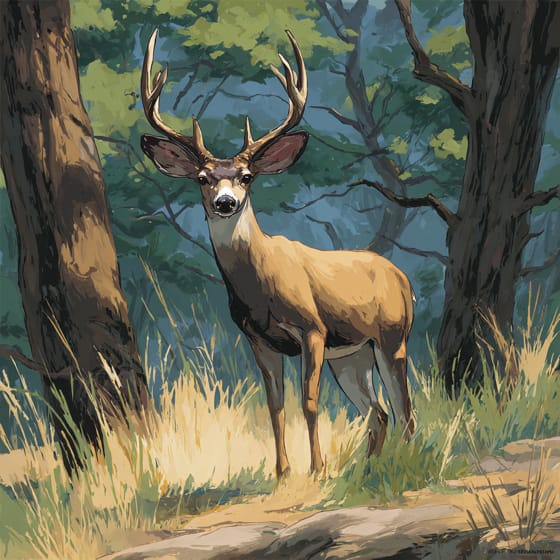
Odocoileus hemionus
grazes on its leaves and stems.
Colorful describes organisms or objects displaying a wide range of bright and distinct colors.
This trait characterizes organisms whose diet consists entirely or primarily of plant material.
Forest habitats are terrestrial environments dominated by dense tree cover, supporting a high diversity of plant and animal life.
Diurnal animals are primarily active during daylight hours, typically resting or sleeping at night.

Describes organisms that transfer pollen, enabling the fertilization and reproduction of plants.
Danger
1/5 · Very low
No special safety notes yet.
The easiest way to identify Yellow Columbine is to use the Snappit nature identifier app.
30-90 cm
30-60 cm
3-5 cm
Late spring to mid-summer
No
Mild
Perennial
Zoom in to split clusters and explore where this object has been snapped.

Montana, US
You might spot Bighorn Sheep and Mountain Goat.
View guide →

Montana, US
You might spot Field Crescent, Thimbleberry, and Baker's Mariposa Lily.
View guide →

Montana, US
You might spot Western Toad and Mountain Lady's-Slipper.
View guide →

Montana, US
You might spot Moose, Common Beargrass, and Thimbleberry.
View guide →

British Columbia, CA
You might spot White Pasqueflower and Hoary Marmot.
View guide →
Take the discovery with you
Snap it with Snappit to identify it, learn what makes it special, and add the discovery to your collection.








.jpg&width=800)



_001.jpg&width=800)




