.jpg&width=800)





Yellow-crowned Night Heron
Nyctanassa violacea
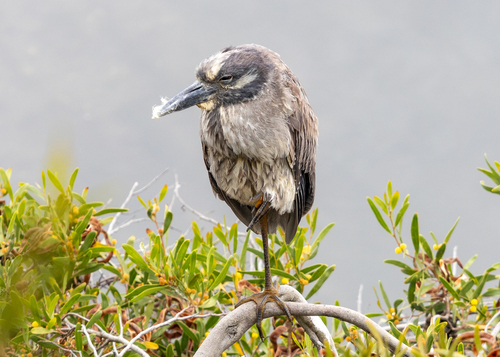
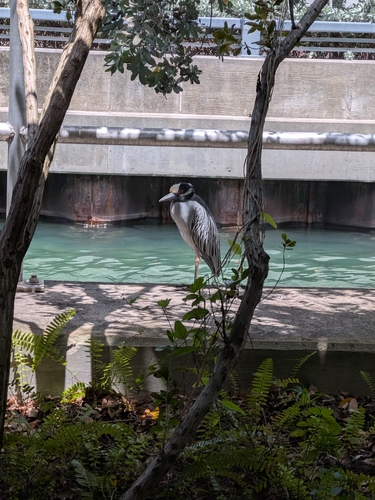
The Yellow-crowned Night Heron is a beautiful bird with a striking yellow crown. It loves to hunt for food at night and can often be seen near water looking for tasty crabs and frogs.
Habitat: Wetlands
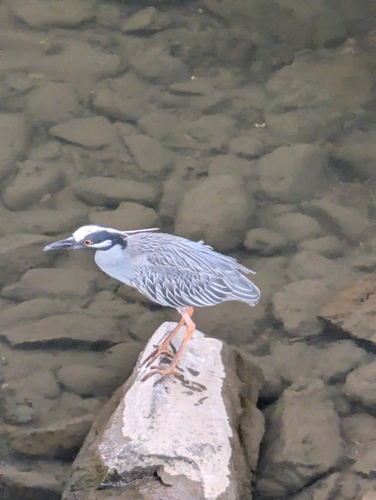
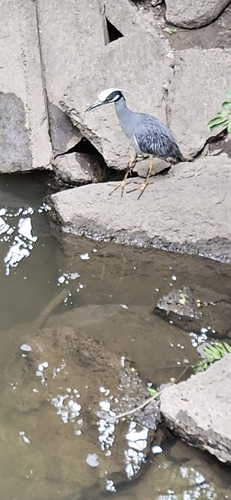
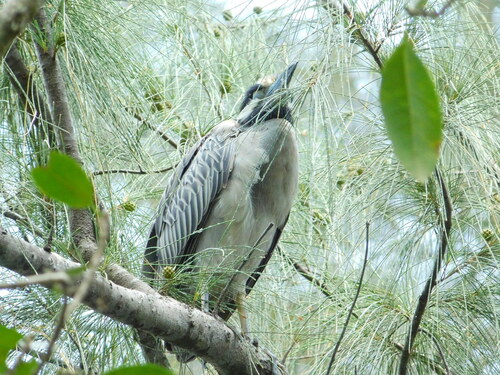
The Yellow-crowned Night Heron has a stocky, grey body with a distinctive black head marked by a white cheek patch and a pale yellow crown. Its piercing red eyes stand out against its dark plumage, and it has sturdy yellow legs. Unlike other herons, it has a shorter, thicker bill perfect for its diet.
Category
BirdsRarity
Common
Danger
2/5 · Low
Snaps
99
Baby herons are born with fluffy brown feathers, not grey!
Some Yellow-crowns travel thousands of kilometers each year!
Their scientific name, Nyctanassa, means 'night queen'!
They use their sturdy bill to flip over rocks looking for food!
Yellow-crowned Night Herons can see in very low light because of their specialized large red eyes, that helps them hunt at night.
Yellow-crowned Night Herons have a strong, pointed bill and powerful neck muscles that helps them catch and crack open tough crab shells.
Yellow-crowned Night Herons can stand incredibly still for long periods because of their patient hunting style, that helps them ambush unsuspecting prey.
These herons mostly munch on tasty crabs and other crunchy critters found near water.
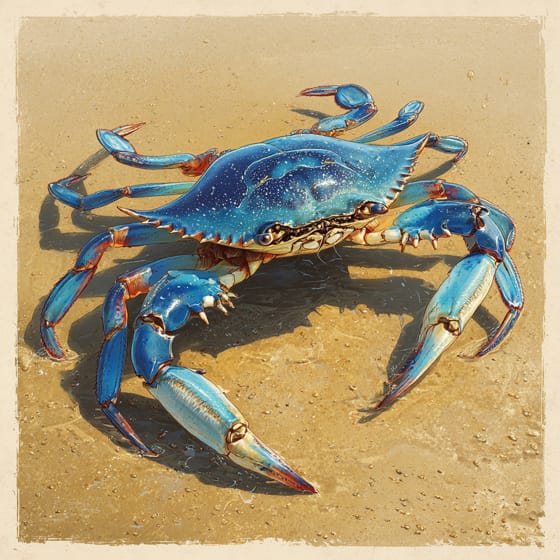
Callinectes sapidus
A primary food source in coastal habitats.
Procambarus clarkii
Often hunted in freshwater marshes and ditches.
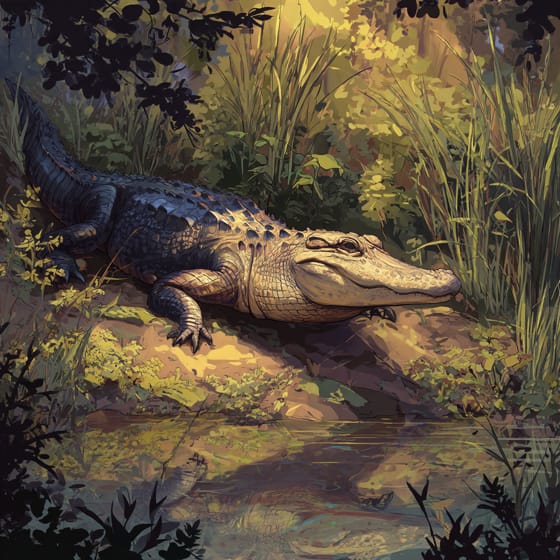
Alligator mississippiensis
Juveniles and eggs are prey for alligators.
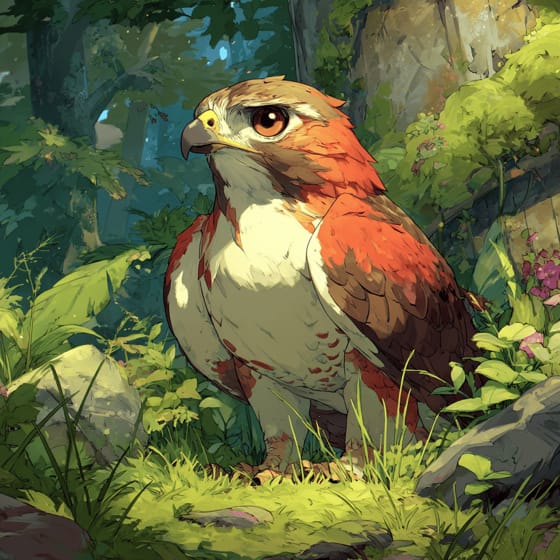
Buteo jamaicensis
Can sometimes prey on adult herons or fledglings.
Feathered describes animals, primarily birds, possessing a covering of feathers.
Solitary animals live alone for most of their lives, only interacting with others for mating or parental care.
Colorful describes organisms or objects displaying a wide range of bright and distinct colors.
Piscivorous organisms are animals that primarily subsist on a diet of fish.

An ambush predator hunts by patiently waiting and concealing itself, then launching a sudden attack when unsuspecting prey comes within range.

This habitat trait identifies species found in wetlands, which are areas of land saturated with water, either permanently or seasonally, including marshes, swamps, and bogs.

This trait identifies organisms whose diet consists entirely or primarily of animal tissue.

Aquatic habitats encompass environments where organisms live predominantly in water, including oceans, rivers, lakes, and wetlands.

Nocturnal animals are primarily active during the nighttime hours, typically resting or sleeping during the day.
No aliases listed yet.
Danger
2/5 · Low
Always watch birds from a distance and don’t try to touch them.
The easiest way to identify Yellow-crowned Night Heron is to use the Snappit nature identifier app.
55-70 cm
100-112 cm
0.5-0.8 kg
10-15 years
40 km/h
These herons mostly munch on tasty crabs and other crunchy critters found near water.
Wetlands
Zoom in to split clusters and explore where this object has been snapped.
Jun 6, 2026
Venice Canal Historic DistrictPhoto attribution
(c) Roberto Daniel Avila, some rights reserved (CC BY)
License: CC BY 4.0 ↗
Image may be shown cropped inside the card frame.
Jun 2, 2026
Roanoke City Market Historic DistrictPhoto attribution
(c) portulaca, some rights reserved (CC BY)
License: CC BY 4.0 ↗
Image may be shown cropped inside the card frame.
May 27, 2026
Topeka ZooPhoto attribution
(c) Robert Hoard, some rights reserved (CC BY)
License: CC BY 4.0 ↗
Image may be shown cropped inside the card frame.
May 27, 2026
Bay Shore Historic DistrictPhoto attribution
(c) David Garza, some rights reserved (CC BY)
License: CC BY 4.0 ↗
Image may be shown cropped inside the card frame.
Apr 21, 2026
Collins Waterfront Architectural DistrictPhoto attribution
no rights reserved
License: CC0 1.0 ↗
Image may be shown cropped inside the card frame.

Pennsylvania, US
You might spot American Robin, Red-Winged Blackbird, and Lesser Celandine.
View guide →

Louisiana, US
You might spot Brown Anole, White Ibis, and Duck.
View guide →

South Carolina, US
You might spot Brown Pelican, Boat-Tailed Grackle, and Great Egret.
View guide →
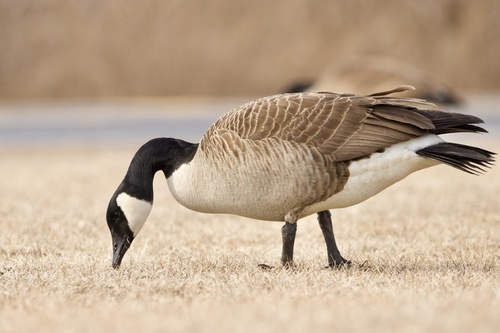
New York, US
You might spot Canada Goose and Atlantic Horseshoe Crab.
View guide →

US
You might spot Monarch, Ipsilon Dart Moth, and Canada Goose.
View guide →

South Carolina, US
You might spot Joro Spider, Pickerelweed, and Great Blue Heron.
View guide →
Take the discovery with you
Snap it with Snappit to identify it, learn what makes it special, and add the discovery to your collection.




.jpg&width=800)






