





Chestnut-backed Chickadee
Poecile rufescens
The Chestnut-backed Chickadee is a small, cheerful bird with a brown back and a black cap. They love to flit around trees and are known for their sweet, chirpy calls that sound like 'chick-a-dee-dee-dee'.
Habitat: Forests
The Chestnut-backed Chickadee has a distinctive rufous (chestnut-brown) back, flanks, and sides, setting it apart from other chickadees. It features a solid black cap, white cheek patches, and a short black bib. Its wings and tail are gray.
Category
BirdsRarity
Common
Danger
1/5 · Very low
Snaps
21
In winter, they often join flocks with other bird species to search for food together!
Their name 'chickadee' comes from their characteristic 'chick-a-dee-dee-dee' alarm call.
These tiny birds can eat up to 35% of their body weight in food every single day!
They often excavate their own snug nest cavities in soft, rotting wood.
The Chestnut-backed Chickadee can remember hundreds of food hiding spots because its brain grows new cells to store memories.
This chickadee can hang upside down on branches to find hidden insects and seeds that others might miss.
The Chestnut-backed Chickadee uses a variety of complex calls to alert others to danger or find food sources.
These small birds enjoy a diverse menu of insects, spiders, and seeds from coniferous trees.
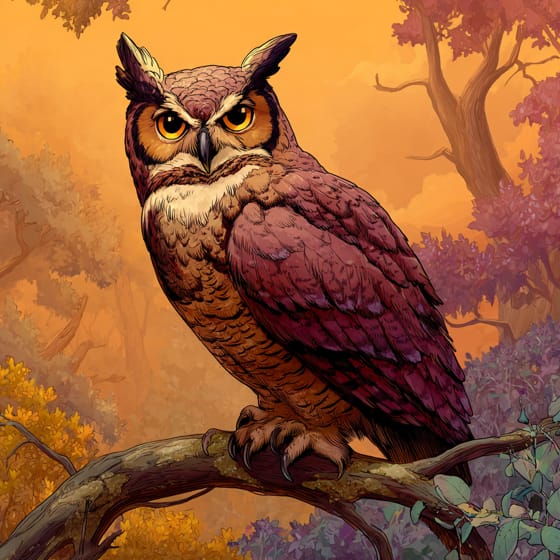
Bubo virginianus
A common nocturnal predator
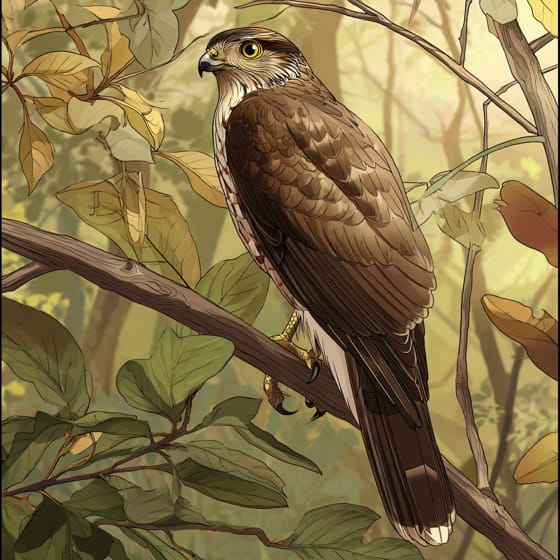
Accipiter cooperii
A swift avian predator
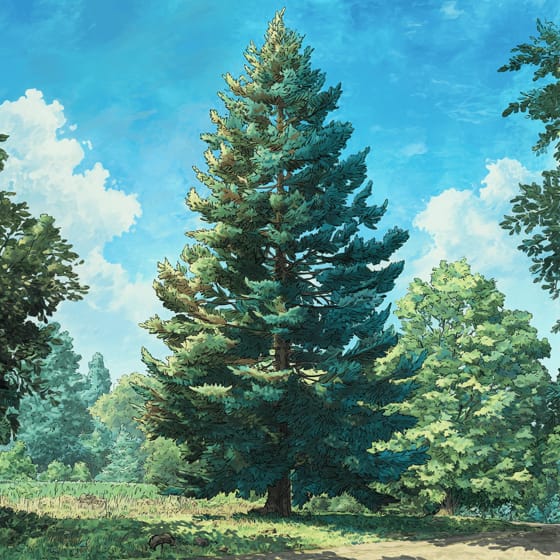
Pseudotsuga menziesii
Provides seeds, nesting sites, and shelter
Malacosoma disstria
A common insect prey item
Feathered describes animals, primarily birds, possessing a covering of feathers.
Social animals live in organized groups, cooperating for survival benefits such as foraging, defense, and raising offspring.
Singing animals produce complex vocalizations, often for purposes of attracting mates, defending territory, or communicating within their species.
Arboreal animals live primarily in trees, utilizing them for shelter, food, and protection from predators.

This trait identifies organisms whose diet primarily consists of insects and other small invertebrates.

Forest habitats are terrestrial environments dominated by dense tree cover, supporting a high diversity of plant and animal life.

Diurnal animals are primarily active during daylight hours, typically resting or sleeping at night.
No aliases listed yet.
Danger
1/5 · Very low
Enjoy watching birds from a distance and don't try to touch them.
The easiest way to identify Chestnut-backed Chickadee is to use the Snappit nature identifier app.
11.5-13 cm
17-21 cm
0.0085-0.0125 kg
2-7 years
40 km/h
These small birds enjoy a diverse menu of insects, spiders, and seeds from coniferous trees.
Forests
Zoom in to split clusters and explore where this object has been snapped.

Washington, US
You might spot Pacific Banana Slug and Oregon Forestsnail.
View guide →

California, US
You might spot Checkerbloom and Fuchsiaflower Gooseberry.
View guide →

Alaska, US
You might spot Bald Eagle, Salmonberry, and Ochre Sea Star.
View guide →

California, US
You might spot Duck, Black-Necked Stilt, and House Finch.
View guide →

US
You might spot Western Gull, Brandt's Cormorant, and Pride Of Madeira.
View guide →

California, US
You might spot Eastern Fox Squirrel, Monarch, and Turkey.
View guide →
Take the discovery with you
Snap it with Snappit to identify it, learn what makes it special, and add the discovery to your collection.




.jpg&width=800)








