.jpg&width=800)





Black Phoebe
Sayornis nigricans
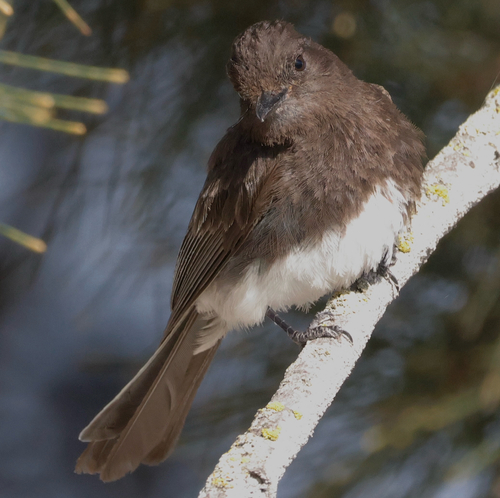
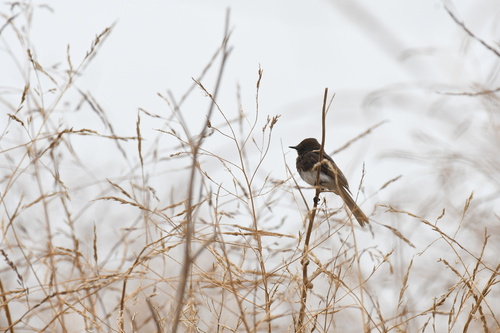
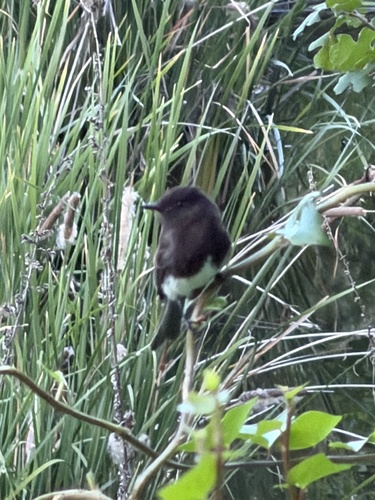
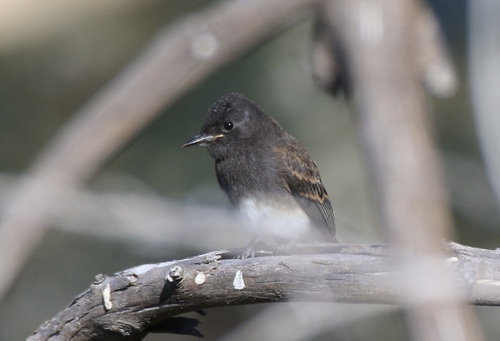
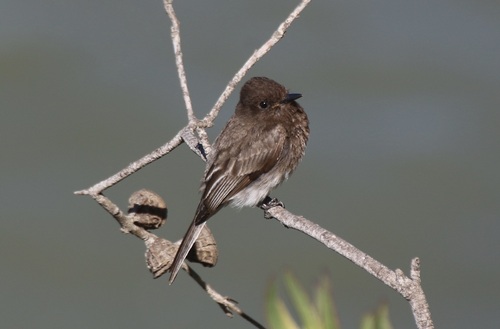
The Black Phoebe is a small, cheerful bird with a black head and back, and a white belly. They love to catch insects in mid-air and can often be seen perched on fences or low branches.
Habitat: Urban areas, near water
The Black Phoebe is a striking bird, almost entirely sooty black with a clean, crisp white belly and undertail coverts. Its dark head can appear slightly crested. This simple yet elegant plumage makes it easy to distinguish from other smaller, paler flycatchers.
Category
BirdsRarity
Common
Danger
1/5 · Very low
Snaps
73
A phoebe's 'chip' or 'fee-bee' call sounds just like its name!
Amazingly, they often return to use the same nest site each year.
Both Black Phoebe parents help feed their hungry baby birds.
They often build nests under human structures like bridges!
Black Phoebe can constantly pump its tail up and down, a unique signal that helps them communicate their presence to others.
Black Phoebe can expertly snatch flying insects from the air, using agile flight to catch its quick-moving prey.
Black Phoebe has special saliva it mixes with mud to create sturdy, cup-shaped nests, protecting its eggs and young.
Black Phoebes are expert bug catchers, mostly eating flying insects they snag in mid-air.
Musca domestica
A key part of the phoebe's insect diet.
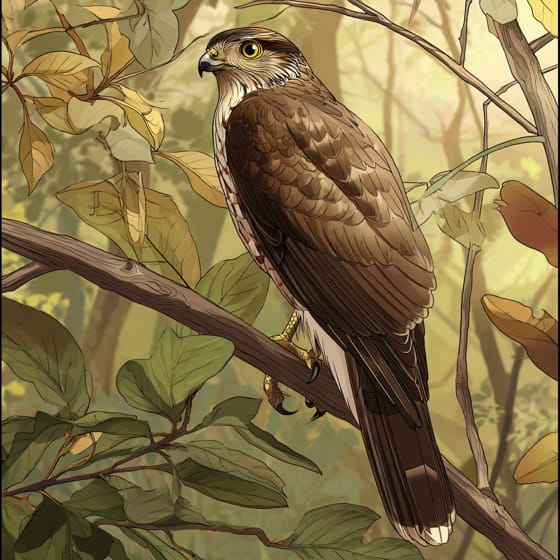
Accipiter cooperii
A common raptor predator of small birds like phoebes.
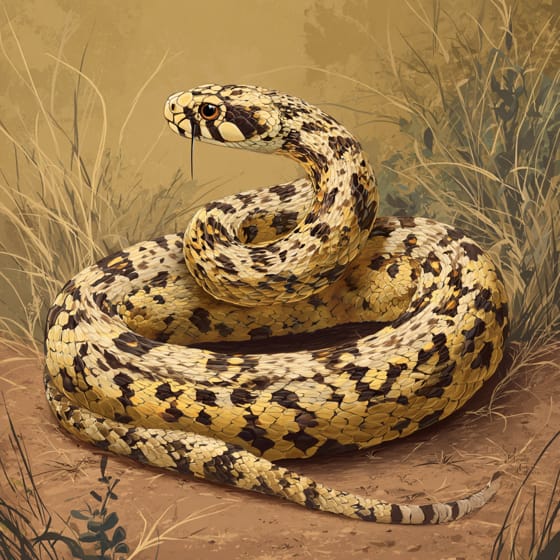
Pituophis catenifer
Snakes can raid nests for eggs and chicks.

Salix spp.
Nests often built on structures near willow-lined streams.
Feathered describes animals, primarily birds, possessing a covering of feathers.
Social animals live in organized groups, cooperating for survival benefits such as foraging, defense, and raising offspring.
Aerial creatures spend a significant portion of their lives airborne, utilizing flight for various activities such as hunting, migration, or nesting.
Singing animals produce complex vocalizations, often for purposes of attracting mates, defending territory, or communicating within their species.

This trait identifies organisms whose diet primarily consists of insects and other small invertebrates.

Diurnal animals are primarily active during daylight hours, typically resting or sleeping at night.

Aquatic habitats encompass environments where organisms live predominantly in water, including oceans, rivers, lakes, and wetlands.

This habitat trait indicates species that can coexist with humans in urban and suburban environments, utilizing man-made structures and green spaces.
No aliases listed yet.
Danger
1/5 · Very low
Enjoy watching birds from a distance, and never try to touch or catch them.
The easiest way to identify Black Phoebe is to use the Snappit nature identifier app.
14-17 cm
25-28 cm
0.015-0.022 kg
2-8 years
40 km/h
Black Phoebes are expert bug catchers, mostly eating flying insects they snag in mid-air.
Urban areas, near water
Zoom in to split clusters and explore where this object has been snapped.
Jun 19, 2026
Palo Alto Baylands Nature PreservePhoto attribution
no rights reserved
License: CC0 1.0 ↗
Image may be shown cropped inside the card frame.
Jun 6, 2026
Mount EcclesiaPhoto attribution
(c) zr217, some rights reserved (CC BY)
License: CC BY 4.0 ↗
Image may be shown cropped inside the card frame.
Jun 6, 2026
Iron Horse Regional TrailPhoto attribution
(c) Irina Mitine, some rights reserved (CC BY)
License: CC BY 4.0 ↗
Image may be shown cropped inside the card frame.
Jun 5, 2026
Aquarium of the BayPhoto attribution
(c) Cricket Raspet, some rights reserved (CC BY)
License: CC BY 4.0 ↗
Image may be shown cropped inside the card frame.
Jun 5, 2026
Aquarium of the BayPhoto attribution
(c) Cricket Raspet, some rights reserved (CC BY)
License: CC BY 4.0 ↗
Image may be shown cropped inside the card frame.

California, US
You might spot Western Fence Lizard and California Brittlebush.
View guide →

California, US
You might spot Monarch, Canada Goose, and Western Gull.
View guide →

California, US
You might spot Western Fence Lizard and Pacific Poison Oak.
View guide →

California, US
You might spot Western Fence Lizard, Eastern Fox Squirrel, and Duck.
View guide →

New Mexico, US
You might spot Duck, Greater Roadrunner, and American Robin.
View guide →

California, US
You might spot Northern Harrier and Black-Tailed Jackrabbit.
View guide →
Take the discovery with you
Snap it with Snappit to identify it, learn what makes it special, and add the discovery to your collection.




.jpg&width=800)









