





Yellow-striped Leafhopper
Sibovia occatoria
The Yellow-striped Leafhopper is a small, colorful insect that loves to hop around in gardens and fields. Its bright yellow stripes help it blend in with the leaves, making it a fun little creature to spot!
Habitat: Grasslands
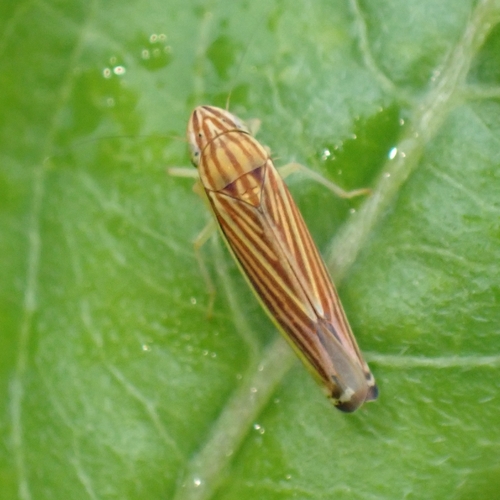
The Yellow-striped Leafhopper is a small, slender insect with a bright green body. It has two distinctive bright yellow stripes running down its back from its wedge-shaped head to its wing tips. Its large eyes are also a noticeable feature.
Category
InsectsRarity
Common
Danger
1/5 · Very low
Snaps
4
Each leafhopper has unique patterns, like tiny fingerprints!
Some can walk backwards as fast as they walk forwards!
Their tiny wings are clear, like delicate stained glass!
They leave behind sweet "honeydew" droplets, a sticky treat!
Yellow-striped Leafhopper can leap an astonishing 30 times its own body length because of powerful hind legs that help them escape predators quickly.
Yellow-striped Leafhopper has a specialized straw-like mouthpart that helps them pierce plant stems to drink nutritious sap.
Yellow-striped Leafhopper can communicate with others by making tiny vibrations through plant stems because of special body parts that help them find mates.
Yellow-striped Leafhopper has bright yellow stripes that help them blend in perfectly with sun-dappled leaves, making them very hard to spot.
Sips sugary sap from many different kinds of plants!
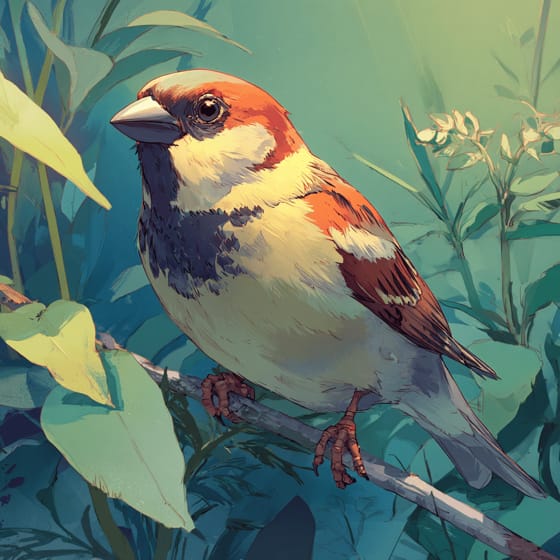
Passer domesticus
Birds often catch them for a meal.
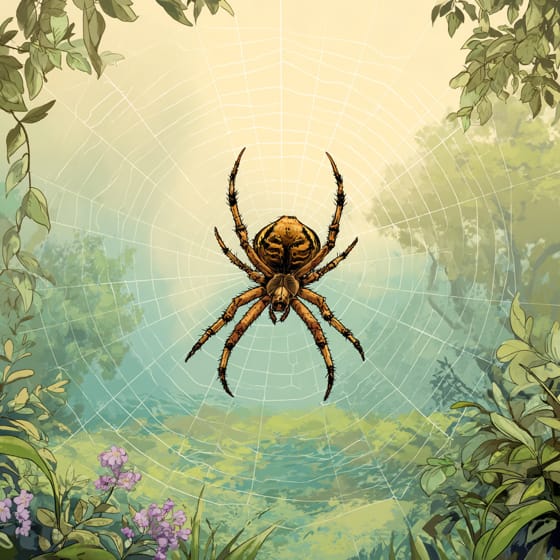
Argiope aurantia
Traps them in its sticky web.

Quercus alba
Drinks sap from its leaves.

Acer saccharum
Feeds on sweet sap from its stems.
Hippodamia convergens
Predatory insect that eats leafhopper nymphs.
Marked with parallel bands or lines of color.
Solitary animals live alone for most of their lives, only interacting with others for mating or parental care.
Colorful describes organisms or objects displaying a wide range of bright and distinct colors.
Grassland habitats are terrestrial biomes dominated by grasses and herbaceous plants, supporting a variety of grazing animals.

This trait characterizes organisms whose diet consists entirely or primarily of plant material.

Diurnal animals are primarily active during daylight hours, typically resting or sleeping at night.

Describes organisms that transfer pollen, enabling the fertilization and reproduction of plants.
No aliases listed yet.
Danger
1/5 · Very low
Leafhoppers are harmless, but it's best to watch them from a distance.
The easiest way to identify Yellow-striped Leafhopper is to use the Snappit nature identifier app.
10-14 mm
5-7 mm
15-30 days
2 km/h
Sips sugary sap from many different kinds of plants!
Grasslands
Foraging
Zoom in to split clusters and explore where this object has been snapped.
May 25, 2026
Sperryville Historic DistrictPhoto attribution
(c) Peter Burka, some rights reserved (CC BY-SA)
License: CC BY-SA 4.0 ↗
Image may be shown cropped inside the card frame.

Georgia, US
You might spot Asian Lady Beetle, Anole, and Joro Spider.
View guide →

District of Columbia, US
You might spot Eastern Gray Squirrel, Spotted Lanternfly, and Duck.
View guide →
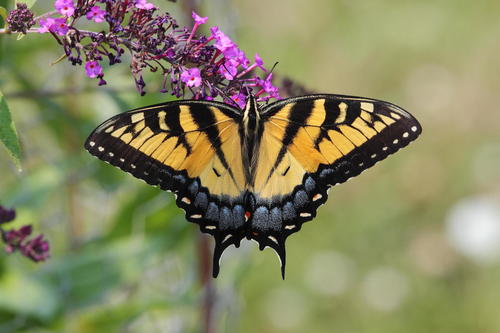
North Carolina, US
You might spot Eastern Tiger Swallowtail and American Pokeweed.
View guide →

Virginia, US
You might spot Eastern Box Turtle and Eastern Tiger Swallowtail.
View guide →
Take the discovery with you
Snap it with Snappit to identify it, learn what makes it special, and add the discovery to your collection.






.jpg&width=800)



