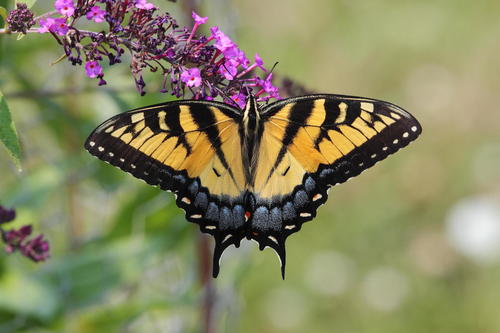
Eastern Tiger Swallowtail
Discover the enduring legacy of African American education at Palmer Memorial Institute.
Discover the enduring legacy of African American education at Palmer Memorial Institute. This historic site, now the Charlotte Hawkins Brown Museum, preserves the campus of a pioneering preparatory school in Sedalia, North Carolina, founded in 1902 by the visionary Dr. Charlotte Hawkins Brown. It stands as North Carolina's first state historic site dedicated to the achievements of an African American and a woman, offering a poignant look into the lives of over 2,000 students who passed through its doors.
Visitors can explore several restored and preserved structures, including Dr. Brown's personal residence, Canary Cottage, meticulously furnished to reflect its 1930s-1940s heyday. The campus also features viewable dormitories, Kimball Dining Hall, the Bell Tower, and a Teahouse, each telling a part of the school's rich narrative. Outdoor exhibit panels provide historical context for each building, complementing the immersive experience of walking the grounds where a nationally recognized "finishing school" once thrived.
The Palmer Memorial Institute offers a powerful journey through African American history, women's history, and the profound impact of education during the Jim Crow era. It’s a place to reflect on the resilience and dedication that shaped generations, providing inspiration and a deeper understanding of the contributions of African Americans to education and social progress in North Carolina and beyond. Be ready to snap and learn! Get the Snappit app to identify any nature species you find here.
The Palmer Memorial Institute was founded in 1902 by the nineteen-year-old African American educator, Charlotte Hawkins Brown, in Sedalia, North Carolina. Initially established in an old blacksmith's shed, the school aimed to provide education for local rural Black youth, combining academic and industrial training. Named in honor of Alice Freeman Palmer, Dr. Brown's mentor and benefactor, the institute grew significantly under Brown's fifty-year leadership, expanding to over 300 acres and 14 buildings at its peak. By 1922, the Palmer Memorial Institute achieved full accreditation by the Southern Association of Colleges and Secondary Schools, a rare accomplishment for African American high schools at the time. It evolved into a highly respected college preparatory and "finishing school," attracting students from across the United States and even internationally. After Dr. Brown's death in 1961, the school faced financial difficulties, exacerbated by integration and rising costs, and a devastating fire in 1971 led to its closure. The campus was later acquired by the State of North Carolina and reopened in 1987 as the Charlotte Hawkins Brown Memorial State Historic Site, becoming the first state historic site honoring an African American and a woman.
Take a guided tour of Canary Cottage, immerse yourself in the exhibits at the Visitor Center, and stroll the grounds to learn about the different historical buildings and their significance. Engage with the outdoor exhibit panels that tell the story of the Palmer Memorial Institute campus.
North Carolina summers can be hot and humid, so visitors should plan accordingly. While indoor exhibits offer respite, much of the experience is outdoors.
The visitor center and the first floor of Canary Cottage are accessible to all visitors. Sidewalks, drives, and handicapped parking spaces have been added, making over 90% of the campus accessible.
Dr. Brown's restored residence, furnished to reflect the 1930s-1940s, offers a personal glimpse into her life and role at the school. Guided tours are available for a small fee.
Housed in the Carrie M. Stone Teachers' Cottage, it features exhibits on Dr. Charlotte Hawkins Brown, the Institute, and African American education in North Carolina. Admission to the visitor center and its exhibits is free.
Explore the historic campus with outdoor exhibit panels detailing the story of each building, including dormitories, Kimball Dining Hall, the Bell Tower, and the Teahouse. The Alice Freeman Palmer Building foundation and Dr. Brown's gravesite are also viewable.
Each card links to a full Explore page with photos, traits, and fun facts.
Start with the big picture, then zoom in to explore individual wildlife observations around this place.
Wear comfortable shoes
Much of the experience involves walking the historic campus grounds.
Allow ample time
Plan for at least 2-3 hours to fully explore the visitor center, take a guided tour, and walk through the campus.
Check for special events
The museum hosts several events throughout the year focusing on Dr. Brown's life and African American education. Check their official website for schedules.
Consider a guided tour of Canary Cottage: The restored residence offers a unique and intimate look into Dr. Brown's life and the school's golden age.
Bring a camera
The historic buildings and serene campus provide excellent photo opportunities.
Pack water and snacks
Especially during warmer months, staying hydrated is important as you explore the outdoor areas.
Jun 6, 2026
May 30, 2026
May 26, 2026
May 26, 2026
May 25, 2026

Maryland, US
You might spot White-Tailed Deer and Eastern Gray Squirrel.
View guide →
.jpg)
District of Columbia, US
You might spot Eastern Gray Squirrel, Duck, and House Sparrow.
View guide →

Illinois, US
You might spot American Robin, Canada Goose, and House Sparrow.
View guide →

Virginia, US
You might spot Spotted Lanternfly and Northern Cardinal.
View guide →
Take the discovery with you
Identify the wildlife you spot, learn as you go, and keep a collection of the adventure.