





Canadian lousewort
Pedicularis canadensis
The Canadian lousewort is a pretty flower that grows in cool, shady places. Its unique shape and bright colors make it special in the forest, where it loves to bloom in springtime.
Habitat: Forests
The Canadian lousewort has fuzzy stems and fern-like leaves, forming a compact clump. Its unique, hood-shaped yellow, reddish, or purple flowers cluster together in a dense spike, often resembling a tiny elephant's head.
Category
PlantsRarity
Common
Danger
1/5 · Very low
Snaps
24
It is sometimes called 'wood betony' because it often grows in shady forests.
Its strange name comes from an old belief it could cure animals of lice!
Some people think its vibrant flowers look just like little elephant heads!
This plant grows tiny roots that sneakily connect to neighbors to sip their food!
Canadian lousewort can steal nutrients from the roots of nearby plants, helping it survive even in poor soils.
Canadian lousewort can influence how its host plants use nutrients, potentially improving soil health over time.
Canadian lousewort has uniquely shaped flowers that perfectly fit certain bumblebees, ensuring its seeds are spread.
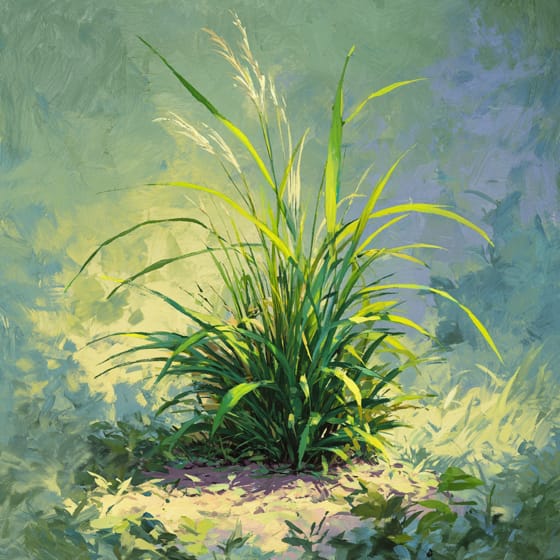
Poa pratensis
Steals nutrients from its roots.
Solidago canadensis
Attaches to the roots for extra resources.
Bombus impatiens
Bumblebees visit its unique flowers for nectar.
Flowering plants are any plants that produce flowers as part of their reproductive cycle.
Cluster flowers are inflorescences where individual flowers are arranged closely together on a common stem.
Shade tolerant plants are adapted to grow and thrive in areas with low light levels, requiring less direct sunlight.
Spring blooming plants produce their flowers during the spring season, often signifying the end of winter and the start of new growth.

Medicinal plants possess chemical compounds that can be used for therapeutic purposes to treat illnesses or maintain health.

Colorful describes organisms or objects displaying a wide range of bright and distinct colors.

Describes plants that are particularly attractive and beneficial to a wide range of pollinating organisms.

Forest habitats are terrestrial environments dominated by dense tree cover, supporting a high diversity of plant and animal life.

Describes a species whose presence and role have a disproportionately large effect on its environment.
No aliases listed yet.
Danger
1/5 · Very low
Do not pick the flowers; they are best enjoyed in nature.
The easiest way to identify Canadian lousewort is to use the Snappit nature identifier app.
10-50 cm
10-30 cm
1-2 cm
Late spring to early summer
No
None
Perennial
Zoom in to split clusters and explore where this object has been snapped.
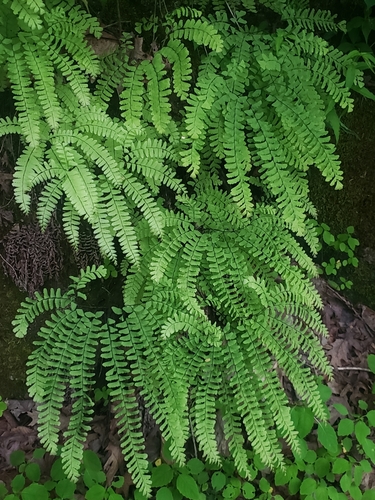
Iowa, US
You might spot Northern Maidenhair Fern and Wood Nettle.
View guide →

Illinois, US
You might spot Viceroy, Common Wood-Nymph, and Acadian Hairstreak.
View guide →

Pennsylvania, US
You might spot Painted Trillium, Eastern Newt, and Christmas Fern.
View guide →
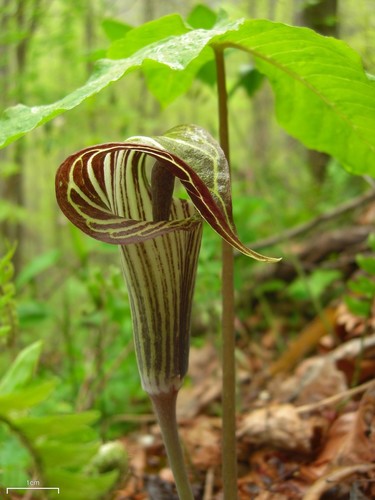
Kentucky, US
You might spot Jack-In-The-Pulpit and Prairie Trillium.
View guide →

Kentucky, US
You might spot Large White Trillium and Sharp-Lobed Hepatica.
View guide →

Kentucky, US
You might spot Pond Slider, Crane-Fly Orchid, and Bloodroot.
View guide →
Take the discovery with you
Snap it with Snappit to identify it, learn what makes it special, and add the discovery to your collection.






.jpg&width=800)



_001.jpg&width=800)



