American Robin
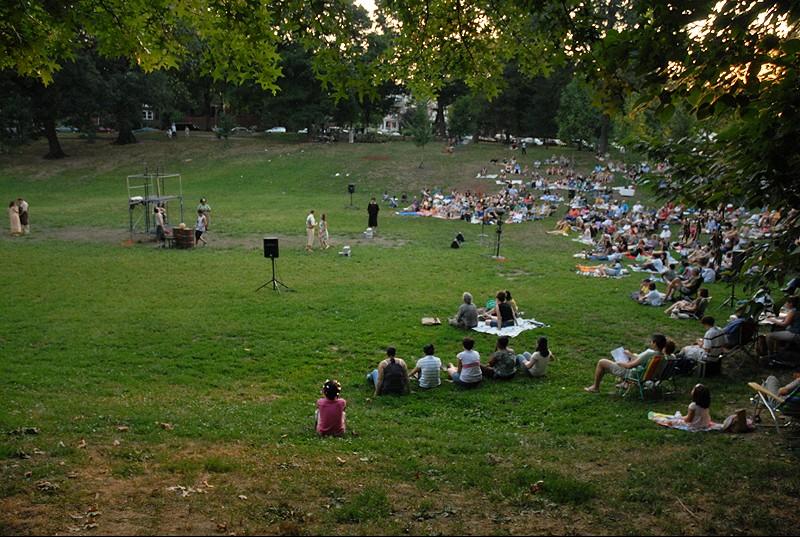
Clarence H. Clark Park is a verdant oasis nestled in the vibrant Spruce Hill neighborhood of West Philadelphia, offering a dynamic blend of nature and community spirit. This 9.1-acre municipal park, bordered by 43rd and 45th streets, and Baltimore and Woodland Avenues, serves as a cherished gathering spot for residents and visitors alike. It's a place where towering trees provide a refreshing canopy, expansive lawns invite relaxation, and the air often hums with the joyous sounds of play and lively events.
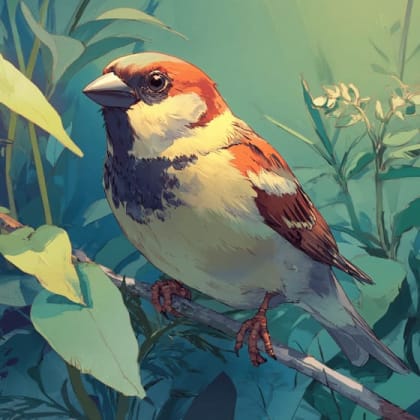
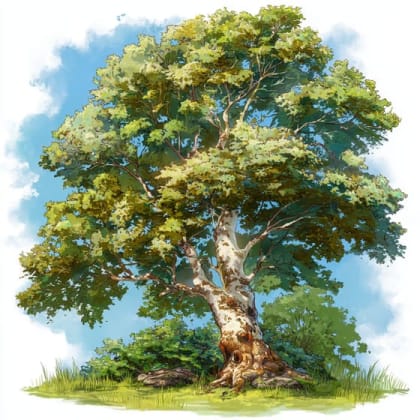
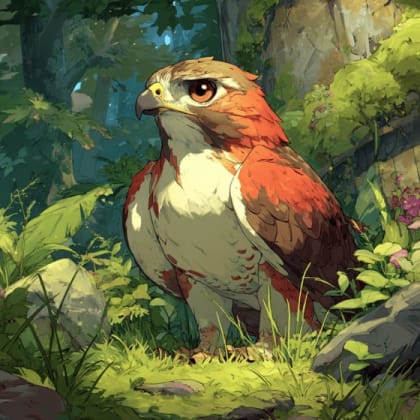
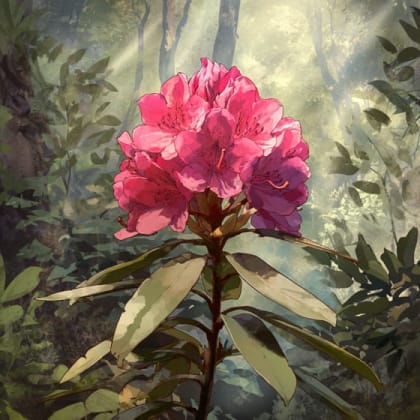
Beyond its role as a green sanctuary, Clark Park is a hub of activity and natural beauty. Stroll along its many paths and discover a variety of plant life, including the elegant Kentucky yellowwood, the blooming kousa dogwood, and the stately white oak. Keep an eye out for diverse bird species such as the American Robin, the ubiquitous House Sparrow, the striking European Starling, and the majestic Red-tailed Hawk soaring overhead. For those with a keen eye, the park's flora and fauna also include delicate star magnolias, the unique oriental paperbush, and the fascinating Reddish-brown Stag Beetle, adding layers of natural wonder to this urban park.
Whether you're seeking a peaceful retreat, an active community event, or a chance to observe urban wildlife, Clarence H. Clark Park offers a memorable experience. It’s a place where history intertwines with modern life, where children's laughter mixes with the rustling of leaves, and where the community truly thrives. The park's welcoming atmosphere and diverse offerings make it an essential stop for anyone exploring West Philadelphia. Be ready to snap and learn! Get the Snappit app to identify any nature species you find here.
Clarence H. Clark Park was established in 1895 on land donated to the city by prominent banker and West Philadelphia developer, Clarence Howard Clark. The land, which once encompassed a mill pond and later served as a public dump, was transformed into a dedicated municipal park, with a specific codicil from Clark that it be used in perpetuity as a park for children. Its northern section was dedicated on January 18, 1895, and the park reached its current 9.1-acre size with the addition of more land in 1898. Notably, during the American Civil War, a portion of the future parkland was occupied by Satterlee Hospital, one of the Union Army's largest hospitals, treating some 60,000 soldiers. A monument commemorating Satterlee Hospital, featuring a stone from the Gettysburg Battlefield, was erected in 1916 near the park's northwestern corner. Throughout its history, Clark Park has seen periods of both vibrancy and decline. After improvements in the 1960s, it deteriorated for decades until neighbors, non-profits, and the city's recreation department collaborated to revitalize it. Today, the Friends of Clark Park, an all-volunteer organization, works in partnership with Philadelphia Parks & Recreation to maintain the park, with a city-approved plan for further rejuvenation, including nature-based playgrounds and a permanent bathroom.
Attend the Saturday Farmers' Market for fresh local products.
Catch a free outdoor production by Shakespeare in Clark Park during the summer.
Enjoy a picnic on the expansive lawns.
Let your dog play off-leash in the "Dog Bowl."
Observe local birdlife like American Robins, European Starlings, and Red-tailed Hawks.
Explore the various paths and admire the diverse tree species like American sycamore and American sweetgum.
Participate in community events like the Uhuru Flea Market or Party in the Park.
Spring: Witness the blooming of kousa dogwood, star magnolia, and oakleaf hydrangea. Bird activity increases.
Summer: Enjoy Shakespeare in Clark Park performances, Movies in Clark Park, and the full vibrancy of the farmers' market. Keep an eye out for Eastern Cicada-killer Wasps and Spotted Lanternflies.
Autumn: Attend events like Parktoberfest and Bark in the Park. The foliage of American sweetgum and white oak offers beautiful colors.
Winter: The farmers' market continues year-round. The park offers a quieter, serene atmosphere.
The park includes paths and playgrounds. Recent plans for rejuvenation include a permanent, ADA-accessible bathroom.
A life-sized 1890 sculpture, one of only three known statues of the author, featuring Dickens and Nell Trent from "The Old Curiosity Shop."
A sunken green space, once a historic mill pond, that has become a beloved social spot for dogs and their owners.
A monument commemorating Satterlee Hospital and the Union soldiers treated there during the Civil War.
Philadelphia's largest year-round farmers' market, held every Saturday from 10 AM to 2 PM, rain or shine, offering a wide array of local produce and goods.
Each card links to a full Explore page with photos, traits, and fun facts.
Start with the big picture, then zoom in to explore individual wildlife observations around this place.
Visit the Farmers' Market
Plan your visit for a Saturday between 10 AM and 2 PM to experience the bustling year-round farmers' market for fresh produce and local goods.
Bring a blanket or chairs for events
If you're attending Shakespeare in Clark Park or Movies in Clark Park, a blanket or portable chairs will enhance your comfort.
Explore the "Dog Bowl"
If you're a dog owner, or just enjoy watching happy pups, head to the sunken "Dog Bowl" area for lively off-leash play.
Look for the Dickens Statue
Don't miss the unique Charles Dickens and Little Nell sculpture, a significant landmark within the park.
Utilize public transportation or walk
Parking can sometimes be limited in the surrounding urban area, so consider walking, biking, or taking public transport to the park.
Pack a picnic
With ample green space, Clark Park is an ideal spot for a leisurely picnic, especially with fresh finds from the farmers' market.
Jan 19, 2026
Jan 18, 2026
Jan 17, 2026
Jan 14, 2026
Jan 13, 2026

Maryland, US
You might spot White-Tailed Deer and Eastern Gray Squirrel.
View guide →
.jpg)
District of Columbia, US
You might spot Eastern Gray Squirrel, Duck, and House Sparrow.
View guide →

Illinois, US
You might spot American Robin, Canada Goose, and House Sparrow.
View guide →

Virginia, US
You might spot Spotted Lanternfly and Northern Cardinal.
View guide →
Take the discovery with you
Identify the wildlife you spot, learn as you go, and keep a collection of the adventure.