




Vulture
Cathartes aura
Vultures are large birds with bald heads that help keep the environment clean by eating animals that have died. They have excellent eyesight and can soar high in the sky for hours without flapping their wings.
Habitat: Various habitats including forests, grasslands, and deserts
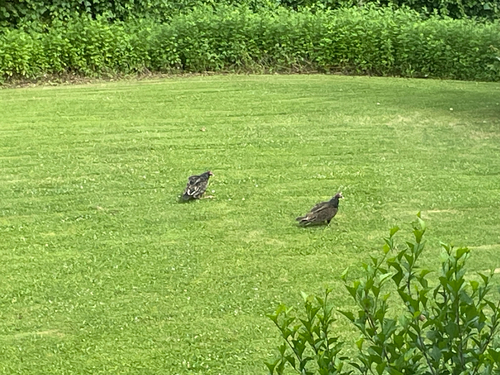
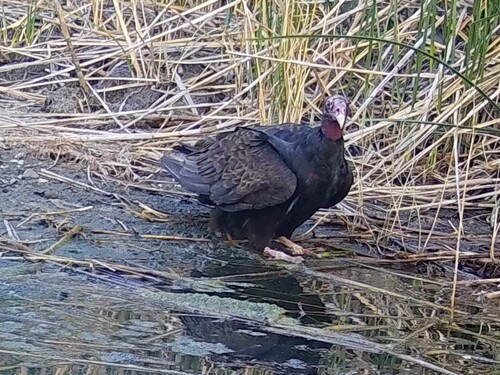
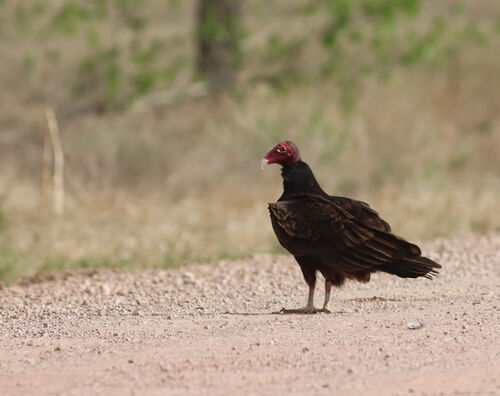
The Vulture has mostly dark brown or black feathers, often with a bare, wrinkled head and neck that can be red, grey, or black. Its strong hooked beak is perfect for tearing, distinguishing it from most other large birds.
Category
BirdsRarity
Common
Danger
1/5 · Very low
Snaps
319
Many vultures fly thousands of miles to warmer places for winter.
Some vultures "pee" on their legs to cool down when it's super hot.
They sometimes vomit foul-smelling food to scare away predators!
Vultures don't have voice boxes; they communicate with hisses and grunts!
Vulture can smell decaying animals from miles away because of its incredible sense of smell, helping it find food.
Vulture has super strong stomach acid that kills dangerous bacteria in rotten meat, keeping it healthy.
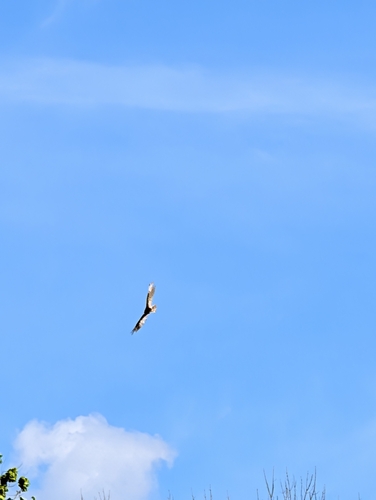
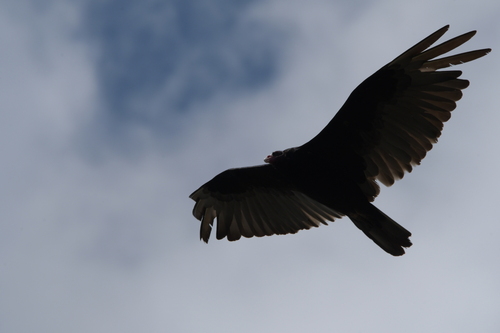
Vulture can soar high in the sky for hours without flapping because it uses rising warm air currents.
Vultures are nature's clean-up crew, eating mostly dead animals to keep ecosystems healthy.
Wildlife encompasses all undomesticated animal and plant life existing in their natural habitats.
Feathered describes animals, primarily birds, possessing a covering of feathers.
Aerial creatures spend a significant portion of their lives airborne, utilizing flight for various activities such as hunting, migration, or nesting.
Scavengers consume dead organic matter, helping to decompose carcasses and other waste in the ecosystem.
Gliding animals move through the air by launching themselves and maintaining flight with specialized body structures, without flapping wings.

Forest habitats are terrestrial environments dominated by dense tree cover, supporting a high diversity of plant and animal life.

This trait identifies organisms whose diet consists entirely or primarily of animal tissue.
Danger
1/5 · Very low
Vultures are not dangerous to humans but should be observed from a distance to avoid disturbing them.
The easiest way to identify Vulture is to use the Snappit nature identifier app.
55-100 cm
130-200 cm
0.8-3.5 kg
15-30 years
70 km/h
Vultures are nature's clean-up crew, eating mostly dead animals to keep ecosystems healthy.
Various habitats including forests, grasslands, and deserts
Zoom in to split clusters and explore where this object has been snapped.
Jun 15, 2026
Shenipsit TrailPhoto attribution
(c) Bobby McCabe, some rights reserved (CC BY)
License: CC BY 4.0 ↗
Image may be shown cropped inside the card frame.
Jun 7, 2026
Bowman's Hill Wildflower PreservePhoto attribution
(c) Fives, some rights reserved (CC BY)
License: CC BY 4.0 ↗
Image may be shown cropped inside the card frame.
Jun 7, 2026
Las Vegas High School Neighborhood Historic DistrictPhoto attribution
(c) Katrina Smith, some rights reserved (CC BY)
License: CC BY 4.0 ↗
Image may be shown cropped inside the card frame.
May 28, 2026
Folsom City Zoo SanctuaryPhoto attribution
(c) Hawk T., some rights reserved (CC BY)
License: CC BY 4.0 ↗
Image may be shown cropped inside the card frame.
May 14, 2026
Dawes County CourthousePhoto attribution
(c) hr_dragonfly, some rights reserved (CC BY)
License: CC BY 4.0 ↗
Image may be shown cropped inside the card frame.

New York, US
You might spot Sundial Lupine, Spotted Horsemint, and New Jersey Tea.
View guide →

Ohio, US
You might spot Eastern Fox Squirrel and Spotted Lanternfly.
View guide →

Tennessee, US
You might spot House Sparrow, Northern Mockingbird, and Gulf Fritillary.
View guide →
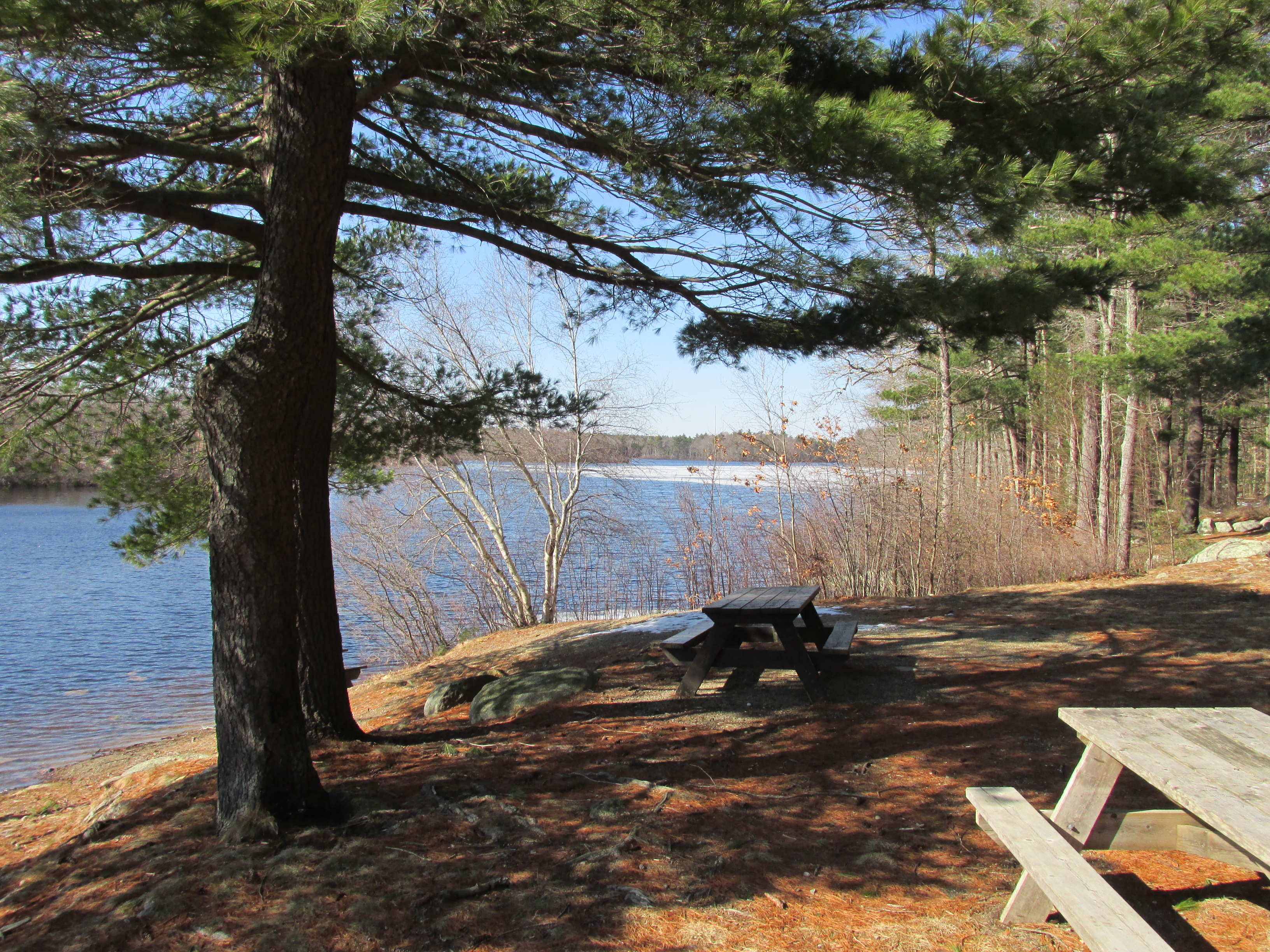
Massachusetts, US
You might spot Eastern White Pine and Common Eastern Bumble Bee.
View guide →

California, US
You might spot Redwood Sorrel, Redwood, and Button's Banana Slug.
View guide →

California, US
You might spot Western Fence Lizard and California Brittlebush.
View guide →
Take the discovery with you
Snap it with Snappit to identify it, learn what makes it special, and add the discovery to your collection.





.jpg&width=800)








