





Marbled Godwit
Limosa fedoa
The Marbled Godwit is a tall, long-legged bird with a beautiful, patterned body. It loves to wade in shallow waters looking for yummy snacks like worms and insects.
Habitat: Coastal areas
The Marbled Godwit has long bluish-gray legs and a striking pinkish-orange bill with a dark tip that curves slightly upwards. Its body plumage is mottled brown and buff, creating a distinct marbled pattern which helps it blend into marshy environments.
Category
BirdsRarity
Common
Danger
1/5 · Very low
Snaps
8
Godwit chicks can walk and feed themselves just hours after hatching!
Marbled Godwits communicate with 'god-wit' calls, giving them their name!
Their long, upturned bill is perfect for probing deep into soft mud!
They nest in a simple scrape on the ground, often hidden by tall grass.
Marbled Godwit can feel buried worms with its sensitive bill because of nerve endings that help them detect hidden prey.
Marbled Godwit has long legs that help them wade into deeper water without getting their bodies wet to find food.
Marbled Godwit can fly thousands of kilometers non-stop because of strong wings that help them reach distant wintering grounds.
They probe muddy wetlands and coasts, using their long bills to find worms, insects, and tiny shellfish.
Arenicola marina
A common prey item found in muddy substrates.
Palaemonetes pugio
Small crustaceans often foraged in shallow waters.
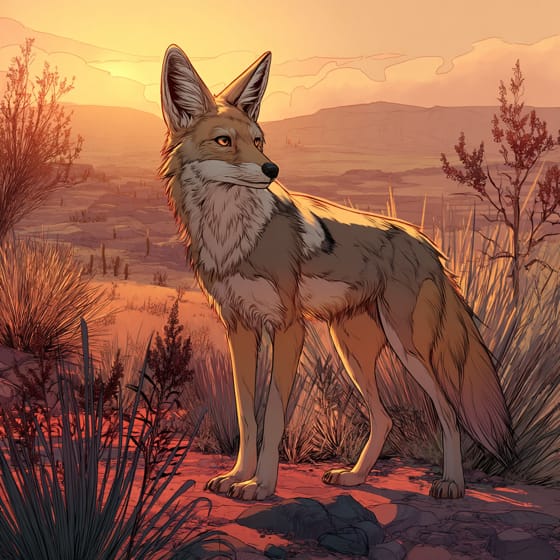
Canis latrans
Can prey on eggs, chicks, or adult godwits.
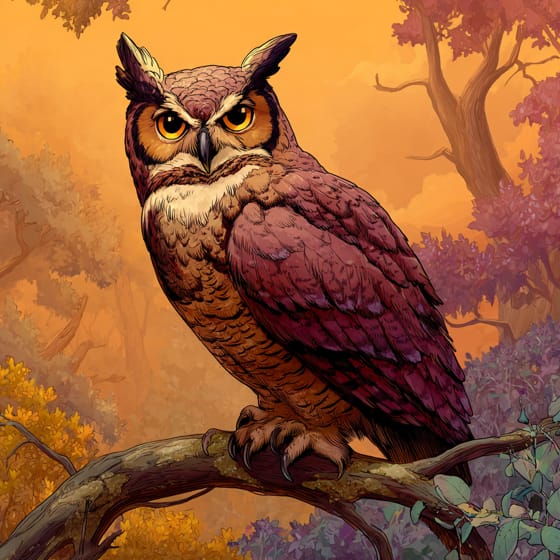
Bubo virginianus
A nocturnal raptor that preys on various birds.
Feathered describes animals, primarily birds, possessing a covering of feathers.
Social animals live in organized groups, cooperating for survival benefits such as foraging, defense, and raising offspring.
Camouflaged describes organisms that possess coloring or patterns that allow them to blend into their environment.
This trait identifies organisms whose diet primarily consists of insects and other small invertebrates.

Coastal habitats are dynamic environments located along the interface between land and sea, influenced by tides, waves, and saltwater.

Diurnal animals are primarily active during daylight hours, typically resting or sleeping at night.

This trait identifies organisms that exhibit exceptional swiftness in movement for hunting, escape, or travel.

Migratory animals undertake seasonal movements from one region to another, typically in response to changes in climate or food availability.

Threatened status denotes a species likely to become endangered in the foreseeable future without effective conservation interventions.
No aliases listed yet.
Danger
1/5 · Very low
Always watch birds from a distance and be quiet so you don't scare them away.
The easiest way to identify Marbled Godwit is to use the Snappit nature identifier app.
40-50 cm
70-80 cm
0.25-0.45 kg
5-13 years
60 km/h
They probe muddy wetlands and coasts, using their long bills to find worms, insects, and tiny shellfish.
Coastal areas
Zoom in to split clusters and explore where this object has been snapped.
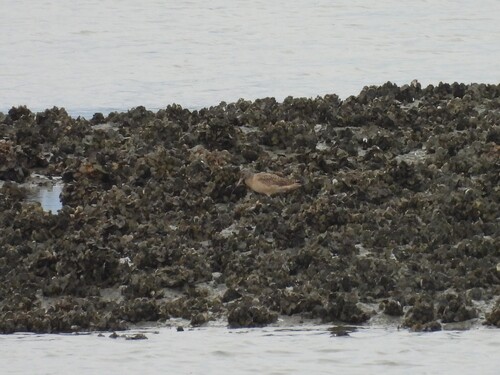
Jan 11, 2026
Cedar Key Scrub State ReservePhoto attribution
(c) Josiah Londerée, some rights reserved (CC BY)
License: CC BY 4.0 ↗
Image may be shown cropped inside the card frame.
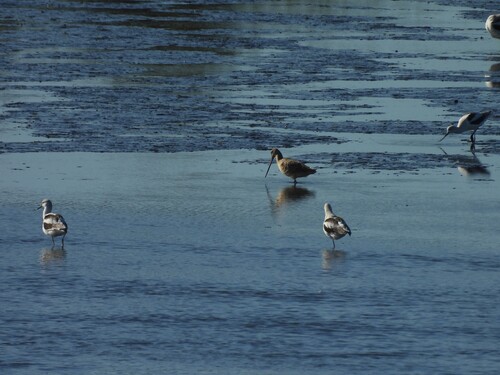
Jan 10, 2026
Cedar Key Scrub State ReservePhoto attribution
(c) Josiah Londerée, some rights reserved (CC BY)
License: CC BY 4.0 ↗
Image may be shown cropped inside the card frame.

California, US
You might spot Snowy Egret, Great Blue Heron, and Willet.
View guide →

California, US
You might spot Snowy Egret, Great Blue Heron, and Western Gull.
View guide →

Florida, US
You might spot Eastern Redcedar, Fetterbush Lyonia, and Virginia Creeper.
View guide →

California, US
You might spot Great Egret, Acorn Woodpecker, and Great Blue Heron.
View guide →

California, US
You might spot Western Gull, Snowy Egret, and Great Blue Heron.
View guide →

California, US
You might spot Western Gull, Snowy Egret, and Great Blue Heron.
View guide →
Take the discovery with you
Snap it with Snappit to identify it, learn what makes it special, and add the discovery to your collection.




.jpg&width=800)








