





American White Pelican
Pelecanus erythrorhynchos
The American White Pelican is a large, beautiful bird with a long bill and big wings. They love to glide over lakes and catch fish with their special beaks. Watching them fly is like seeing a big, white cloud in the sky!
Habitat: Wetlands
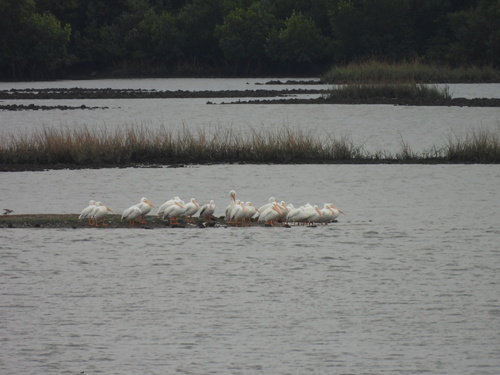
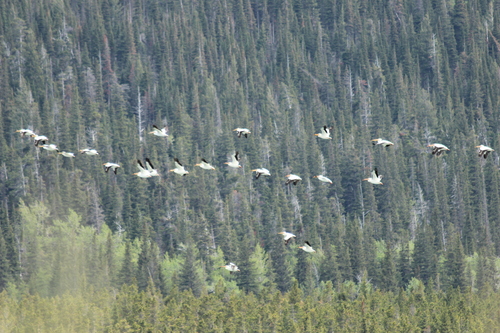
The American White Pelican is a very large, mostly brilliant white bird. It has distinctive black primary and secondary flight feathers that are only visible when its wings are spread in flight. Its most striking feature is a huge, flat orange-yellow bill with an expandable gular pouch.
Category
BirdsRarity
Common
Danger
1/5 · Very low
Snaps
50
A pelican's bill can grow a temporary 'horn' only during breeding season!
Their massive bill pouch can hold up to 11 liters of water!
These pelicans never dive for fish; they only scoop prey from the water's surface.
Young pelicans drink water directly from their parents' bills.
American White Pelicans can herd fish into circles because they work together, making it easier to scoop them up.
American White Pelicans have a massive throat pouch that can hold several gallons of water and fish, acting like a giant net.
American White Pelicans grow a unique, temporary horn on their bill during breeding season that helps attract mates.
American White Pelicans can soar effortlessly on warm air currents, saving energy to travel long distances.
These large birds are expert fish-eaters, scooping up their meals from the water's surface.
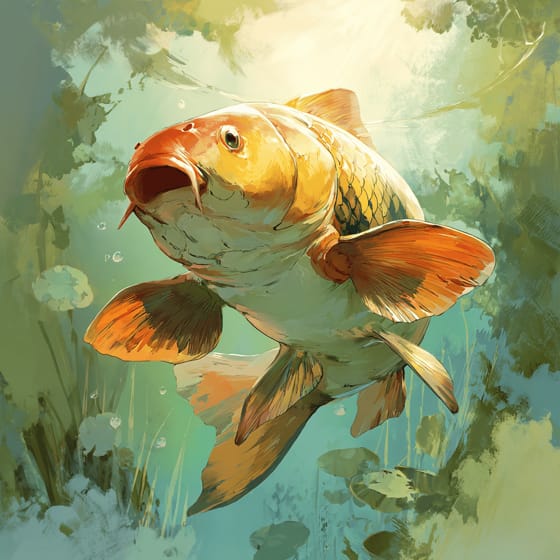
Cyprinus carpio
A common large fish scooped up by pelicans.
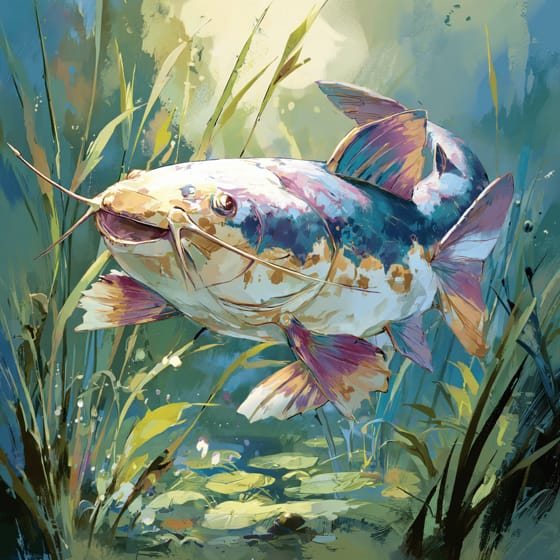
Ictalurus punctatus
Frequently consumed fish in their freshwater habitats.

Larus californicus
Gulls often steal food from pelicans, especially during nesting.
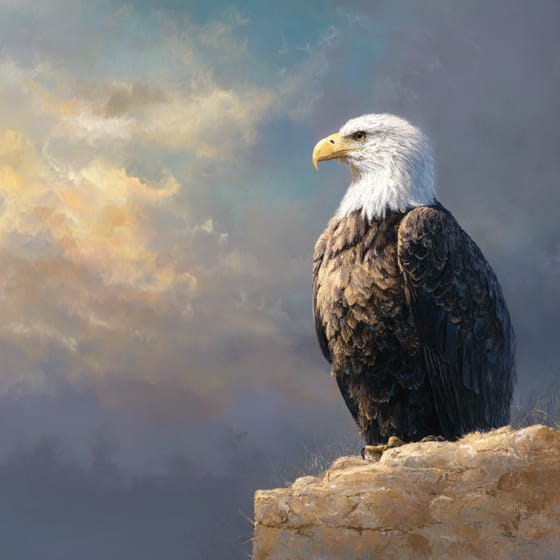
Haliaeetus leucocephalus
Eagles occasionally prey on pelican chicks or weak adults.
Feathered describes animals, primarily birds, possessing a covering of feathers.
Characterized by having toes connected by a membrane, typically aiding in swimming.
Social animals live in organized groups, cooperating for survival benefits such as foraging, defense, and raising offspring.
Filter feeders obtain nutrients by straining suspended food particles and small organisms from water.

Gliding animals move through the air by launching themselves and maintaining flight with specialized body structures, without flapping wings.

Piscivorous organisms are animals that primarily subsist on a diet of fish.

This habitat trait identifies species found in wetlands, which are areas of land saturated with water, either permanently or seasonally, including marshes, swamps, and bogs.

Describes a species whose presence and role have a disproportionately large effect on its environment.

Migratory animals undertake seasonal movements from one region to another, typically in response to changes in climate or food availability.
No aliases listed yet.
Danger
1/5 · Very low
Keep a safe distance and watch quietly so you don't scare the birds.
The easiest way to identify American White Pelican is to use the Snappit nature identifier app.
130-180 cm
240-300 cm
3.5-13.5 kg
10-17 years
56 km/h
These large birds are expert fish-eaters, scooping up their meals from the water's surface.
Wetlands
Zoom in to split clusters and explore where this object has been snapped.
May 16, 2026
Fort SupplyPhoto attribution
no rights reserved
License: CC0 1.0 ↗
Image may be shown cropped inside the card frame.
Jan 11, 2026
Cedar Key Scrub State ReservePhoto attribution
(c) Josiah Londerée, some rights reserved (CC BY)
License: CC BY 4.0 ↗
Image may be shown cropped inside the card frame.
Jul 8, 2025
Namur Historic DistrictPhoto attribution
(c) miel00, some rights reserved (CC BY)
License: CC BY 4.0 ↗
Image may be shown cropped inside the card frame.
Jun 17, 2022
Sherburne Ranger Station Historic DistrictPhoto attribution
(c) Romain Boisseau, some rights reserved (CC BY-SA)
License: CC BY-SA 4.0 ↗
Image may be shown cropped inside the card frame.

Alabama, US
You might spot Elf Orpine, Canada Goose, and Leatherleaf Mahonia.
View guide →

Georgia, US
You might spot Brown Anole, Anole, and Gulf Fritillary.
View guide →

California, US
You might spot Western Fence Lizard and Eastern Fox Squirrel.
View guide →

Illinois, US
You might spot Eastern Fox Squirrel, Amur Honeysuckle, and Poison Hemlock.
View guide →

Florida, US
You might spot White Ibis, Green Iguana, and Black-Crowned Night Heron.
View guide →

Alabama, US
You might spot Elf Orpine, Canada Goose, and Great Blue Heron.
View guide →
Take the discovery with you
Snap it with Snappit to identify it, learn what makes it special, and add the discovery to your collection.




.jpg&width=800)









