





American Avocet
Recurvirostra americana
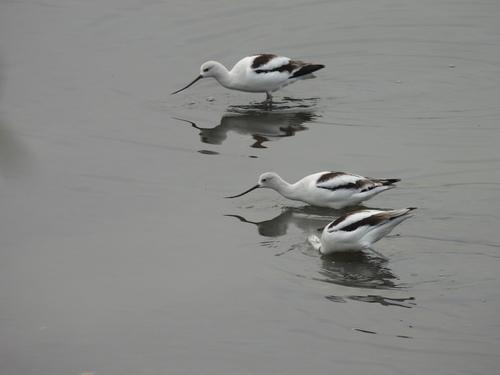
The American Avocet is a beautiful bird with long legs and a curved beak. They love to wade in shallow waters and are often seen in groups, making them fun to watch!
Habitat: Wetlands
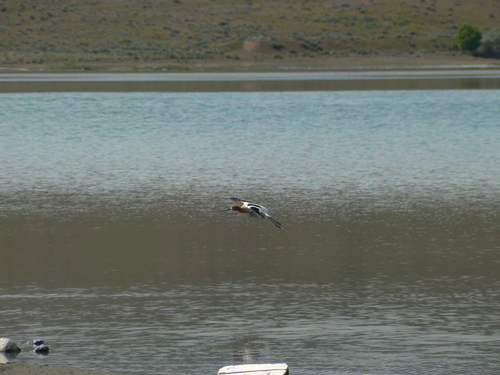
The American Avocet has a strikingly elegant appearance with a slender, distinctly upcurved black bill and super long, bluish-gray legs. Its body is primarily white with bold black and white wing patterns. During breeding season, its head and neck display a warm cinnamon color.
Category
BirdsRarity
Common
Danger
1/5 · Very low
Snaps
16
Avocet chicks can swim and even feed themselves just hours after hatching!
Both mom and dad avocets share duties incubating eggs and raising their young.
Sometimes, they spin in circles to stir up tiny food from the bottom of the water!
They often feed in groups, sweeping their bills in a synchronized 'dance'.
American Avocet can sweep its unique upcurved bill through water to filter-feed on tiny aquatic creatures because of its specialized shape.
American Avocet has super long blue-gray legs that help them wade into deeper waters than other shorebirds to find food safely.
American Avocet can change the color of its head and neck from cinnamon to pale gray, indicating breeding or non-breeding seasons.
They sweep their curved bills through shallow water to catch tiny insects, crustaceans, and small fish.
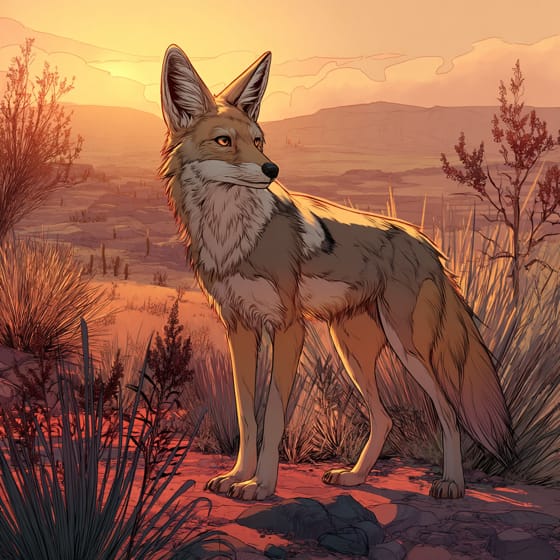
Canis latrans
Opportunistic predator of avocet eggs and chicks.

Larus californicus
Preys on eggs and young avocet chicks from nests.
Artemia franciscana
Sweeps up these tiny crustaceans in saline waters.
Ephydra hians
Consumes larvae and pupae of these flies from water.
Feathered describes animals, primarily birds, possessing a covering of feathers.
Characterized by having toes connected by a membrane, typically aiding in swimming.
Social animals live in organized groups, cooperating for survival benefits such as foraging, defense, and raising offspring.
Colorful describes organisms or objects displaying a wide range of bright and distinct colors.

Filter feeders obtain nutrients by straining suspended food particles and small organisms from water.

This trait identifies organisms whose diet primarily consists of insects and other small invertebrates.

This habitat trait identifies species found in wetlands, which are areas of land saturated with water, either permanently or seasonally, including marshes, swamps, and bogs.

Coastal habitats are dynamic environments located along the interface between land and sea, influenced by tides, waves, and saltwater.

Describes a species whose presence and role have a disproportionately large effect on its environment.

Migratory animals undertake seasonal movements from one region to another, typically in response to changes in climate or food availability.
No aliases listed yet.
Danger
1/5 · Very low
Always watch birds from a distance and be quiet so you don't scare them away.
The easiest way to identify American Avocet is to use the Snappit nature identifier app.
40-51 cm
68-76 cm
0.275-0.375 kg
5-15 years
50 km/h
They sweep their curved bills through shallow water to catch tiny insects, crustaceans, and small fish.
Wetlands
Zoom in to split clusters and explore where this object has been snapped.
May 1, 2026
Grand CouleePhoto attribution
(c) elik03, some rights reserved (CC BY)
License: CC BY 4.0 ↗
Image may be shown cropped inside the card frame.
Apr 23, 2026
ZooMontanaPhoto attribution
no rights reserved
License: CC0 1.0 ↗
Image may be shown cropped inside the card frame.
Jan 11, 2026
Cedar Key Scrub State ReservePhoto attribution
(c) Josiah Londerée, some rights reserved (CC BY)
License: CC BY 4.0 ↗
Image may be shown cropped inside the card frame.

California, US
You might spot American Avocet, Great Egret, and Snowy Egret.
View guide →

California, US
You might spot Greasewood, Osprey, and Alkali Fly.
View guide →
Nevada, US
You might spot African Lion, Tiger, and Zebra.
View guide →

Montana, US
You might spot Tiger, Grizzly Bear, and Red Panda.
View guide →

California, US
You might spot Duck, Black-Necked Stilt, and House Finch.
View guide →

California, US
You might spot Duck, Snowy Egret, and Black-Necked Stilt.
View guide →
Take the discovery with you
Snap it with Snappit to identify it, learn what makes it special, and add the discovery to your collection.




.jpg&width=800)








