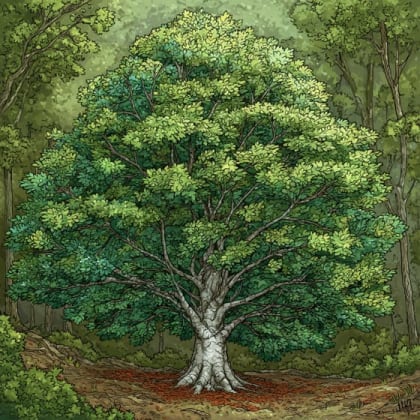
Eastern White Pine
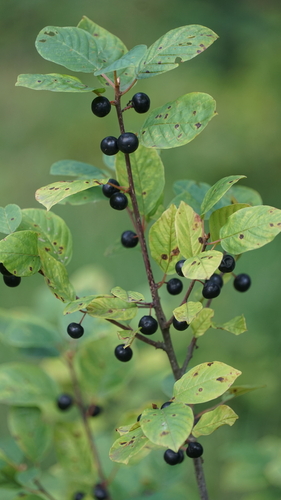
King Philip's Cave is a geological and historical gem in Norton, Massachusetts.
King Philip's Cave is a geological and historical gem in Norton, Massachusetts. This natural rock formation, steeped in colonial history and Native American legend, offers a unique blend of outdoor exploration and poignant reflection. It's a significant site where nature's ancient forces meet the dramatic narrative of King Philip's War, inviting visitors to step back in time and connect with a pivotal period in New England's past.
The main attraction is the "cave" itself, a fascinating formation of glacial erratics and pudding stone boulders, left behind by melting glaciers over 13,500 years ago, creating intriguing gaps and tunnels. Surrounding the cave are serene woodland trails, part of a 7-acre parcel preserved by the Land Preservation Society of Norton, where visitors can discover seasonal wildflowers, blueberry bushes, and elegant dogwood trees. A historical marker at the site provides essential context, sharing the story of Metacomet, also known as King Philip, and his connection to this hidden refuge.
Visiting King Philip's Cave offers a memorable journey into history and nature. It’s an accessible opportunity to explore a geological marvel and walk in the footsteps of a significant historical figure, all while enjoying the peaceful ambiance of a protected natural area. The combination of its powerful historical narrative, unique geological features, and tranquil woodland setting makes it a compelling destination for those seeking both education and outdoor enjoyment. Planning to visit? Download the Snappit app to identify the wildlife you spot in real-time.
King Philip's Cave is deeply rooted in the history of King Philip's War (1675-1676), one of the most devastating conflicts in early New England. The cave is named after Metacomet, the Wampanoag sachem known as "King Philip" by the English. Local legend and historical accounts suggest that Metacomet used this natural formation as a hiding place or a lookout point during the war, particularly near its end as he fled from colonial forces. This strategic retreat occurred before his eventual death in Bristol, Rhode Island. The geological formation itself dates back much further, formed approximately 13,500 years ago by glacial activity. Massive ice sheets deposited huge boulders, known as glacial erratics and pudding stone, which settled to create the natural gaps that form the "cave." Today, the site is preserved by the Land Preservation Society of Norton and recognized by the Norton Historical Commission, ensuring its historical and natural significance is maintained for future generations.
Explore the "cave" formation, walk the short circular woodland trails, and observe the surrounding natural flora like wildflowers, blueberry bushes, and dogwood trees. You can also sit and reflect at the memorial bench near the cave.
Spring: Enjoy blooming wildflowers and dogwood trees. Trails might be wet in areas due to seasonal streams.
Summer: Lush green foliage provides shade, and blueberry bushes may be fruiting.
Fall: Experience vibrant autumn leaf colors.
Winter: Trails may be icy or covered in snow, making access challenging.
The main trails leading to the cave are generally firm ground, but they do include tree roots and some elevation changes, which could pose a challenge for some visitors. Parking is limited at the immediate entrance on Stone Run Drive; parking on Plain Street and walking a short distance is encouraged.
The primary highlight is the unique glacial rock formation known as King Philip's Cave, a natural tunnel formed by massive boulders. Don't miss the historical marker, which provides crucial context about Metacomet and King Philip's War.
Each card links to a full Explore page with photos, traits, and fun facts.
Start with the big picture, then zoom in to explore individual wildlife observations around this place.
Wear appropriate footwear
Trails can have tree roots and uneven terrain, so comfortable walking shoes or hiking boots are recommended.
Consult historical markers
Take time to read the informational plaques at the site to fully appreciate the historical significance of King Philip's Cave.
Mind the parking
Parking is very limited on Stone Run Drive, so consider parking on Plain Street and walking the short distance to the entrance, especially during busy times.
Visit during daylight
Although accessible 24/7, visiting during daylight hours ensures better visibility for navigating trails and appreciating the site.
Leave no trace
Help preserve this historical and natural site by staying on marked trails and carrying out any trash.
Be aware of seasonal changes
The experience can vary greatly with the seasons, from blooming spring flowers to autumn foliage, and potentially wet or icy conditions in colder months.
May 31, 2026
May 31, 2026
May 31, 2026
May 31, 2026
May 31, 2026

Maryland, US
You might spot White-Tailed Deer and Eastern Gray Squirrel.
View guide →
.jpg)
District of Columbia, US
You might spot Eastern Gray Squirrel, Duck, and House Sparrow.
View guide →

Illinois, US
You might spot American Robin, Canada Goose, and House Sparrow.
View guide →

Virginia, US
You might spot Spotted Lanternfly and Northern Cardinal.
View guide →
Take the discovery with you
Identify the wildlife you spot, learn as you go, and keep a collection of the adventure.