





sassafras
Sassafras albidum
The sassafras tree is a special tree with unique leaves that can be shaped like mittens! It has a lovely smell, especially when you crush its leaves or bark.
Habitat: Forests
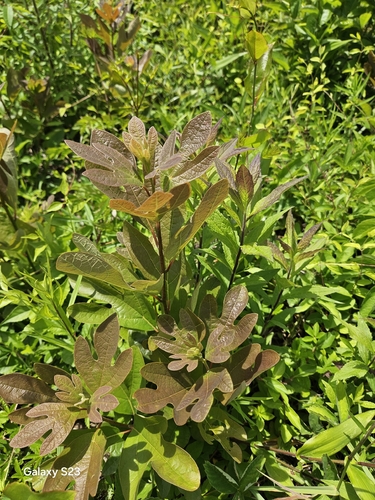
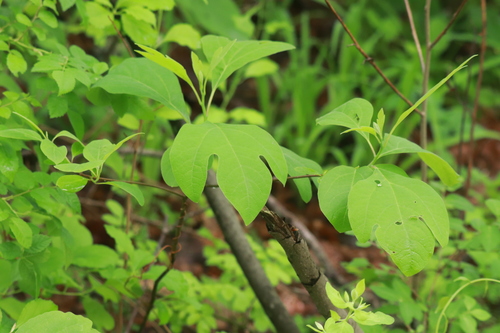
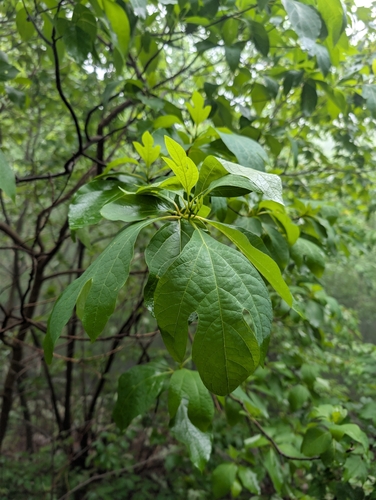
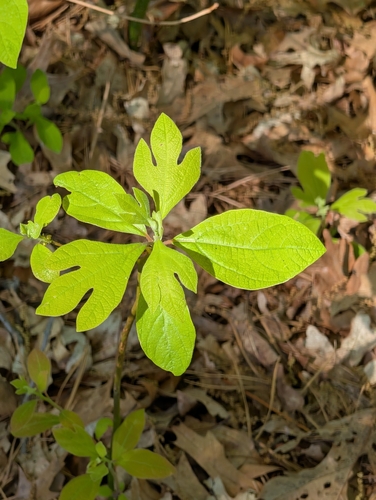
The sassafras has uniquely shaped leaves, often appearing as mittens, three-lobed 'ghosts,' or unlobed ovals, sometimes all on the same tree! Its bark is deeply furrowed and reddish-brown, while its small, yellow-green flowers bloom in spring before the leaves emerge.
Category
PlantsRarity
Common
Danger
2/5 · Low
Snaps
97
Before modern plastics, its durable wood was often used to build fence posts and even small boats!
Many birds love to feast on its shiny, dark blue berries, helping the tree spread its seeds!
Scratching a sassafras twig or bark smells like a delicious mix of root beer and citrus!
The sassafras tree is like a chameleon, often growing three different leaf shapes on the same branch!
Sassafras has leaves that grow in three distinct shapes (oval, mitten, three-lobed) to adapt to different light conditions.
The sassafras releases a spicy, citrusy scent from its bark, leaves, and roots to deter hungry browsers.
Sassafras can send up new shoots from its roots, forming a small grove to expand and survive.
Papilio troilus
Larvae feed on sassafras leaves
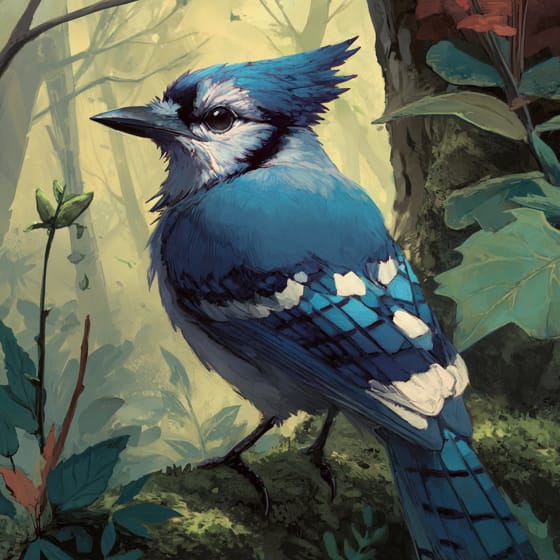
Cyanocitta cristata
Feeds on the dark blue berries

Bombus impatiens
Visits sassafras flowers for nectar
Ursus americanus
Consumes the tree's ripened berries
Aromatic plants produce and emit fragrant volatile organic compounds, often for defense or to attract pollinators.
Deciduous plants periodically shed all their leaves, typically during autumn or dry seasons.
Broadleaf trees are angiosperms characterized by flat, wide leaves that are typically shed annually in temperate climates.
Fragrant flowers emit a pleasant aroma, often to attract pollinators or for defense.

Edible plants are those parts of a plant that are considered safe for human consumption.

Fall color refers to the seasonal change in foliage pigmentation, primarily in deciduous plants, displaying vibrant hues.

Timber refers to wood that has been prepared for use in building and carpentry.

Forest habitats are terrestrial environments dominated by dense tree cover, supporting a high diversity of plant and animal life.
No aliases listed yet.
Danger
2/5 · Low
Do not eat any parts of the sassafras tree without asking an adult first.
The easiest way to identify sassafras is to use the Snappit nature identifier app.
900-3000 cm
600-1200 cm
0.5-1 cm
Spring
Yes
Mild
Perennial
Zoom in to split clusters and explore where this object has been snapped.
Jun 1, 2026
Ladew Topiary GardensPhoto attribution
no rights reserved
License: CC0 1.0 ↗
Image may be shown cropped inside the card frame.
May 25, 2026
East Granby Historic DistrictPhoto attribution
(c) Mark Apgar, some rights reserved (CC BY)
License: CC BY 4.0 ↗
Image may be shown cropped inside the card frame.
May 24, 2026
Catoctin FurnacePhoto attribution
(c) botanygirl, some rights reserved (CC BY)
License: CC BY 4.0 ↗
Image may be shown cropped inside the card frame.
May 20, 2026
Hamburg Bridge Historic DistrictPhoto attribution
no rights reserved
License: CC0 1.0 ↗
Image may be shown cropped inside the card frame.

New York, US
You might spot Sundial Lupine, Spotted Horsemint, and New Jersey Tea.
View guide →

Massachusetts, US
You might spot Eastern Cottontail and American Robin.
View guide →

Connecticut, US
You might spot Bold Jumping Spider and American Tuliptree.
View guide →
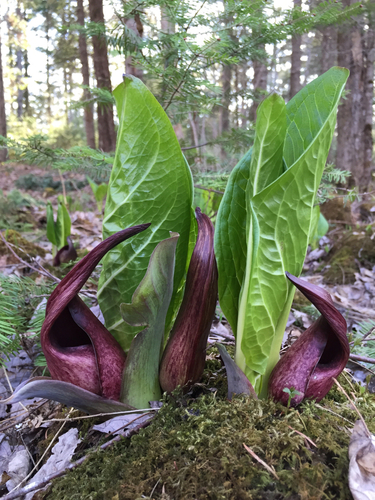
Connecticut, US
You might spot Eastern Skunk Cabbage and Eastern White Pine.
View guide →

New Jersey, US
You might spot Brant, Laughing Gull, and Great Black-Backed Gull.
View guide →

Maryland, US
You might spot American Cancer-Root and Rue Anemone.
View guide →
Take the discovery with you
Snap it with Snappit to identify it, learn what makes it special, and add the discovery to your collection.







.jpg&width=800)

_001.jpg&width=800)



