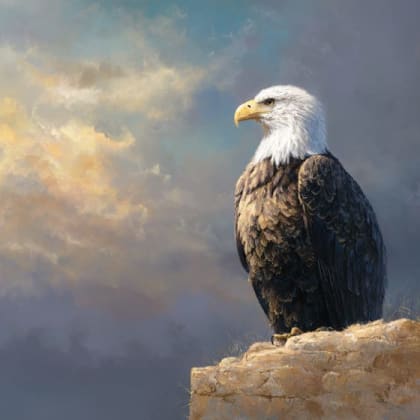





Bald Eagle

Lock and Dam No. 18 provides a unique encounter with engineering, history, and nature. This active lock and dam, part of the extensive 9-Foot Channel Navigation Project on the Upper Mississippi River, is a testament to early 20th-century infrastructure development, facilitating vital commercial and recreational river traffic. It stands as a gateway to understanding the river's ecological importance and its role in regional commerce, set against a backdrop of scenic riverine landscapes.
The venue truly shines during the winter months when its turbulent, ice-free waters attract an extraordinary congregation of Bald Eagles, often numbering in the hundreds, making it a premier birdwatching destination. Beyond the avian spectacle, the area offers prime fishing spots where anglers can pursue species like Walleye, Sauger, Crappie, and Channel Catfish. Observing the impressive lock operations as towboats and barges navigate the river is also a fascinating "exhibit" of ongoing river life.
Visiting Lock and Dam No. 18 offers a memorable experience, combining educational insights into river navigation and conservation with remarkable wildlife viewing and outdoor recreation. Whether you're captivated by the intricate mechanics of the lock system, the aerial prowess of a diving eagle, or simply the tranquil beauty of the Mississippi River, this site provides a rich and engaging outing for all ages. It's a place where history, industry, and the natural world harmoniously converge. Unlock an interactive field guide for this spot: get the Snappit app to identify nature on the go.
and engineering buffs * Families interested in educational outings * Photography
Observe the intricate process of barges locking through the dam.
* Bring binoculars and cameras for unparalleled eagle and birdwatching, especially during winter migration.
* Fish from designated areas for Walleye, Sauger, Crappie, and more.
* Explore nearby natural areas like Oquawka State Wildlife Refuge (adjacent to the complex) for additional wildlife and plant viewing.
Winter (Mid-Dec to early March): Peak Bald Eagle activity. Cold temperatures; dress warmly.
Spring/Fall: Good for migratory birds and various fish species. Weather can be variable.
Summer: Popular for boating and warm-weather fishing.
Information on specific public viewing area accessibility is limited. Access to the facility involves travel over farm roads and an earthen embankment. Visitors with mobility concerns should contact the U.S. Army Corps of Engineers, Rock Island District, for the most up-to-date accessibility information.
Witness hundreds of eagles converging for fishing in winter.
Watch commercial towboats and recreational vessels pass through the lock.
Enjoy panoramic views of the river and its floodplain.
Experience excellent angling opportunities for various fish species.
Each card links to a full Explore page with photos, traits, and fun facts.
Start with the big picture, then zoom in to explore individual wildlife observations around this place.
Bring Binoculars and Camera
Essential for optimal Bald Eagle viewing and capturing wildlife and river scenes.
Dress in Layers
Especially during winter, temperatures can be very cold due to wind off the river.
Check River Conditions
If planning to boat or fish, consult U.S. Army Corps of Engineers resources for current river and lock conditions.
Practice Safety near the Dam
Observe all posted signs and maintain a safe distance from restricted areas, especially if fishing or boating.
Explore Nearby Refuges
Consider visiting the adjacent Oquawka State Wildlife Refuge for additional nature exploration.
Pack Snacks and Drinks
While it's a "park," amenities might be limited depending on the exact viewing spot.
Jan 3, 2026
Jan 3, 2026
Jan 3, 2026
Jan 3, 2026
Jan 3, 2026

Maryland, US
You might spot White-Tailed Deer and Eastern Gray Squirrel.
View guide →
.jpg)
District of Columbia, US
You might spot Eastern Gray Squirrel, Duck, and House Sparrow.
View guide →

Illinois, US
You might spot American Robin, Canada Goose, and House Sparrow.
View guide →

Virginia, US
You might spot Spotted Lanternfly and Northern Cardinal.
View guide →
Take the discovery with you
Identify the wildlife you spot, learn as you go, and keep a collection of the adventure.











