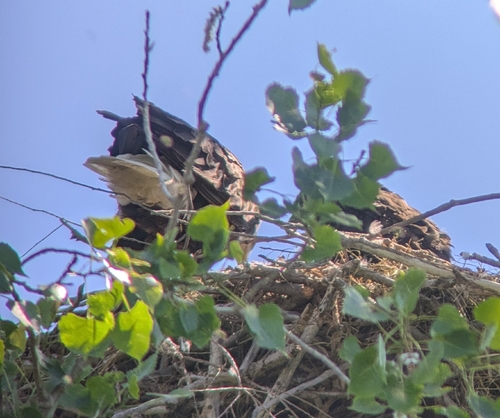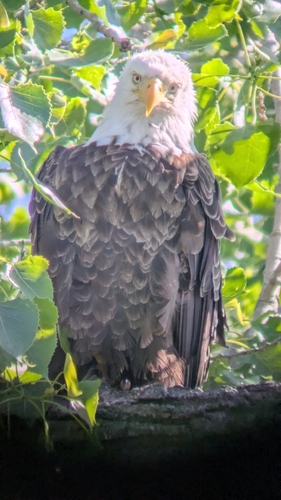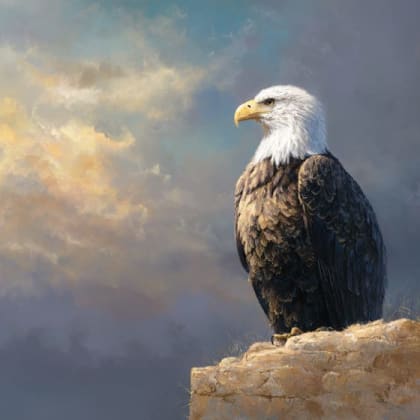





Bald Eagle

Magee Marsh Wildlife Area is a birder's paradise, especially during migration.
Magee Marsh Wildlife Area is a birder's paradise, especially during migration. This renowned wildlife area, nestled along the shores of Lake Erie in Ohio, offers an unparalleled opportunity to witness the spectacular spring and fall migrations of countless bird species. Managed by the Ohio Department of Natural Resources (ODNR), it serves as a critical stopover point for Neotropical migrants, making it a world-class destination for birdwatchers, nature photographers, and outdoor enthusiasts seeking to connect with diverse avian life in a protected wetland habitat.
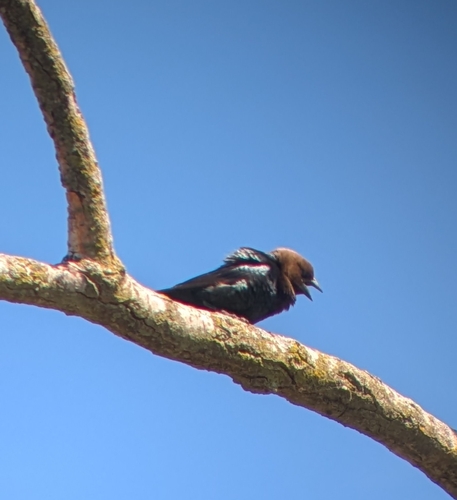
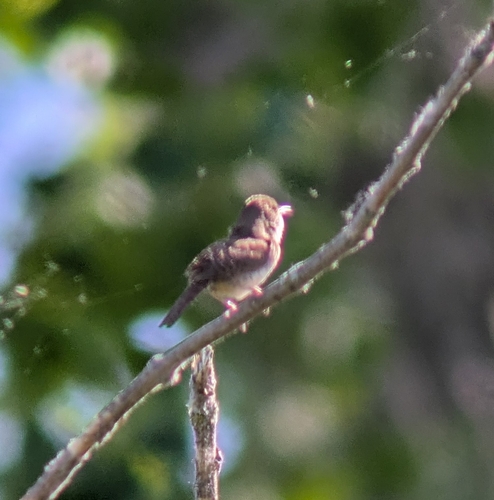
The crown jewel of Magee Marsh is undoubtedly the world-famous "Boardwalk," an elevated accessible pathway that winds through the prime migratory bird habitat, offering up-close views of warblers, vireos, tanagers, and other colorful songbirds. Beyond the Boardwalk, visitors can explore various trails and observation decks, including those at the Sportsmen's Migratory Bird Center and the Ottawa National Wildlife Refuge, which borders Magee Marsh. These areas provide diverse ecosystems, from dense woodlands to open marshes, supporting a rich array of waterfowl, raptors, and resident wildlife like white-tailed deer and muskrats.
Visiting Magee Marsh is an immersive experience that blends education with breathtaking natural beauty. It's a place where every turn can reveal a new feathered marvel, from the vibrant hues of a Blackburnian Warbler to the stealthy movements of a Great Blue Heron. Whether you're a seasoned birder with a long lens or a curious beginner with binoculars, the sheer abundance and accessibility of wildlife make it an unforgettable destination, fostering a deeper appreciation for conservation and the delicate balance of wetland ecosystems. Enhance your adventure: download the Snappit app to identify the local species you encounter.
The history of Magee Marsh Wildlife Area is rooted in its natural significance as a vital wetland on the Lake Erie coast. Initially, much of the land was privately owned and used for hunting and agriculture. However, recognizing its critical role as a migratory bird habitat, the state of Ohio began acquiring parcels of land in the mid-20th century to protect and manage these valuable wetlands. Over the decades, through strategic land acquisition and dedicated conservation efforts by the Ohio Department of Natural Resources, the area was developed into the public wildlife area it is today. The construction of the now-iconic Boardwalk and the establishment of the Sportsmen's Migratory Bird Center further cemented its status as a premier birdwatching destination, particularly famous for its role in the "Biggest Week in American Birding" festival.
Birdwatching, nature photography, hiking, wildlife viewing (white-tailed deer, muskrats, turtles), and enjoying scenic marsh landscapes.
Spring (late April-May): Peak warbler migration, vibrant colors, high bird diversity. Can be crowded.
Summer (June-August): Fewer migratory birds, but good for resident species, nesting birds, and waterfowl with young. Mosquitoes can be prevalent.
Fall (September-October): Fall migration for raptors, waterfowl, and some songbirds. Cooler temperatures.
Winter (November-March): Good for wintering waterfowl, raptors (like Bald Eagles), and some hardy songbirds. Can be cold and icy.
The Magee Marsh Boardwalk is notably wheelchair-accessible, providing an excellent experience for visitors with mobility challenges. The Sportsmen's Migratory Bird Center is also accessible.
The most famous feature, offering unparalleled, close-up views of migratory songbirds.
Provides educational exhibits, a gift shop, restrooms, and observation windows overlooking marsh habitat.
Offers additional trails, auto tours, and diverse habitats for birding and wildlife viewing.
Throughout the marsh for exploring different habitats.
Each card links to a full Explore page with photos, traits, and fun facts.
Start with the big picture, then zoom in to explore individual wildlife observations around this place.
Arrive Early
During peak migration, the Boardwalk and parking lots can fill up quickly. Arriving at dawn or shortly after maximizes bird activity and avoids crowds.
Bring Binoculars and a Camera
These are essential for enhancing your birdwatching and photography experience. A good field guide is also helpful.
Dress in Layers
Weather near Lake Erie can change rapidly. Be prepared for cooler temperatures, wind, and rain, even on sunny days.
Wear Comfortable Shoes
While the Boardwalk is paved, if you venture onto other trails or dike roads, comfortable walking shoes are a must.
Be Patient and Observe Quietly
Birds are easily spooked. Moving slowly and quietly will increase your chances of spotting and photographing them.
Visit the Sportsmen's Migratory Bird Center: It offers restrooms, educational displays, and a gift shop, making it a good base for your visit.
Jun 2, 2026
Photo attribution
no rights reserved
License: CC0 1.0 ↗
Image may be shown cropped inside the card frame.
Jun 2, 2026
Photo attribution
no rights reserved
License: CC0 1.0 ↗
Image may be shown cropped inside the card frame.
Jun 2, 2026
Photo attribution
no rights reserved
License: CC0 1.0 ↗
Image may be shown cropped inside the card frame.
Jun 2, 2026
Photo attribution
no rights reserved
License: CC0 1.0 ↗
Image may be shown cropped inside the card frame.
Jun 2, 2026
Photo attribution
no rights reserved
License: CC0 1.0 ↗
Image may be shown cropped inside the card frame.

Maryland, US
You might spot White-Tailed Deer and Eastern Gray Squirrel.
View guide →
.jpg)
District of Columbia, US
You might spot Eastern Gray Squirrel, Duck, and House Sparrow.
View guide →

Illinois, US
You might spot American Robin, Canada Goose, and House Sparrow.
View guide →

Virginia, US
You might spot Spotted Lanternfly and Northern Cardinal.
View guide →
Take the discovery with you
Identify the wildlife you spot, learn as you go, and keep a collection of the adventure.