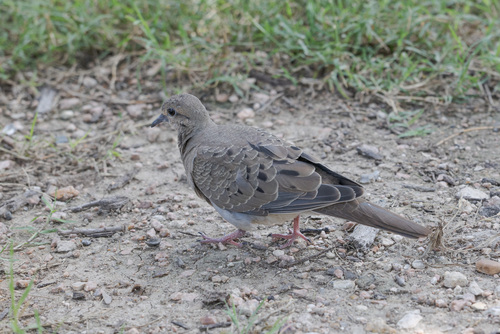





Anole

Oakwood Cemetery offers a profound journey through Austin's layered past.
Oakwood Cemetery offers a profound journey through Austin's layered past.
Established in 1839, Oakwood Cemetery is Austin's oldest municipal burial ground, a sprawling 40-acre landscape holding over 23,000 burials that tell the story of the city's diverse heritage. This historic site, originally known as City Cemetery, serves not just as a final resting place but as a living museum, a recorded Texas Historic Landmark, and a National Register of Historic Places site. It encapsulates centuries of Austin's history, reflecting societal changes, struggles, and triumphs through its varied monuments and meticulously preserved grounds.
Visitors can explore a rich tapestry of history, from the solemn beauty of the Gothic Revival Oakwood Cemetery Chapel, which now serves as a visitor center, to the poignant Historic Colored Grounds, a testament to the city's segregated past. Wander among the graves of Texas pioneers, governors, and cultural icons, each marker a unique piece of art and a window into the lives of those who shaped Austin. The cemetery also features distinct sections, including two Jewish burial grounds, and a variety of monument styles ranging from simple stones to elaborate mausoleums, obelisks, and angelic sculptures, showcasing diverse craftsmanship and historical trends.
More than just a cemetery, Oakwood is a serene, contemplative space perfect for reflection, historical exploration, and photography. It invites guests to connect with Austin's roots, offering self-guided tours that bring to life the stories of its inhabitants and the city itself. Whether you're a history enthusiast, a genealogist, or simply seeking a peaceful retreat amidst historical significance, Oakwood Cemetery provides a unique and moving experience, revealing the legacies etched in stone and landscape. Take the ultimate field guide with you: use the Snappit app to identify birds, plants, and animals on your trip.
Oakwood Cemetery, originally named City Cemetery, was established in 1839, the same year Austin was founded as the capital of the Republic of Texas. Its very first reported burial was that of an enslaved African American man, highlighting its deep historical roots and complex beginnings. The oldest standing monument commemorates two individuals killed in a Comanche attack in 1842. The cemetery became the city's official burial ground in 1856 and was renamed Oakwood in 1907. The cemetery's layout historically reflected the societal divisions of its time, featuring segregated sections for various racial and socioeconomic groups, including the significant "Historic Colored Grounds" and distinct Jewish sections. Over the decades, it grew to 40 acres, including an annex added across Comal Street in 1914. The Gothic Revival Oakwood Cemetery Chapel, designed by Charles Page, was constructed in 1914 as a mortuary chapel and has since been beautifully restored to serve as a visitor center and educational space, helping to tell the stories of those interred within its historic grounds.
Engage with the interactive digital maps available online or in print at the visitor center to locate specific gravesites. Explore the different sections, observing the varied architecture of headstones and mausoleums. Visit the Oakwood Chapel for exhibits on Austin's history and the lives of those buried there. Take time for quiet reflection amidst the historic trees and serene pathways. Self-guided tours are available, and Save Austin's Cemeteries hosts seasonal tours.
Spring brings lush greenery and comfortable temperatures, often coinciding with special historical tours offered by organizations like Save Austin's Cemeteries. Fall offers cooler weather and a serene ambiance. Summers can be very hot in Texas, so visitors should plan accordingly with water and sun protection.
The City of Austin is committed to ADA compliance, and reasonable modifications and equal access to communications are provided upon request. While specific details on paved trails throughout the entire 40 acres are not extensively detailed, the primary pathways and access to the Chapel are generally accessible.
The beautifully restored Oakwood Cemetery Chapel, the poignant Historic Colored Grounds, the diverse array of historic monuments and grave markers showcasing different eras and artistic styles, and the burial sites of notable Texans.
Each card links to a full Explore page with photos, traits, and fun facts.
Start with the big picture, then zoom in to explore individual wildlife observations around this place.
Wear comfortable shoes
The cemetery covers 40 acres, so you'll be doing a lot of walking on varied terrain.
Bring water, especially in warmer months: Texas summers can be intensely hot.
Utilize the Chapel's resources
The Oakwood Chapel serves as an excellent starting point, offering maps and information to enhance your visit.
Explore the diverse sections
Don't miss the Historic Colored Grounds for a poignant look at a significant part of Austin's history, and observe the architectural differences in the various sections, including the Jewish burial grounds.
Look for historical markers
Many gravesites have markers providing details about the person's life and contributions.
Parking is available
Enjoy free street parking around the cemetery.
Jun 6, 2026
Photo attribution
(c) Victor Engel, some rights reserved (CC BY)
License: CC BY 4.0 ↗
Image may be shown cropped inside the card frame.
Jun 6, 2026
Photo attribution
(c) Victor Engel, some rights reserved (CC BY)
License: CC BY 4.0 ↗
Image may be shown cropped inside the card frame.
Jun 7, 2026
Jun 6, 2026
Jun 6, 2026

Maryland, US
You might spot White-Tailed Deer and Eastern Gray Squirrel.
View guide →
.jpg)
District of Columbia, US
You might spot Eastern Gray Squirrel, Duck, and House Sparrow.
View guide →

Illinois, US
You might spot American Robin, Canada Goose, and House Sparrow.
View guide →

Virginia, US
You might spot Spotted Lanternfly and Northern Cardinal.
View guide →
Take the discovery with you
Identify the wildlife you spot, learn as you go, and keep a collection of the adventure.