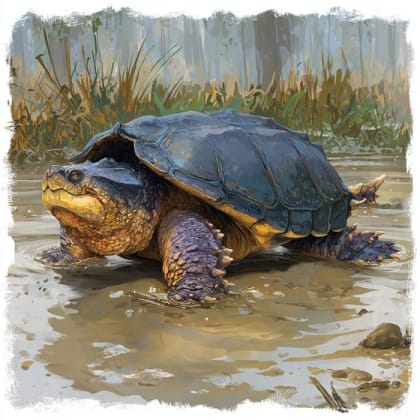





Snapping Turtle

Reynolds Nature Preserve invites visitors to immerse themselves in 146 acres of stunning woodlands, rolling hills, wetlands, and spring-fed ponds in Morrow, Georgia.
Reynolds Nature Preserve invites visitors to immerse themselves in 146 acres of stunning woodlands, rolling hills, wetlands, and spring-fed ponds in Morrow, Georgia. This vital green space, managed by Clayton County Parks and Recreation, is a true urban oasis dedicated to fostering appreciation and awareness of the natural environment. With its diverse ecosystems and commitment to preservation, the preserve offers a unique opportunity to connect with local flora and fauna.
Explore over three miles of multi-use trails that wind through mixed oak-hickory-pine forests, past tranquil ponds, and alongside wetlands. Discover the vibrant Native Plants Trail, showcasing indigenous woodland, aquatic, and granite outcrop plants, or wander through the Pollinator Garden, a haven for butterflies and bees, especially active in spring and summer. The Interpretive Center provides an engaging educational experience with exhibits on native species and live native animals, offering close-up encounters with local wildlife.
Beyond its natural allure, the preserve holds historical charm, featuring remnants of a Civil War-era farm, including an old barn and farm equipment. Whether you're seeking a peaceful hike, a chance to spot diverse bird species, or an educational outing, Reynolds Nature Preserve provides a memorable and accessible natural retreat for all ages. Wondering what that bird or insect is? Find out on your visit using the Snappit nature app.
The history of the land now known as Reynolds Nature Preserve dates back to the Civil War era. Robert T.S. Huie's family acquired the property around that time, though earlier records were lost when the Jonesboro courthouse was destroyed by fire during Sherman's March to the Sea. In the late 1920s, the property was purchased by William H. Reynolds, a self-taught lawyer and naturalist. Judge Reynolds cultivated the land as his personal nature preserve, creating five ponds in the 1930s by damming freshwater springs. In 1976, he generously donated 130 acres of wetlands and woodlands to Clayton County, with the crucial stipulation that the land remain undeveloped and in its natural state forever. A federal grant in 1979 helped fund the construction of the Interpretive Center, piers, bridges, and a pavilion, further enhancing the preserve for public enjoyment and environmental education.
Hike or walk the scenic trails, go birdwatching, explore the educational exhibits, picnic in designated areas, and admire the historic farm structures.
Spring/Summer: Best for viewing wildflowers, native azaleas, and the active Pollinator Garden.
Fall: Enjoy the changing colors of the oak-hickory-pine forest.
Winter: Offers serene, quieter trails and opportunities for spotting wintering birds. The preserve also hosts an annual Yule Log event in December.
The preserve features a wheelchair-accessible path leading to the Interpretive Center, butterfly garden, and the adjacent Native Plants Trail. Many trails are considered easy and suitable for all skill levels.
Features live native animal exhibits and environmental displays.
A wheelchair-accessible path showcasing native woodland, aquatic, and granite outcrop plants.
A blooming attraction, particularly vibrant in spring and summer, attracting butterflies and bees.
Over 3-4 miles of diverse trails, including the 1.5-mile Perimeter Loop, offering scenic views of forests, wetlands, and ponds.
Each card links to a full Explore page with photos, traits, and fun facts.
Start with the big picture, then zoom in to explore individual wildlife observations around this place.
Wear comfortable shoes suitable for walking on varied terrain.
Bring water, especially during warmer months, as you explore the trails.
Consider bringing binoculars for birdwatching and a camera for photography.
Visit the Interpretive Center first to learn about the preserve's ecosystems and history.
Keep dogs on a leash at all times to protect wildlife and ensure a pleasant experience for all visitors.
Pack a picnic to enjoy at one of the designated picnic areas.
May 31, 2026
May 31, 2026
May 31, 2026
May 25, 2026
May 25, 2026

Maryland, US
You might spot White-Tailed Deer and Eastern Gray Squirrel.
View guide →
.jpg)
District of Columbia, US
You might spot Eastern Gray Squirrel, Duck, and House Sparrow.
View guide →

Illinois, US
You might spot American Robin, Canada Goose, and House Sparrow.
View guide →

Virginia, US
You might spot Spotted Lanternfly and Northern Cardinal.
View guide →
Take the discovery with you
Identify the wildlife you spot, learn as you go, and keep a collection of the adventure.













_(cropped).jpg&width=800)