





fringed loosestrife
Lysimachia ciliata
Fringed loosestrife is a pretty plant with yellow flowers that bloom in summer. It grows tall and has soft, fringed leaves that look like they are waving in the breeze.
Habitat: Wetlands
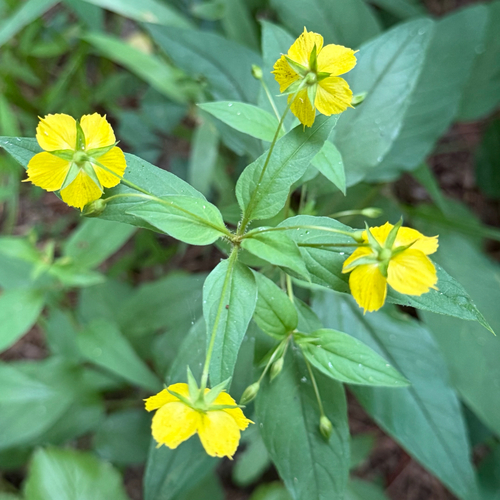
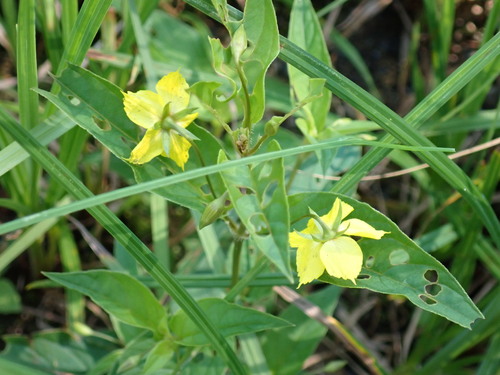
The fringed loosestrife has distinct bright yellow, star-shaped flowers with delicate, frilly edges, giving them a unique fringed appearance. Its leaves grow in whorls around a smooth, often purplish stem, distinguishing it from other meadow plants.
Category
PlantsRarity
Common
Danger
1/5 · Very low
Snaps
8
Ancient people believed this plant could 'loose' (release) arguments, hence its common name!
Its scientific name, Lysimachia, is thought to honor an ancient Greek king, Lysimachus!
Look closely for tiny black dots on its leaves – they are special glands!
This plant is sometimes called 'whorled loosestrife' because its leaves grow in circles!
The fringed loosestrife has unique fringed petals that give its bright yellow flowers a distinctive, frilly look.
The fringed loosestrife can produce sweet nectar on its leaves to attract helpful ants for protection against pests.
The fringed loosestrife can spread quickly using underground stems called rhizomes, helping it form dense colonies.
Apis mellifera
gathers nectar from its flowers

Bombus impatiens
crucial for plant reproduction
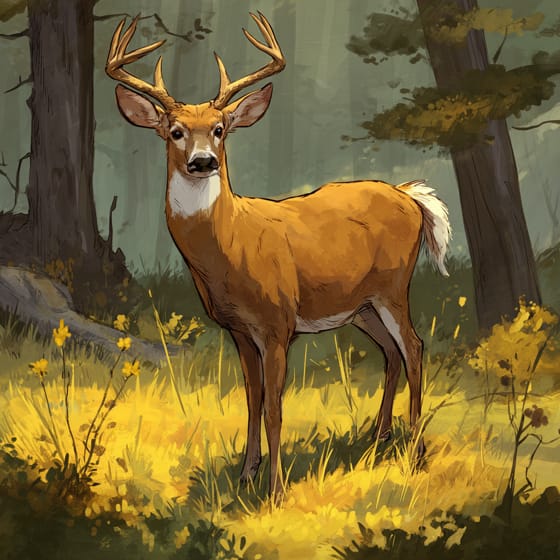
Odocoileus virginianus
its leaves are a food source
.JPG&width=800)
Sylvilagus floridanus
rabbits sometimes browse it
Deciduous plants periodically shed all their leaves, typically during autumn or dry seasons.
Flowering plants are any plants that produce flowers as part of their reproductive cycle.
Summer blooming plants produce their flowers during the summer season, often providing vibrant color when many other plants have finished.
Describes plants that are particularly attractive and beneficial to a wide range of pollinating organisms.

This habitat trait identifies species found in wetlands, which are areas of land saturated with water, either permanently or seasonally, including marshes, swamps, and bogs.
No aliases listed yet.
Danger
1/5 · Very low
Always look but don't touch plants without asking an adult first.
The easiest way to identify fringed loosestrife is to use the Snappit nature identifier app.
60-150 cm
30-60 cm
1-2 cm
Summer
No
None
Perennial
Zoom in to split clusters and explore where this object has been snapped.
Jun 6, 2026
Candler Park Historic DistrictPhoto attribution
(c) Dan Vickers, some rights reserved (CC BY)
License: CC BY 4.0 ↗
Image may be shown cropped inside the card frame.
Jul 4, 2025
Chesterfield GorgePhoto attribution
no rights reserved
License: CC0 1.0 ↗
Image may be shown cropped inside the card frame.

Massachusetts, US
You might spot Mountain Laurel, Azure Bluet, and Partridgeberry.
View guide →

Virginia, US
You might spot Northern Cardinal and Eastern Gray Squirrel.
View guide →
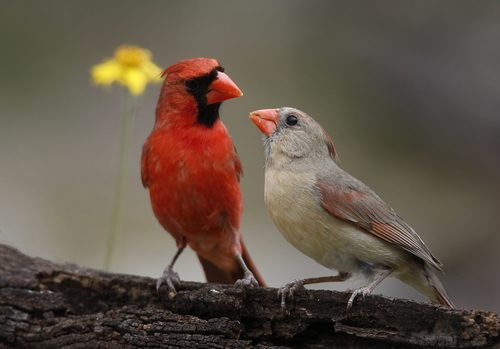
Virginia, US
You might spot Northern Cardinal and Eastern Gray Squirrel.
View guide →

New York, US
You might spot Pine Grosbeak, Hydrangea Leaftier Moth, and Brown Trout.
View guide →

New Hampshire, US
You might spot Hackberry Emperor, Tansy, and Wood Nettle.
View guide →

Georgia, US
You might spot Anole, Asian Lady Beetle, and Joro Spider.
View guide →
Take the discovery with you
Snap it with Snappit to identify it, learn what makes it special, and add the discovery to your collection.







.jpg&width=800)



_001.jpg&width=800)




