.jpg&width=800)





Small Bird-dropping Moth
Ponometia erastrioides
The Small Bird-dropping Moth is a tiny moth that looks like bird poop! This clever disguise helps it stay safe from hungry birds and other predators.
Habitat: Forests
The Small Bird-dropping Moth is a tiny, mottled insect with a striking disguise. Its wings are a chaotic mix of white, brown, and black splotches, perfectly mimicking fresh bird droppings. This irregular pattern allows it to blend seamlessly onto leaves or bark.
Category
InsectsRarity
Common
Danger
1/5 · Very low
Snaps
5
Its scientific name, Ponometia erastrioides, means 'like Erastria', another moth genus.
Moth species like this help pollinate flowers under the moonlight!
The tiny caterpillars of this moth eat common ragweed plants.
This moth is often found resting on leaves, pretending to be something else!
Small Bird-dropping Moth has irregular white, brown, and black markings that help them perfectly camouflage as bird droppings.
Small Bird-dropping Moth can fly actively at night because they use feathery antennae to sense chemicals from food and mates.
Young moths munch on leaves, while grown-up moths sip flower nectar!
Age differences: Larvae feed on leaves, primarily ragweed, while adults consume nectar from various flowers.

Ambrosia artemisiifolia
Its caterpillars feed on the leaves.
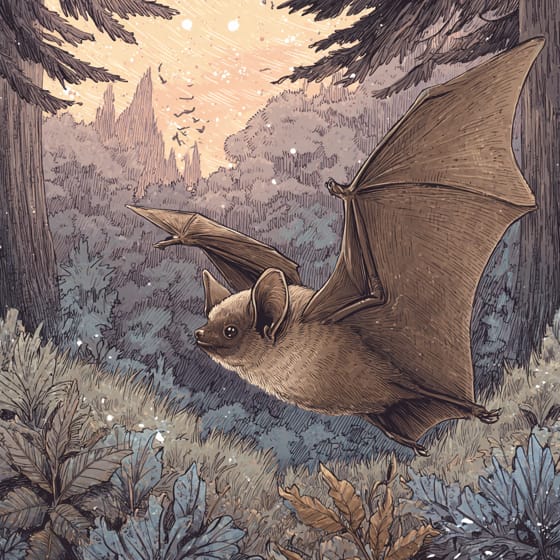
Myotis lucifugus
This bat hunts moths at night.
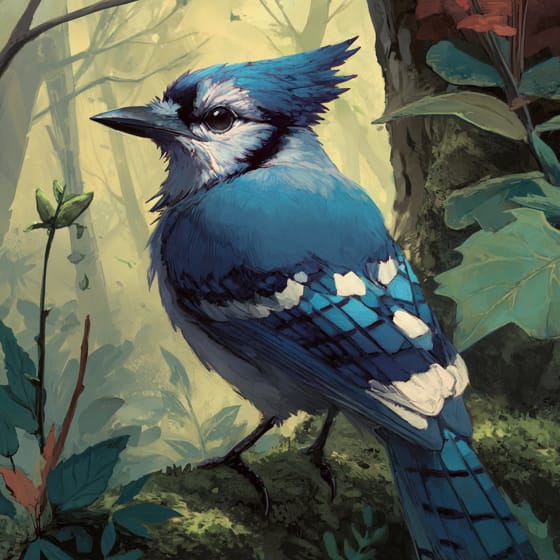
Cyanocitta cristata
This bird might spot and eat the moth.
Solidago canadensis
Adult moths visit its flowers for nectar.
Furry describes animals possessing a dense covering of soft hair or fur.
Solitary animals live alone for most of their lives, only interacting with others for mating or parental care.
Camouflaged describes organisms that possess coloring or patterns that allow them to blend into their environment.
This trait characterizes organisms whose diet consists entirely or primarily of plant material.

This trait identifies organisms whose diet primarily consists of insects and other small invertebrates.

Forest habitats are terrestrial environments dominated by dense tree cover, supporting a high diversity of plant and animal life.

Pertaining to species that are significantly smaller than typical or average for their kind.

Nocturnal animals are primarily active during the nighttime hours, typically resting or sleeping during the day.
No aliases listed yet.
Danger
1/5 · Very low
Don't touch moths you find outside; they are best left in nature.
The easiest way to identify Small Bird-dropping Moth is to use the Snappit nature identifier app.
14-20 mm
7-10 mm
7-28 days
8 km/h
Young moths munch on leaves, while grown-up moths sip flower nectar!
Forests
Foraging
Zoom in to split clusters and explore where this object has been snapped.

Ohio, US
You might spot Eastern Fox Squirrel and Spotted Lanternfly.
View guide →

Illinois, US
You might spot Chicory, Hackberry Emperor, and Compass Plant.
View guide →

Massachusetts, US
You might spot Red Trillium, Round-Leaved Sundew, and Pitch Pine.
View guide →

Ohio, US
You might spot Canada Goose and Common Eastern Bumble Bee.
View guide →

Louisiana, US
You might spot Northern Mockingbird and Eastern Fox Squirrel.
View guide →
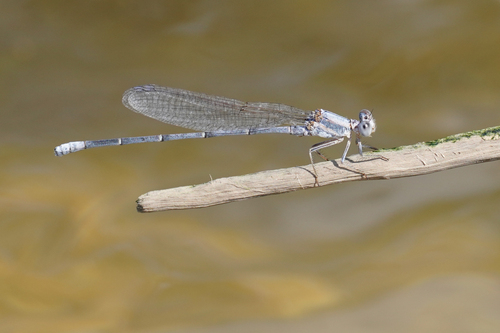
Texas, US
You might spot Powdered Dancer and Glassy-Winged Sharpshooter.
View guide →
Take the discovery with you
Snap it with Snappit to identify it, learn what makes it special, and add the discovery to your collection.







.jpg&width=800)



