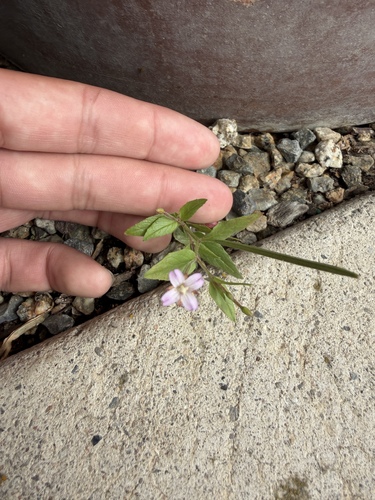





Jun 5, 2026
i
Photo attribution
(c) Ike Ikemori, some rights reserved (CC BY)
License: CC BY 4.0 ↗
Image may be shown cropped inside the card frame.

Sherman Library & Gardens is a vibrant 2.2-acre botanical garden and research library. This "museum of living plants" captivates visitors with its immaculate gardens, themed conservatories, and inviting patios, all interconnected by wide brick pathways and soothing fountains. It serves as a unique cultural center in Corona del Mar, showcasing both horticulture and history.
The gardens boast a diverse range of plant collections, from arid landscapes to lush tropical ecosystems. Explore the steamy Tropical Conservatory, home to exotic orchids, heliconias, and gingers, often featuring a resident koi pond. Wander through the Succulent Garden, where drought-tolerant plants of incredible textures and forms thrive, often highlighted by the iconic California Pepper Tree. Discover the tranquil Fern Grotto with its impressive staghorn ferns or admire the meticulous artistry of the William L. Beck Bonsai Collection. The Central Garden, with its charming tiled fountain, presents ever-changing seasonal floral displays, while the Herb Garden offers aromatic delights like chocolate-mint and society garlic.
Visiting Sherman Library & Gardens offers a serene escape, a chance to immerse yourself in lush scenery and vibrant blooms, providing an immersive sensory experience. It's a place for quiet contemplation, artistic inspiration, and reconnecting with nature, leaving visitors with lasting memories of beauty and tranquility. Even with ongoing improvements, the gardens remain a welcoming and inspiring destination. Wondering what that bird or insect is? Find out on your visit using the Snappit nature app.
Sherman Library & Gardens was founded in 1966 by Arnold D. Haskell, a successful businessman with a passion for education and horticulture. The institution is named after Haskell's mentor and benefactor, Moses Hazeltine Sherman. The origins trace back to 1955 when Haskell purchased the Norman's Nursery property in Corona del Mar, initially using a small adobe house on the site as an office. Over the next decade, Haskell acquired the entire block, and in 1967, he donated the land to The Sherman Foundation, which he had established in 1951 with Sherman's daughters. Between 1966 and 1974, significant development occurred, including the construction of the central garden, the Tropical Conservatory, and the library building, shaping the cultural center visitors enjoy today. Notable renovations include the transformation of the former Cactus Garden into the popular Succulent Garden between 2005-2006.
Stroll the wide brick pathways, admire the diverse plant collections, photograph unique specimens, relax on benches, explore the library (when open), and check for current art exhibitions. Guided tours are also available.
Floral displays in the Central Garden change with the seasons; expect pumpkin displays in the fall and tulips in the spring. The gardens also host seasonal art exhibitions, such as "Dog Days of Sherman" during the summer. Be aware that ongoing improvements may lead to some areas being temporarily closed and occasional construction activity.
Sherman Gardens is mobility-impaired accessible. Handicapped parking and the designated handicap entrance are located at the Dahlia Avenue entrance, near the corner of Dahlia Ave. & Pacific Coast Highway.
A humid greenhouse teeming with orchids, heliconias, and gingers, plus a koi pond.
Features a striking collection of drought-tolerant plants and the California Pepper Tree.
A cool, shaded area showcasing a variety of ferns, including impressive staghorn ferns.
A rotating display of meticulously cultivated bonsai trees.
Each card links to a full Explore page with photos, traits, and fun facts.
We are still adding species preview cards for this place.
Start with the big picture, then zoom in to explore individual wildlife observations around this place.
Check for seasonal pricing and online tickets: Admission pricing can be seasonal, and pre-purchasing tickets online is recommended for contactless entry.
Review the garden map
As the gardens are undergoing improvements, some areas might be temporarily closed; checking the garden map beforehand can help plan your visit.
Explore the themed gardens thoroughly
Don't rush through; each garden area, like the Tropical Conservatory or the Succulent Garden, offers a unique experience.
Allow time for relaxation
Plenty of benches and seating areas are scattered throughout the gardens, encouraging visitors to sit and enjoy the serene surroundings.
Consider a membership
If you plan to visit multiple times, a membership can pay for itself in about three visits and offers additional benefits.
Utilize nearby parking
Free parking is often available in the surrounding lots.
Jun 5, 2026
Photo attribution
(c) Ike Ikemori, some rights reserved (CC BY)
License: CC BY 4.0 ↗
Image may be shown cropped inside the card frame.
Jun 5, 2026
Photo attribution
(c) Ike Ikemori, some rights reserved (CC BY)
License: CC BY 4.0 ↗
Image may be shown cropped inside the card frame.
Jun 5, 2026
Photo attribution
(c) Ike Ikemori, some rights reserved (CC BY)
License: CC BY 4.0 ↗
Image may be shown cropped inside the card frame.
Jun 6, 2026
Jun 6, 2026

Maryland, US
You might spot White-Tailed Deer and Eastern Gray Squirrel.
View guide →
.jpg)
District of Columbia, US
You might spot Eastern Gray Squirrel, Duck, and House Sparrow.
View guide →

Illinois, US
You might spot American Robin, Canada Goose, and House Sparrow.
View guide →

Virginia, US
You might spot Spotted Lanternfly and Northern Cardinal.
View guide →
Take the discovery with you
Identify the wildlife you spot, learn as you go, and keep a collection of the adventure.








.jpg&width=800)



