.jpg&width=800)





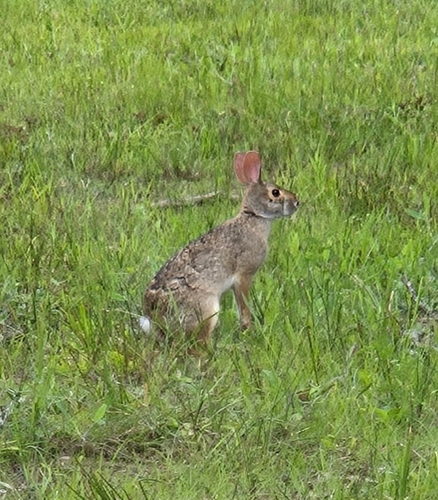
Swamp Rabbit
Sylvilagus aquaticus
Swamp Rabbits are big, fluffy rabbits that love to live in wet areas like swamps and marshes. They are great swimmers and can hop fast to escape from danger!
Habitat: Wetlands
The Swamp Rabbit has coarse, grizzled brown-black fur on its back, a white belly, and a distinctive reddish-brown patch on its hind legs. Its small, dark tail helps distinguish it from other cottontails, and it often appears muddy.
Category
MammalsRarity
Common
Danger
1/5 · Very low
Snaps
2
Eating plants and spreading seeds helps new growth sprout in their wetland homes!
Swamp Rabbits nest in hollow logs or elevated ground, staying safe from floods.
They are sometimes called 'Cane Cutters' because they often live in cane thickets!
They thump their strong hind legs on the ground to warn other swamp rabbits of danger!
Swamp Rabbits can swim and dive expertly using their strong, web-like feet to escape predators in water.
Swamp Rabbits have long, powerful hind legs and large feet that help them leap through muddy, wet environments with ease.
Swamp Rabbits have grizzled brown fur that helps them blend perfectly with the dark, muddy banks of their swamp homes.
These rabbits munch on various leafy plants, grasses, and bark found in their wetland homes.
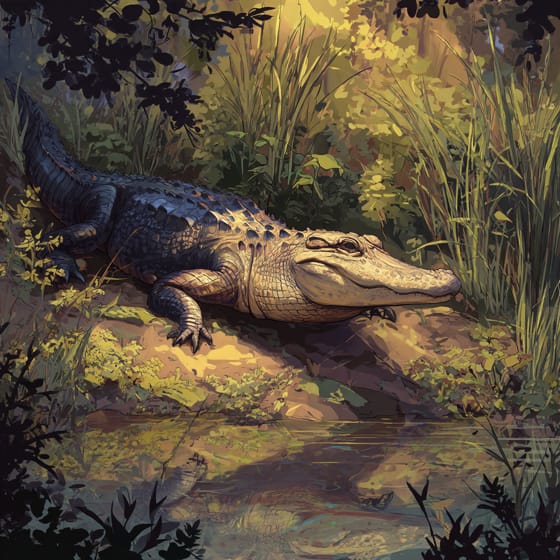
Alligator mississippiensis
Alligators prey on rabbits in wetland areas.
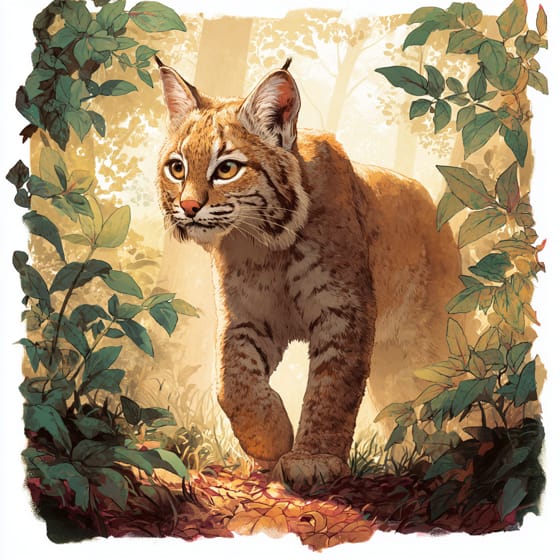
Lynx rufus
Bobcats hunt swamp rabbits as a food source.
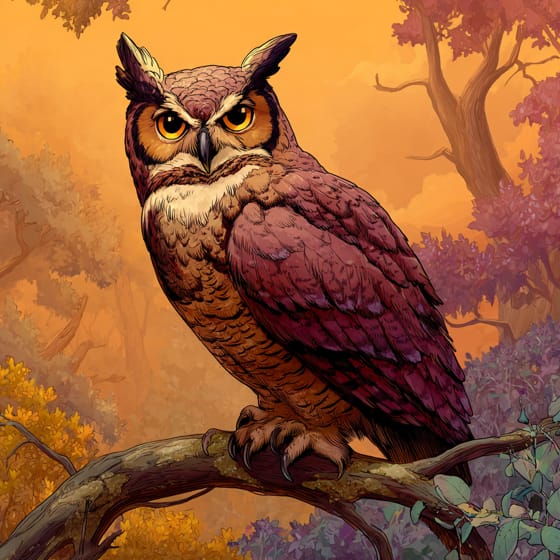
Bubo virginianus
Great Horned Owls are aerial predators of rabbits.
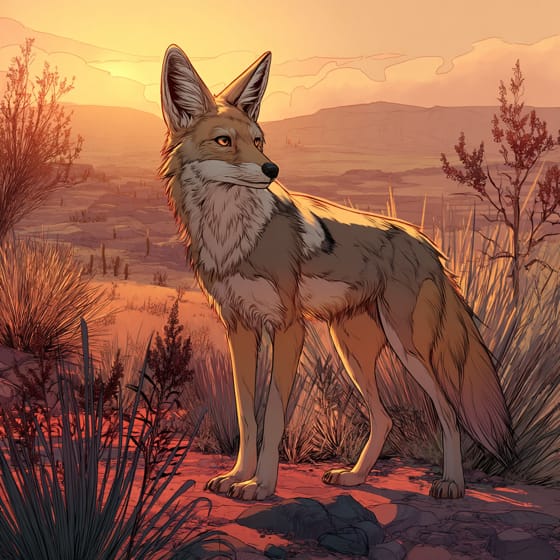
Canis latrans
Coyotes often hunt swamp rabbits for food.
Furry describes animals possessing a dense covering of soft hair or fur.
Solitary animals live alone for most of their lives, only interacting with others for mating or parental care.
This trait characterizes organisms whose diet consists entirely or primarily of plant material.
This habitat trait identifies species found in wetlands, which are areas of land saturated with water, either permanently or seasonally, including marshes, swamps, and bogs.

Describes a species whose presence and role have a disproportionately large effect on its environment.

This trait identifies organisms that exhibit exceptional swiftness in movement for hunting, escape, or travel.
No aliases listed yet.
Danger
1/5 · Very low
If you see a rabbit, watch quietly from a distance and don't try to touch it.
The easiest way to identify Swamp Rabbit is to use the Snappit nature identifier app.
45-55 cm
1.5-2.7 kg
1-3 years
56 km/h
These rabbits munch on various leafy plants, grasses, and bark found in their wetland homes.
Wetlands
Foraging
Zoom in to split clusters and explore where this object has been snapped.
Jun 7, 2026
South Arkansas ArboretumPhoto attribution
(c) Edie, some rights reserved (CC BY)
License: CC BY 4.0 ↗
Image may be shown cropped inside the card frame.
Texas, US
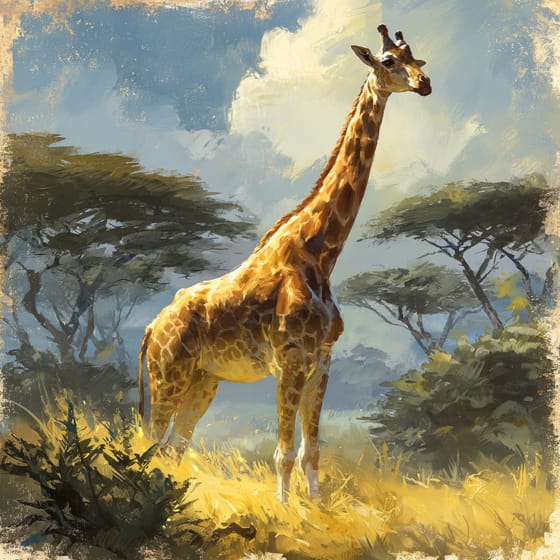
You might spot Giraffes, Tiger, and Hippopotamus.
View guide →
Arkansas, US
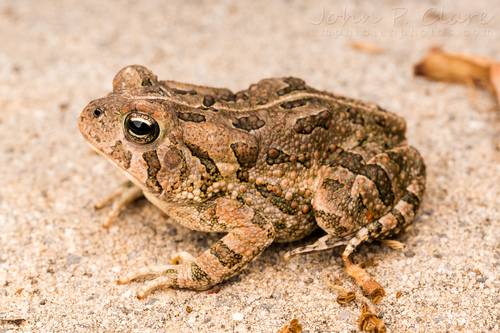
You might spot Fowler's Toad, Anole, and Eastern Lubber Grasshopper.
View guide →
Tennessee, US
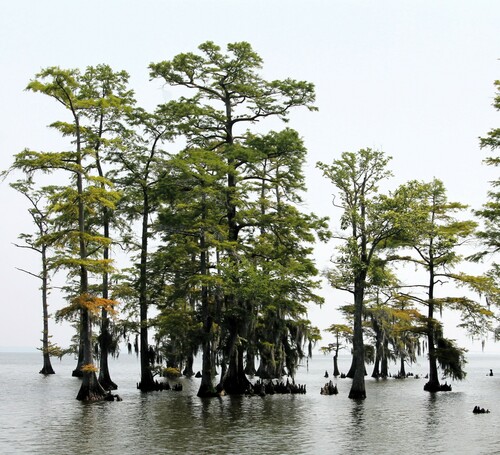
You might spot Baldcypress, Plain-Bellied Watersnake, and Water Tupelo.
View guide →
Take the discovery with you
Snap it with Snappit to identify it, learn what makes it special, and add the discovery to your collection.




.jpg&width=800)



.JPG&width=800)


.jpg&width=800)
