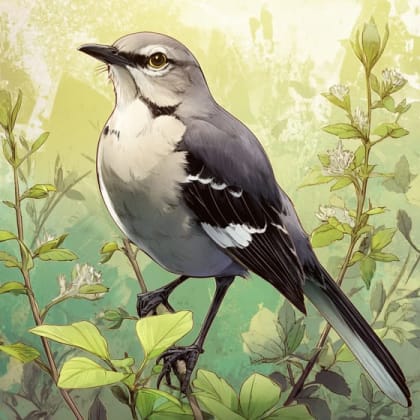





Northern Mockingbird

Wave Hill is a stunning public garden and cultural center overlooking the Hudson River.
Wave Hill is a stunning public garden and cultural center overlooking the Hudson River.
Nestled in the Riverdale section of the Bronx, Wave Hill offers a tranquil escape with breathtaking views of the Hudson River and the New Jersey Palisades. This 28-acre estate seamlessly blends world-class horticulture, art, and nature, providing an urban oasis distinct from the city's hustle and bustle. Its meticulously cultivated gardens and varied landscapes showcase a unique combination of classic horticultural craftsmanship and daring design, inviting visitors into a serene and inspiring environment.
Visitors can explore a diverse array of garden spaces, including the vibrant Flower Garden, the serene Aquatic & Monocot Garden with its water lilies and lotus flowers, and the scientifically curated Herb and Dry Gardens. The Marco Polo Stufano Conservatory houses impressive collections of succulents and tropical plants, while the T. H. Everett Alpine House features hardy alpine specimens. Towering "Great Trees" like the ancient Red Oak, the graceful Cutleaf Japanese Maple, and the distinctive Dawn Redwood add historical character and seasonal beauty to the landscape, offering picturesque spots for reflection and photography.
Wave Hill is more than just a garden; it's a dynamic cultural center where art exhibitions are held in the Glyndor House Gallery and various performances and workshops enrich the visitor experience. It’s a memorable destination for anyone seeking beauty, artistic inspiration, or a peaceful connection with the natural world, all while enjoying panoramic vistas that truly make it an unforgettable hidden gem in New York City. Don't forget to bring the Snappit nature identification app along to scan local species.
Wave Hill began its journey as a private country estate in 1843, built by lawyer William Lewis Morris as a tranquil retreat from city life. Over the decades, it welcomed a host of distinguished residents and guests, including a young Theodore Roosevelt, author Mark Twain, and conductor Arturo Toscanini, all of whom found solace and inspiration within its walls. In the early 20th century, financier and conservationist George Walbridge Perkins acquired the property, significantly expanding the grounds and enhancing its gardens. His family later gifted the estate to the City of New York in 1960, with the vision of transforming it into a public garden and cultural center. Wave Hill officially opened its gates to the public in 1965 and was designated a New York City landmark in 1966, further cementing its legacy as a cherished public resource dedicated to horticulture, education, and the arts.
Stroll through the various themed gardens, admire the diverse plant collections, enjoy the sweeping river views, visit the art galleries, attend seasonal programs or workshops, and keep an eye out for diverse bird species, as Wave Hill is a hotspot for birdwatching.
Spring: Bursting with wildflowers and tulips.
Summer: Features water lilies and lotus flowers in the Aquatic & Monocot Garden.
Fall: Deciduous trees like the Dawn Redwood and Black Tupelo showcase brilliant autumnal colors.
Winter: Shorter hours (closing at 4:30 PM), but offers a serene landscape and architectural beauty of the bare trees. The Igiri Tree berries add winter color.
Wave Hill offers limited wheelchair-accessible parking on-site and the front entrance and parking lot are paved. Wave Hill House, Glyndor Gallery, and the Perkins Visitor Center are accessible. Manual wheelchairs are available on a first-come, first-served basis, and Mobility Assistance Vehicles are operated by staff to help visitors navigate the grounds (though not all areas are accessible due to topography). Wheelchair-accessible restrooms are available. Note that some pathways are unpaved (gravel, grass, woodchips), and the Marco Polo Stufano Conservatory is not wheelchair accessible due to its historic nature. Service animals are welcome.
A perennial delight with changing seasonal blooms.
Home to tropical and succulent plant collections.
Features contemporary art exhibitions inspired by nature.
Offers iconic views of the Hudson River and Palisades.
Each card links to a full Explore page with photos, traits, and fun facts.
Start with the big picture, then zoom in to explore individual wildlife observations around this place.
Check for Free Thursdays
Plan your visit for a Thursday to enjoy free admission.
Wear Comfortable Shoes
The 28-acre estate features varied terrain, including paved and unpaved paths, so comfortable footwear is recommended.
Bring a Camera
Wave Hill is incredibly photogenic, especially the views of the Hudson River and the diverse plant collections.
Utilize Public Transport and Shuttle
Consider taking Metro-North to the Riverdale station and then using the complimentary shuttle to reach the entrance, especially if you don't want to walk uphill.
Pack a Picnic
While blankets and personal chairs are not allowed on lawns, you can bring your own food to enjoy in designated picnic areas like the Glyndor Picnic Area.
Visit in Different Seasons
Each season offers a unique beauty, from spring blooms to fall foliage and winter tranquility, making repeat visits worthwhile.
May 29, 2026
May 24, 2026
May 22, 2026
May 21, 2026
May 21, 2026

Maryland, US
You might spot White-Tailed Deer and Eastern Gray Squirrel.
View guide →
.jpg)
District of Columbia, US
You might spot Eastern Gray Squirrel, Duck, and House Sparrow.
View guide →

Illinois, US
You might spot American Robin, Canada Goose, and House Sparrow.
View guide →

Virginia, US
You might spot Spotted Lanternfly and Northern Cardinal.
View guide →
Take the discovery with you
Identify the wildlife you spot, learn as you go, and keep a collection of the adventure.










