





Cat's Tail Moss
Pseudisothecium stoloniferum
Cat's Tail Moss is a soft, green plant that grows in shady, damp places. It looks like tiny green tails and is fun to touch! This moss helps keep the soil healthy and provides homes for tiny creatures.
Habitat: Forests
The Cat's Tail Moss has soft, feathery fronds that form dense, plush mats of deep green to yellowish-green. Its branches spread out, giving a distinctive, somewhat flattened, lacy appearance. It often resembles miniature ferns or tiny, bushy cat's tails.
Category
PlantsRarity
Common
Danger
1/5 · Very low
Snaps
2
It doesn't have true roots, getting water directly through its leaves.
Mosses help create new soil by slowly breaking down rocks. Wow!
This ancient plant existed even before dinosaurs walked the Earth!
Tiny animals like 'water bears' can live safely tucked away in its leaves.
Cat's Tail Moss releases tiny spores that travel on wind and water, allowing it to colonize new places far away.
Cat's Tail Moss can dry out completely and appear dead, only to revive and turn green again when it gets water!
Limax maximus
grazes on its moist fronds
Formica rufa
builds nests or finds refuge within its mats
Paramacrobiotus richtersi
tiny water bears live safely within its leaves
This trait characterizes plants lacking specialized vascular tissues (xylem and phloem) for transporting water and nutrients.
Grass-like plants are herbaceous plants that visually resemble true grasses, typically having long, narrow leaves.
Shade tolerant plants are adapted to grow and thrive in areas with low light levels, requiring less direct sunlight.
Spore-producing organisms reproduce by releasing small, often single-celled, reproductive units called spores.

Describes organisms that break down dead organic material, recycling nutrients back into the ecosystem.

Forest habitats are terrestrial environments dominated by dense tree cover, supporting a high diversity of plant and animal life.
No aliases listed yet.
Danger
1/5 · Very low
It's safe to touch, but be gentle and don't pull it out of the ground.
The easiest way to identify Cat's Tail Moss is to use the Snappit nature identifier app.
2-10 cm
5-50 cm
No
None
Perennial
Water
Forests
Zoom in to split clusters and explore where this object has been snapped.

US
You might spot Variable Carpet Moth, Bald Eagle, and Red Huckleberry.
View guide →

British Columbia, CA
You might spot Pacific Banana Slug and Western Sword Fern.
View guide →
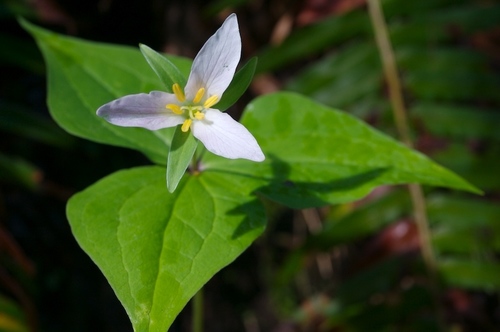
British Columbia, CA
You might spot Pacific Trillium, Coast Fawn Lily, and Western Sword Fern.
View guide →
Take the discovery with you
Snap it with Snappit to identify it, learn what makes it special, and add the discovery to your collection.








.jpg&width=800)



_001.jpg&width=800)



