





Red-stemmed Feather Moss
Pleurozium schreberi
Red-stemmed Feather Moss is a soft, green moss that loves to grow in shady places. Its bright red stems make it easy to spot in the forest, and it helps keep the ground moist and cool.
Habitat: Forests
The Red-stemmed Feather Moss is a vibrant, feathery carpet of green, often tinged with yellow or red. Its distinctive red stems are visible when you gently lift its soft, branching fronds. It forms dense, interwoven mats that stand out against the forest floor.
Category
PlantsRarity
Common
Danger
1/5 · Very low
Snaps
3
Instead of seeds, it reproduces by releasing super tiny spores carried by the wind!
Some patches of feather moss can be older than your grandparents, growing for decades!
This moss doesn't have roots like other plants; it uses tiny hairs to hold on!
When it dries out, it turns pale, but just a drop of water brings it back to life!
Red-stemmed Feather Moss can soak up a lot of water, like a sponge, helping it survive dry spells and keep its surroundings moist.
This moss can keep growing and stay green even in cold temperatures and under snow, collecting energy year-round.
Red-stemmed Feather Moss can grow on bare soil or rocks, starting new plant communities and helping to prevent erosion.
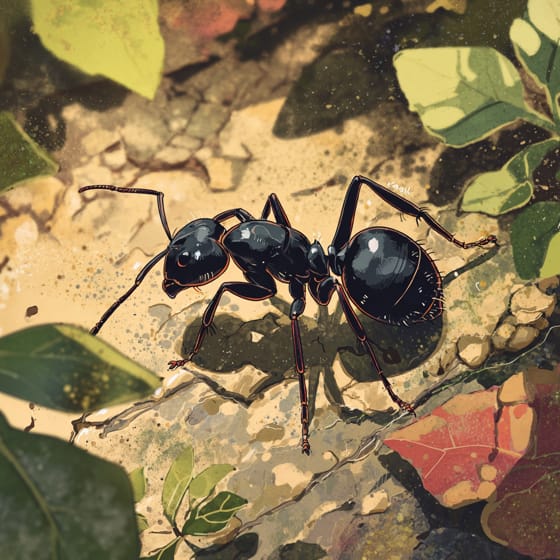
Formica fusca
builds nests under its dense, protective mats.

Carabus violaceus
hides within its cool, moist mats during the day.
Picea mariana
thrives in the acidic, moist soil conditions it helps create.
Feathered describes animals, primarily birds, possessing a covering of feathers.
This trait characterizes plants lacking specialized vascular tissues (xylem and phloem) for transporting water and nutrients.
Shade tolerant plants are adapted to grow and thrive in areas with low light levels, requiring less direct sunlight.
Cold hardy plants are able to withstand low temperatures and freezing conditions without significant damage.

Colorful describes organisms or objects displaying a wide range of bright and distinct colors.

Describes a relationship between two different species where they live in close association, often benefiting one or both.

Describes organisms that break down dead organic material, recycling nutrients back into the ecosystem.

Forest habitats are terrestrial environments dominated by dense tree cover, supporting a high diversity of plant and animal life.

This habitat trait identifies species found in wetlands, which are areas of land saturated with water, either permanently or seasonally, including marshes, swamps, and bogs.
No aliases listed yet.
Danger
1/5 · Very low
It's safe to touch, but be gentle when exploring nature.
The easiest way to identify Red-stemmed Feather Moss is to use the Snappit nature identifier app.
5-15 cm
No
None
Perennial
Forests
Zoom in to split clusters and explore where this object has been snapped.

New Hampshire, US
You might spot Common Shiner, Tree Lungwort, and Creek Chub.
View guide →

US
You might spot Salal, Ochre Sea Star, and Leather Star.
View guide →

Maine, US
You might spot American Toad, Spring Peeper, and Eastern Teaberry.
View guide →
Take the discovery with you
Snap it with Snappit to identify it, learn what makes it special, and add the discovery to your collection.








.jpg&width=800)



_001.jpg&width=800)



