.jpg&width=800)





Acanthocephala terminalis
Acanthocephala terminalis
Acanthocephala terminalis is a special type of insect that lives in water. It has a unique body shape and can be found in ponds and lakes, making it a fascinating creature to discover!
Habitat: Freshwater areas
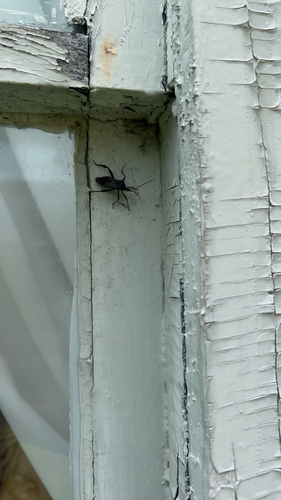
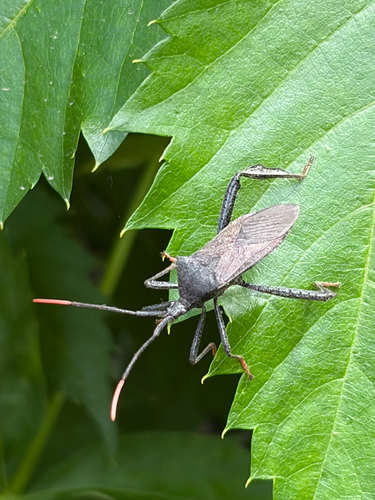
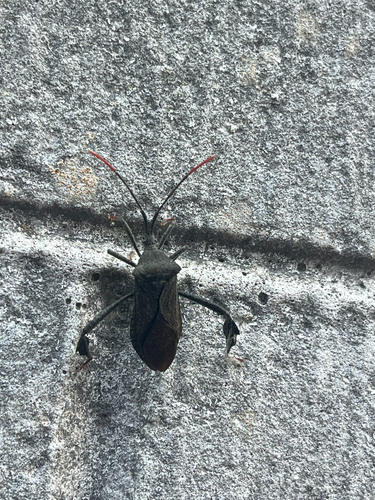
The Acanthocephala terminalis is a small, spiny-bodied insect, typically dark brown to black, with a distinctive reddish-orange tip at the end of its abdomen. Its hard exoskeleton is covered in minute, sharp bristles, giving it a rough appearance that makes it visually different from smoother-bodied beetles.
Category
InsectsRarity
Rare
Danger
2/5 · Low
Snaps
38
If threatened, it can sometimes play dead by freezing completely still!
Its larvae live hidden underground, munching on roots for months before emerging!
This insect uses its antennae to smell out its favorite leaves from far away!
Tiny body spines act like hooks, helping it cling tightly to plants in wind!
Acanthocephala terminalis has a tough, bristly exoskeleton that helps them deter predators from biting them.
Acanthocephala terminalis can remain perfectly still against tree bark, because of its cryptic coloration and textured body that helps them avoid detection.
Acanthocephala terminalis has specialized claws on its legs that helps them grip rough surfaces, allowing them to climb trees and plants with ease.
This herbivorous insect mainly munches on the leaves of specific plants!
Age differences: The larvae feed on plant roots, while adults consume leaves.
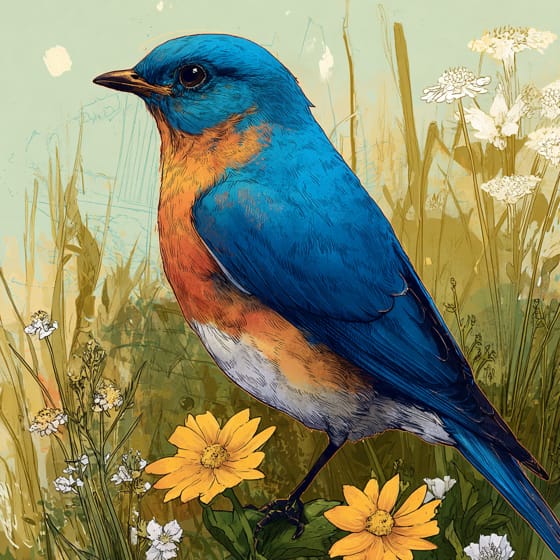
Sialia sialis
Bluebirds often forage for insects on trees.
.jpg&width=800)
Tamias striatus
Chipmunks occasionally supplement their diet with insects.
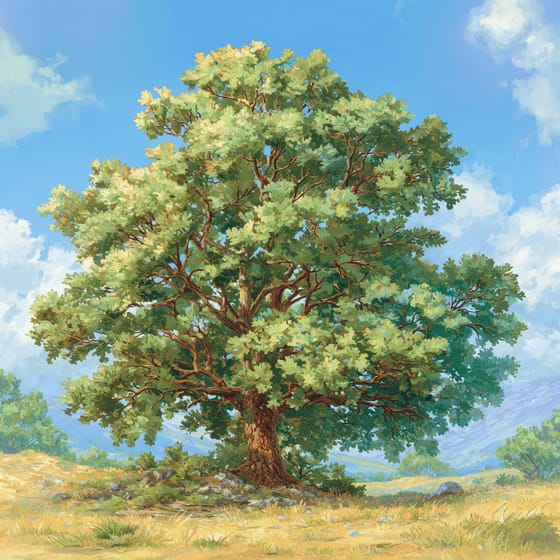
Quercus alba
This insect's larvae feed on the roots of oak trees.

Acer rubrum
Adults feed on the leaves of various deciduous trees.
Solitary animals live alone for most of their lives, only interacting with others for mating or parental care.
Filter feeders obtain nutrients by straining suspended food particles and small organisms from water.
This trait characterizes organisms whose diet consists entirely or primarily of plant material.
Possessing sharp, pointed projections or spines on the body or surface.

Freshwater habitats include non-saline aquatic environments such as rivers, lakes, ponds, and wetlands, vital for numerous species.

Pertaining to species that are significantly smaller than typical or average for their kind.

Aquatic habitats encompass environments where organisms live predominantly in water, including oceans, rivers, lakes, and wetlands.
This trait describes organisms that live on or in a host organism, obtaining nutrients at the host's expense.
No aliases listed yet.
Danger
2/5 · Low
Always wash your hands after exploring water areas to stay clean and healthy.
The easiest way to identify Acanthocephala terminalis is to use the Snappit nature identifier app.
10-30 mm
5-15 mm
30-180 days
8 km/h
This herbivorous insect mainly munches on the leaves of specific plants!
Freshwater areas
Foraging
Zoom in to split clusters and explore where this object has been snapped.
Jun 5, 2026
Bristol Downtown Historic DistrictPhoto attribution
no rights reserved
License: CC0 1.0 ↗
Image may be shown cropped inside the card frame.
Apr 26, 2026
Honor Heights ParkPhoto attribution
(c) Felix Blesch, some rights reserved (CC BY)
License: CC BY 4.0 ↗
Image may be shown cropped inside the card frame.
Apr 23, 2026
Flint RiverQuariumPhoto attribution
(c) Lexa, some rights reserved (CC BY)
License: CC BY 4.0 ↗
Image may be shown cropped inside the card frame.

Tennessee, US
You might spot Black Bear, Yellow Wakerobin, and Pipevine Swallowtail.
View guide →

Arkansas, US
You might spot Eastern Gray Squirrel and Asian Lady Beetle.
View guide →

Vermont, US
You might spot Japanese Knotweed and Red-Bellied Woodpecker.
View guide →

District of Columbia, US
You might spot Spotted Lanternfly and Eastern Gray Squirrel.
View guide →
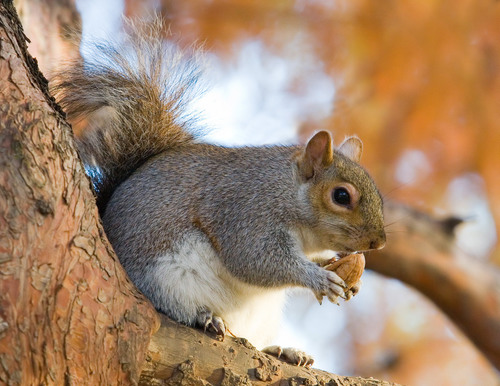
Georgia, US
You might spot Eastern Gray Squirrel, Domestic Cat, and American Robin.
View guide →

Michigan, US
You might spot Eastern Box Turtle, Autumn Olive, and Common Watersnake.
View guide →
Take the discovery with you
Snap it with Snappit to identify it, learn what makes it special, and add the discovery to your collection.









.jpg&width=800)




