_(cropped).jpg&width=800)





American Bittern
Botaurus lentiginosus
The American Bittern is a secretive bird that likes to hide in tall grasses and wetlands. It has a long neck and a funny way of standing still, making it look like a stick!
Habitat: Wetlands
The American Bittern has streaky brown plumage that perfectly mimics marsh reeds. It possesses bright yellow eyes and a long, sharp bill. Its patterned feathers provide excellent camouflage against its wetland home.
Category
BirdsRarity
Common
Danger
1/5 · Very low
Snaps
3
The female American Bittern does all the nesting and raises her chicks alone!
These secretive birds prefer to walk slowly rather than fly when hunting!
They stand perfectly still, bill pointed skyward, to disappear instantly!
They sway their bodies gently to look like wind-blown reeds!
American Bitterns can freeze with their bill pointed skyward, blending seamlessly with surrounding marsh reeds, which helps them hide from predators.
American Bitterns can quickly extend their neck to stab prey with their sharp bill, which helps them catch slippery fish and frogs.
American Bitterns have a unique, low-pitched call resembling a distant pump, which helps them attract mates across vast wetlands.
This stealthy hunter mostly eats small fish, frogs, and large insects found in shallow water.
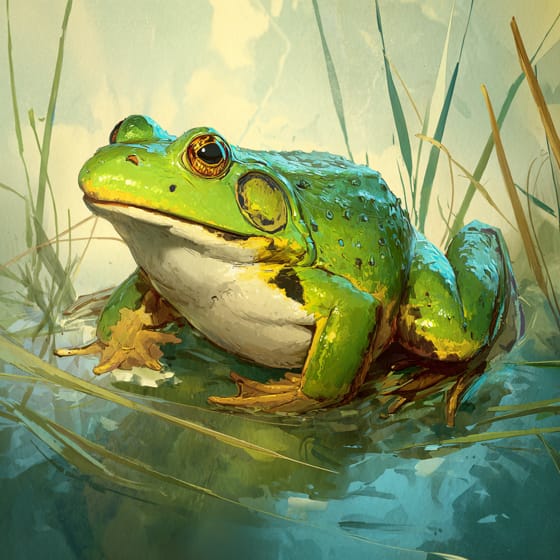
Lithobates clamitans
A common prey item in its marsh habitat.
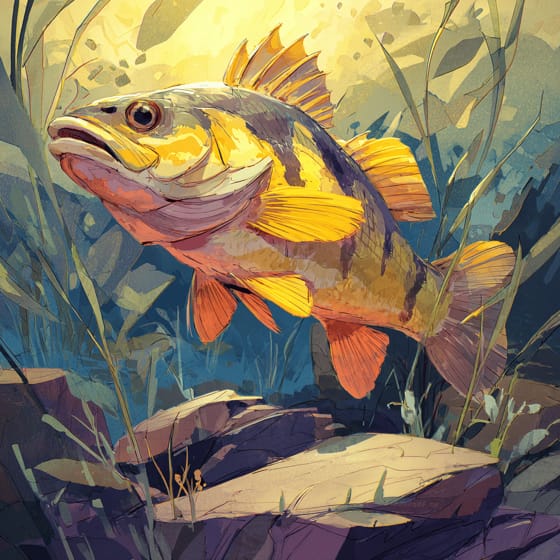
Perca flavescens
Actively preys on small fish in shallow water.
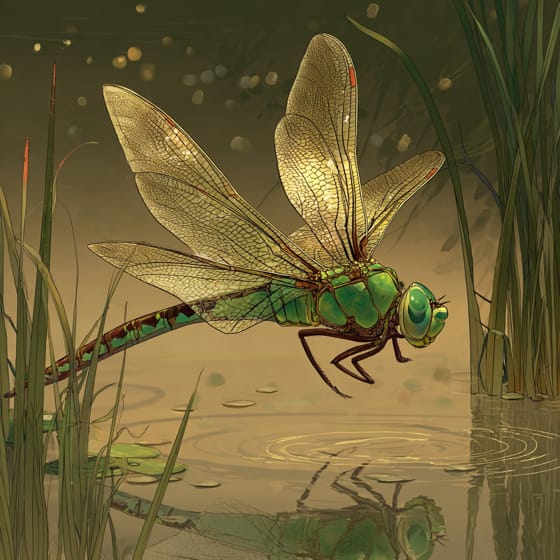
Anax junius
Eats large dragonflies and other aquatic insects.
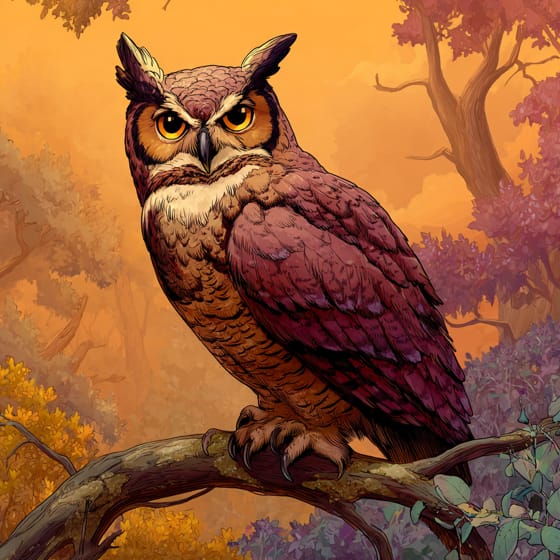
Bubo virginianus
Adults and chicks can fall victim to this nocturnal predator.

Canis latrans
Mammalian predators, including coyotes, can prey on bitterns.
Feathered describes animals, primarily birds, possessing a covering of feathers.
Solitary animals live alone for most of their lives, only interacting with others for mating or parental care.
Camouflaged describes organisms that possess coloring or patterns that allow them to blend into their environment.
Piscivorous organisms are animals that primarily subsist on a diet of fish.

An ambush predator hunts by patiently waiting and concealing itself, then launching a sudden attack when unsuspecting prey comes within range.

This habitat trait identifies species found in wetlands, which are areas of land saturated with water, either permanently or seasonally, including marshes, swamps, and bogs.

Migratory animals undertake seasonal movements from one region to another, typically in response to changes in climate or food availability.

Threatened status denotes a species likely to become endangered in the foreseeable future without effective conservation interventions.
No aliases listed yet.
Danger
1/5 · Very low
Always watch birds from a distance and be quiet so you don't scare them away.
The easiest way to identify American Bittern is to use the Snappit nature identifier app.
59-70 cm
95-115 cm
0.37-0.65 kg
5-8 years
40 km/h
This stealthy hunter mostly eats small fish, frogs, and large insects found in shallow water.
Wetlands
Zoom in to split clusters and explore where this object has been snapped.

Florida, US
You might spot American Alligator, Brown Anole, and Red-Shouldered Hawk.
View guide →
Missouri, US
You might spot Bee and Common Eastern Bumble Bee.
View guide →

New York, US
You might spot Great Blue Heron, Bald Eagle, and Pied-Billed Grebe.
View guide →

British Columbia, CA
You might spot Salal, Northern Red Belt, and Western Sword Fern.
View guide →
Take the discovery with you
Snap it with Snappit to identify it, learn what makes it special, and add the discovery to your collection.




.jpg&width=800)








