Great Blue Heron

The Seneca River Crossing Canals Historic District invites visitors to step back in time and explore a pivotal chapter in American transportation history.
The Seneca River Crossing Canals Historic District invites visitors to step back in time and explore a pivotal chapter in American transportation history. This nationally recognized district, sprawling across parts of Cayuga and Seneca Counties, New York, preserves significant remnants of the iconic Erie Canal and its crucial connection to the Finger Lakes region via the Cayuga-Seneca Canal. It's a place where the engineering ingenuity of the 19th century comes to life, set against the backdrop of the scenic Seneca River.
The district boasts a fascinating array of historical features, including more than a mile of the Enlarged Erie Canal prism, complete with its original towpath and heelpath, offering tangible pathways for exploration. Visitors can discover a historic drydock, remnants of the original Erie Canal, including the foundational Lock #62 and piers from an early mule bridge, and a culvert that ingeniously carried a stream beneath the larger canal. A true highlight is the impressive remains of the Richmond (Montezuma) Aqueduct, a marvel of its time that once carried the canal over the Seneca River and notably integrated a lock within its structure.
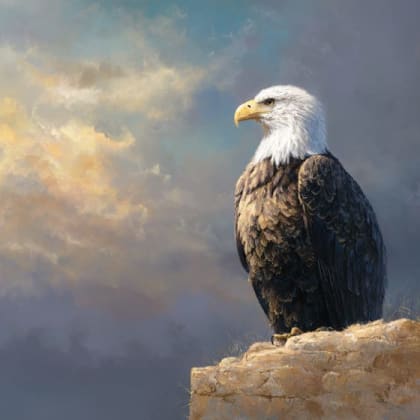
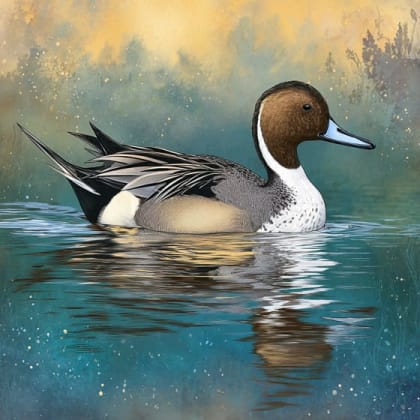
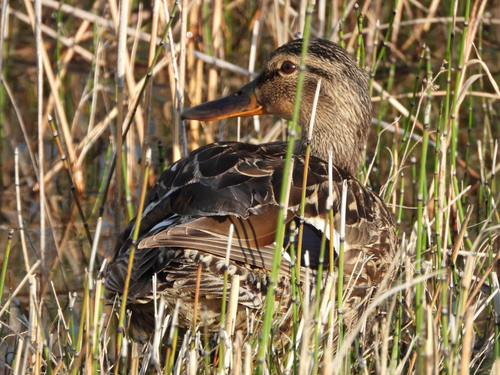
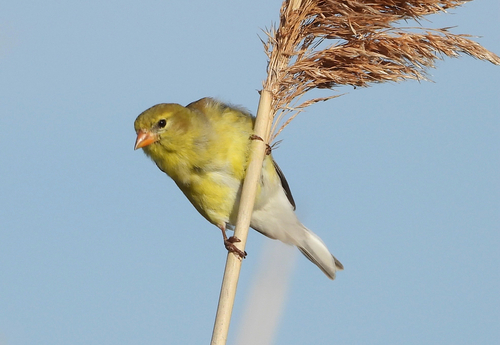
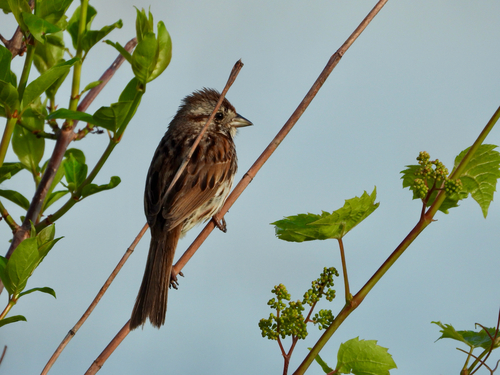
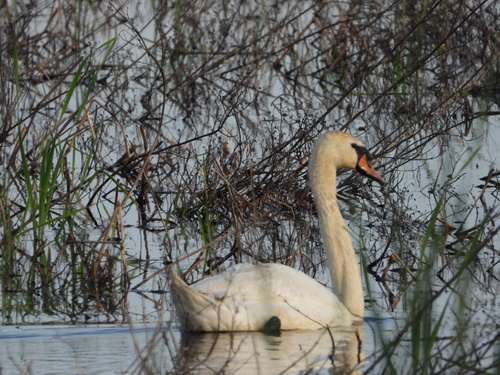
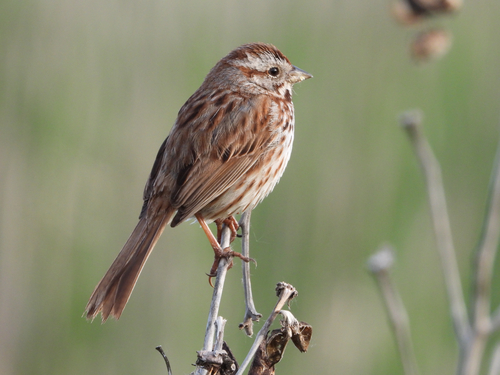
Beyond its direct canal features, the district's natural setting along the Seneca River provides opportunities for nature observation, especially at the nearby Montezuma National Wildlife Refuge, a haven for migratory birds and marsh animals at the confluence of the Erie and Cayuga-Seneca Canals. Whether you're a history buff, an outdoor enthusiast, or simply seeking a unique glimpse into New York's rich heritage, the Seneca River Crossing Canals Historic District offers a compelling and memorable experience, showcasing the enduring legacy of the waterways that shaped a nation. Take the ultimate field guide with you: use the Snappit app to identify birds, plants, and animals on your trip.
The origins of the New York State Canal System, of which the Seneca River Crossing Canals Historic District is a vital part, stretch back to the late 18th century with early efforts to link the Great Lakes to the Atlantic Ocean. The construction of the original Erie Canal, a monumental undertaking, began in 1817 and was completed in 1825, transforming New York into a dominant economic powerhouse. The Cayuga-Seneca Canal, crucial for connecting the Finger Lakes to the main Erie Canal, also has a rich history, with the Seneca Lock Navigation Co. forming in 1813 to improve navigation along the Seneca River. By 1818, a canal with locks was opened between Cayuga and Seneca Lakes, circumventing challenging rapids. This vital connection to the Erie Canal at Montezuma was finalized by 1828, further integrating the region into the burgeoning canal network. The canals underwent several major enlargements and modernizations, notably with the Barge Canal construction starting in 1905 and completed in 1918, which involved canalizing natural waterways like the Seneca River and led to significant landscape changes, including the creation of Van Cleef Lake in Seneca Falls. The Seneca River Crossing Canals Historic District was formally recognized for its historical significance and listed on the National Register of Historic Places in 2005.
Walk or bike the historic towpaths, explore the various canal structures and their interpretive signage, and enjoy boating on the navigable portions of the Cayuga-Seneca Canal. Consider visiting the Seneca Museum of Waterways and Industry in Seneca Falls for more in-depth historical context, or venture to the Montezuma National Wildlife Refuge for wildlife viewing.
Summer offers full access to canal activities, including recreational boating. Fall brings stunning foliage and is excellent for photography. Spring is also beautiful and ideal for bird migrations. Winters can be cold with potential snow cover, limiting some outdoor activities.
Some portions of the multi-use Cayuga-Seneca Canal Trail offer accessible pathways. Accessible boat launches are available along the Seneca River, such as those within the Montezuma Wildlife Refuge area.
Walk along the historic bed of the canal.
Witness the engineering marvel where the canal once crossed the Seneca River.
Discover vestiges like Lock #62 and old mule bridge piers.
Observe the modern canal in operation and the historic lock structures.
Each card links to a full Explore page with photos, traits, and fun facts.
Start with the big picture, then zoom in to explore individual wildlife observations around this place.
Wear comfortable footwear suitable for walking or cycling along potentially unpaved towpaths.
Bring binoculars if you plan to visit the adjacent Montezuma National Wildlife Refuge, as it's a prime spot for birdwatching.
Consider a side trip to the Seneca Museum of Waterways and Industry in nearby Seneca Falls to gain deeper insights into the canal's historical and industrial impact on the region.
Always check the official New York State Canal System website for current operating hours and any alerts before planning a boating trip.
Look for interpretive signage throughout the district to enrich your understanding of the historical structures and their significance.
Pack a picnic to enjoy along the scenic canal banks or at designated picnic areas.
May 27, 2026
Photo attribution
(c) Craig K, some rights reserved (CC BY)
License: CC BY 4.0 ↗
Image may be shown cropped inside the card frame.
May 27, 2026
Photo attribution
(c) Craig K, some rights reserved (CC BY)
License: CC BY 4.0 ↗
Image may be shown cropped inside the card frame.
May 27, 2026
Photo attribution
(c) Craig K, some rights reserved (CC BY)
License: CC BY 4.0 ↗
Image may be shown cropped inside the card frame.
May 27, 2026
Photo attribution
(c) Craig K, some rights reserved (CC BY)
License: CC BY 4.0 ↗
Image may be shown cropped inside the card frame.
May 27, 2026
Photo attribution
(c) Craig K, some rights reserved (CC BY)
License: CC BY 4.0 ↗
Image may be shown cropped inside the card frame.

Maryland, US
You might spot White-Tailed Deer and Eastern Gray Squirrel.
View guide →
.jpg)
District of Columbia, US
You might spot Eastern Gray Squirrel, Duck, and House Sparrow.
View guide →

Illinois, US
You might spot American Robin, Canada Goose, and House Sparrow.
View guide →

Virginia, US
You might spot Spotted Lanternfly and Northern Cardinal.
View guide →
Take the discovery with you
Identify the wildlife you spot, learn as you go, and keep a collection of the adventure.