





American Black Currant
Ribes americanum
The American Black Currant is a small bush that grows tasty, dark berries. These berries are not only delicious but also very healthy! They can be found in many gardens and forests.
Habitat: Forests
The American Black Currant is a deciduous shrub with deeply lobed, maple-like leaves that turn yellow in fall. It has small, bell-shaped, yellowish-green flowers that hang in drooping clusters. Its distinguishing feature is its shiny, dark purple-black berries that ripen in summer.
Category
PlantsRarity
Common
Danger
1/5 · Very low
Snaps
2
Crushing a leaf releases a musky smell, a unique way to identify this plant!
Each tiny flower has five petals, often hiding under the leaves in clusters.
Indigenous peoples traditionally used parts of this plant for various purposes.
These berries have a bold, tart taste perfect for jellies and pies!
American Black Currant leaves release a strong musky scent when crushed, which helps it deter some hungry herbivores.
American Black Currant produces tart, nutrient-rich dark berries that serve as an important food source for wildlife.
American Black Currant has a dense root system that helps it stabilize soil, preventing erosion, especially near water.
Apis mellifera
Gathers nectar from flowers
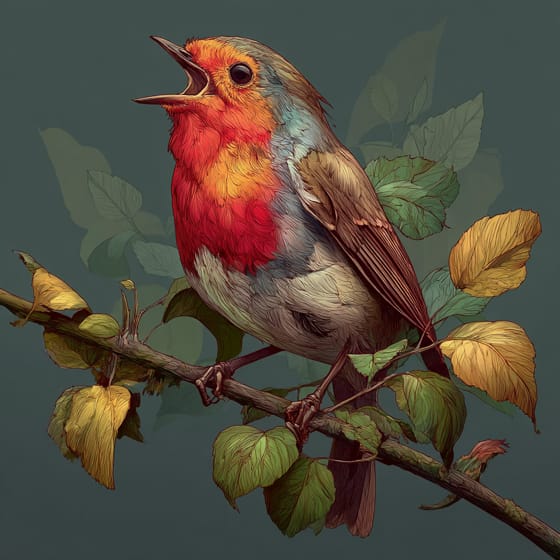
Turdus migratorius
Eats ripe berries, spreading seeds

Odocoileus virginianus
Browses on leaves and twigs
Ursus americanus
Feasts on plentiful berries
Deciduous plants periodically shed all their leaves, typically during autumn or dry seasons.
A shrub is a woody plant smaller than a tree, typically with multiple stems branching from or near the ground.
Fruit-bearing plants produce fruits, which are the mature ovaries of flowering plants containing seeds.
Medicinal plants possess chemical compounds that can be used for therapeutic purposes to treat illnesses or maintain health.

Edible plants are those parts of a plant that are considered safe for human consumption.

Describes plants that are particularly attractive and beneficial to a wide range of pollinating organisms.

Forest habitats are terrestrial environments dominated by dense tree cover, supporting a high diversity of plant and animal life.
No aliases listed yet.
Danger
1/5 · Very low
Always ask an adult before picking or eating berries from plants.
The easiest way to identify American Black Currant is to use the Snappit nature identifier app.
100-200 cm
100-200 cm
0.5-1 cm
Spring_to_early_summer
Yes
None
Perennial
Zoom in to split clusters and explore where this object has been snapped.

Minnesota, US
You might spot Common Eastern Bumble Bee and Turkey.
View guide →

Minnesota, US
You might spot Sand Tiger Shark, Loggerhead Sea Turtle, and Spiders.
View guide →
Minnesota, US
You might spot Sand Tiger Shark and Loggerhead Sea Turtle.
View guide →
Take the discovery with you
Snap it with Snappit to identify it, learn what makes it special, and add the discovery to your collection.







.jpg&width=800)



_001.jpg&width=800)



