_Quidi_Vidi_Lake%2C_St_John%27s%2C_Newfoundland_(8710694225).jpg&width=800)





American Black Duck
Anas rubripes
The American Black Duck is a beautiful bird with dark feathers and a friendly quack! They love to swim in ponds and lakes, looking for tasty plants and insects to eat.
Habitat: Wetlands
The American Black Duck is a dark-bodied duck with a lighter, brownish-tan head and a yellowish-orange bill. Its unique purplish-blue wing patch (speculum) has distinct black borders, making it visually distinct from the brighter Mallard.
Category
BirdsRarity
Common
Danger
1/5 · Very low
Snaps
4
Female black ducks often reuse the very same nesting spot year after year!
Their dark feathers help them stay warm by absorbing more sunlight in cold weather!
They can cross-breed with Mallards, creating unique "hybrid" ducklings!
Unlike many birds, they only shed their flight feathers once a year, usually in summer!
American Black Ducks can quietly forage by dabbling or tipping their bodies in shallow water, letting them find food unnoticed.
American Black Ducks have dense feathers and a fat layer that keeps them warm, allowing them to stay in icy northern waters.
American Black Ducks can spring vertically into flight from water or land, which helps them quickly escape from predators.
They eat a mix of plants and small animals found in the water and on land.
Age differences: Young ducklings eat more insects and invertebrates for growth.
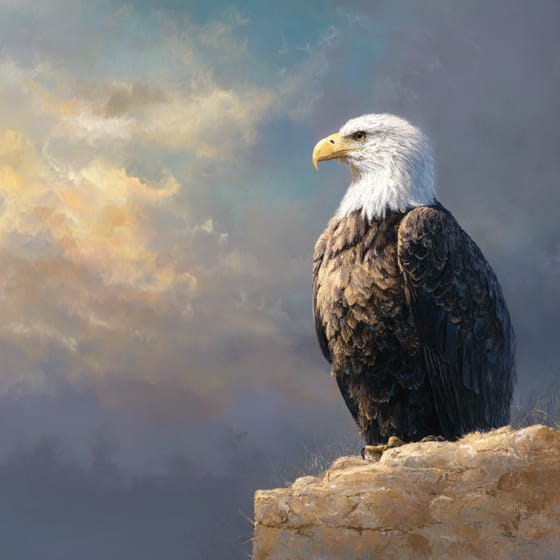
Haliaeetus leucocephalus
Bald Eagles are a major aerial predator of adult ducks.
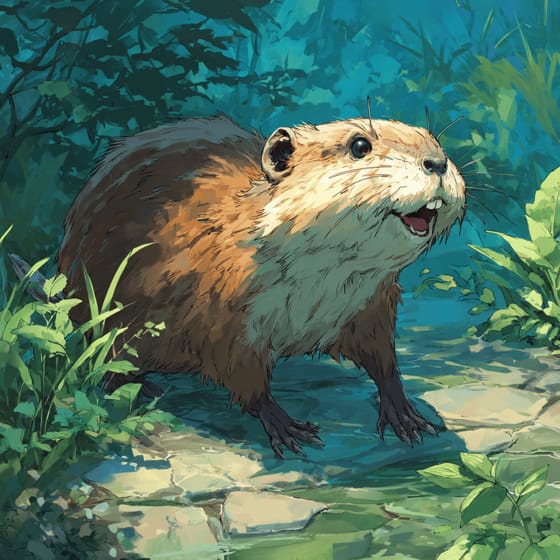
Ondatra zibethicus
Often builds nests on abandoned muskrat lodges for protection.
Typha latifolia
Uses dense cattail marshes for nesting cover and food.
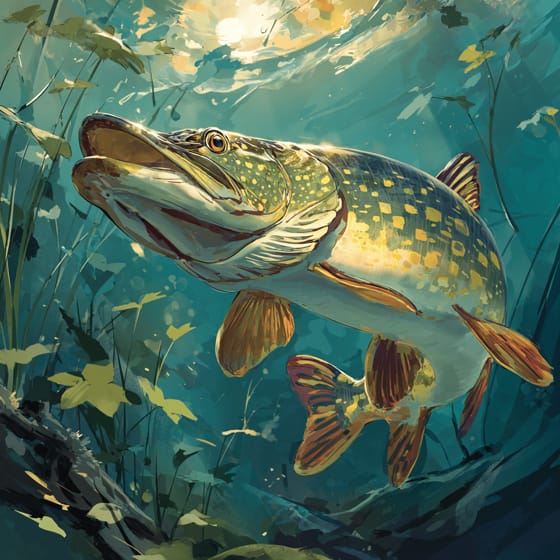
Esox lucius
Large fish like pike can prey on young ducklings underwater.
Potamogeton natans
Feeds on the seeds and vegetative parts of pondweed.
Feathered describes animals, primarily birds, possessing a covering of feathers.
Characterized by having toes connected by a membrane, typically aiding in swimming.
Social animals live in organized groups, cooperating for survival benefits such as foraging, defense, and raising offspring.
This trait identifies organisms whose diet includes both plant and animal matter.

This habitat trait identifies species found in wetlands, which are areas of land saturated with water, either permanently or seasonally, including marshes, swamps, and bogs.

Diurnal animals are primarily active during daylight hours, typically resting or sleeping at night.

Freshwater habitats include non-saline aquatic environments such as rivers, lakes, ponds, and wetlands, vital for numerous species.

This trait identifies organisms that exhibit exceptional swiftness in movement for hunting, escape, or travel.

Migratory animals undertake seasonal movements from one region to another, typically in response to changes in climate or food availability.
No aliases listed yet.
Danger
1/5 · Very low
Always watch ducks from a distance and don’t feed them bread.
The easiest way to identify American Black Duck is to use the Snappit nature identifier app.
50-60 cm
85-95 cm
0.7-1.6 kg
10-15 years
88 km/h
They eat a mix of plants and small animals found in the water and on land.
Wetlands
Zoom in to split clusters and explore where this object has been snapped.

Rhode Island, US
You might spot Common Eastern Bumble Bee and Osprey.
View guide →

Maine, US
You might spot Pink Lady's Slipper, Wood Lily, and Great Blue Heron.
View guide →

New York, US
You might spot American Herring Gull, Brant, and Great Black-Backed Gull.
View guide →

Massachusetts, US
You might spot Common Eastern Bumble Bee, House Sparrow, and Rock Pigeon.
View guide →

Massachusetts, US
You might spot Long-Tailed Duck, American Herring Gull, and Purple Martin.
View guide →

Connecticut, US
You might spot American Herring Gull and American Oystercatcher.
View guide →
Take the discovery with you
Snap it with Snappit to identify it, learn what makes it special, and add the discovery to your collection.




.jpg&width=800)








