





Piping Plover
Charadrius melodus
The Piping Plover is a small, sandy-colored bird that loves to live on beaches. It has a sweet, whistling call and is known for its tiny size and cute appearance.
Habitat: Coastal areas
The Piping Plover is a small, pale shorebird with sand-colored plumage on its back and white underparts. It has a short, stout black bill, distinctive orange legs, and a single black band across its breast and a black bar on its forehead during breeding season, making it blend perfectly with its beach habitat.
Category
BirdsRarity
Rare
Danger
1/5 · Very low
Snaps
22
Piping Plover chicks can leave the nest and find their own food just hours after hatching!
Their nests are just shallow scrapes in the sand, sometimes lined with small pebbles!
These tiny birds migrate thousands of kilometers, flying from Canada all the way to the Caribbean!
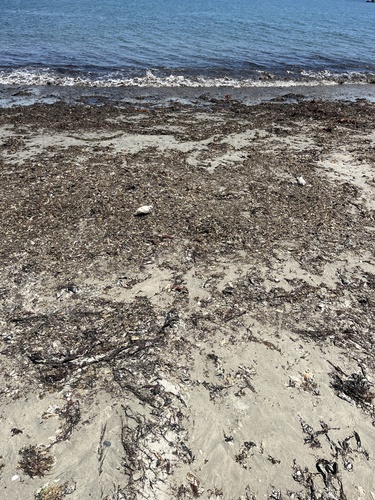
They nest directly on sandy beaches, making their camouflaged eggs nearly invisible!
Piping Plover can disappear into its sandy surroundings because its pale feathers perfectly match the beach environment.
Piping Plover can pretend to have a broken wing that helps them lure predators away from their hidden nests and chicks.
Piping Plover can detect tiny vibrations in the sand that helps them find hidden insect prey without seeing them.
These small birds dash along beaches to gobble up tiny marine worms, insects, and crustaceans.
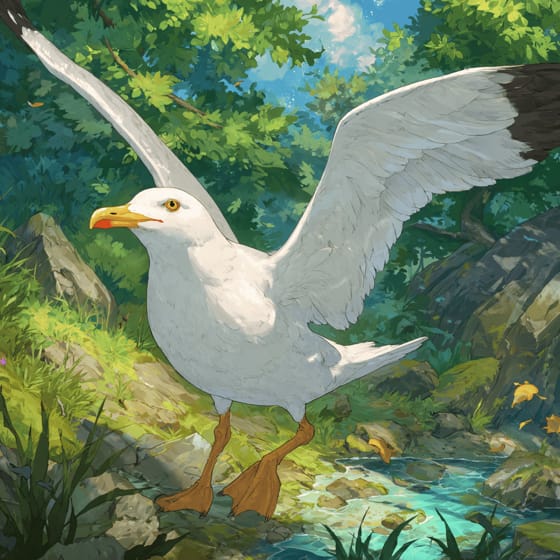
Larus argentatus
Preys on eggs and chicks.
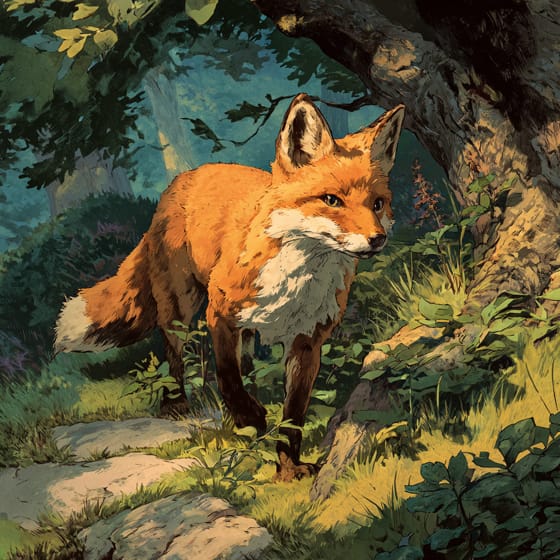
Vulpes vulpes
Hunts adult plovers and their young.
Nereis virens
Forages for these marine worms.

Carcinus maenas
Consumes small crab species.
Camouflaged describes organisms that possess coloring or patterns that allow them to blend into their environment.
This trait identifies organisms whose diet primarily consists of insects and other small invertebrates.
Coastal habitats are dynamic environments located along the interface between land and sea, influenced by tides, waves, and saltwater.
Diurnal animals are primarily active during daylight hours, typically resting or sleeping at night.

Pertaining to species that are significantly smaller than typical or average for their kind.

This trait identifies organisms that exhibit exceptional swiftness in movement for hunting, escape, or travel.

Migratory animals undertake seasonal movements from one region to another, typically in response to changes in climate or food availability.

Protected status signifies a species or area is safeguarded by legal measures and conservation efforts to prevent harm or loss.

Endangered status indicates a species is at a very high risk of extinction in the wild in the near future.
Danger
1/5 · Very low
Always be gentle and quiet around birds so they feel safe.
The easiest way to identify Piping Plover is to use the Snappit nature identifier app.
17-18 cm
38-48 cm
0.043-0.063 kg
5-10 years
40 km/h
These small birds dash along beaches to gobble up tiny marine worms, insects, and crustaceans.
Coastal areas
Zoom in to split clusters and explore where this object has been snapped.
Jun 14, 2026
Fort Revere ParkPhoto attribution
(c) frogspotter, some rights reserved (CC BY)
License: CC BY 4.0 ↗
Image may be shown cropped inside the card frame.

Rhode Island, US
You might spot Rugosa Rose and American Herring Gull.
View guide →
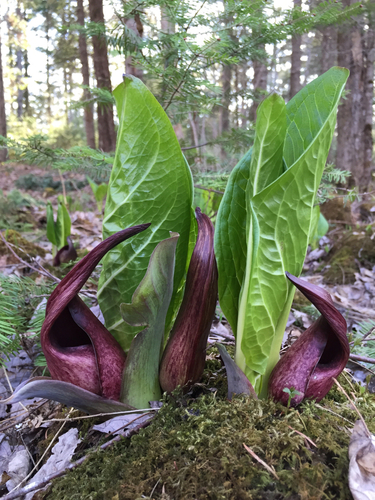
Connecticut, US
You might spot Eastern Skunk Cabbage and Eastern White Pine.
View guide →
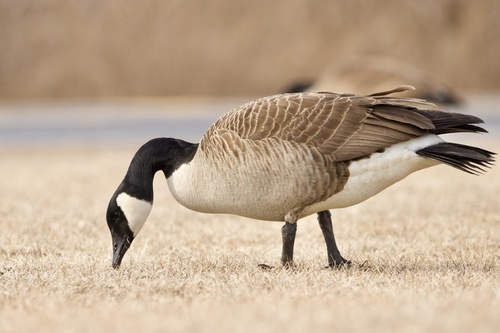
Illinois, US
You might spot Canada Goose, House Sparrow, and Rock Pigeon.
View guide →

US
You might spot Common Eider, American Herring Gull, and Common Periwinkle.
View guide →

Rhode Island, US
You might spot Tundra Bean Goose, Tansy, and Osprey.
View guide →

Illinois, US
You might spot American Robin, Canada Goose, and House Sparrow.
View guide →
Take the discovery with you
Snap it with Snappit to identify it, learn what makes it special, and add the discovery to your collection.





.jpg&width=800)









