Great Blue Heron

Norman Bird Sanctuary is a vibrant nature preserve offering diverse habitats and rich educational experiences.
Norman Bird Sanctuary is a vibrant nature preserve offering diverse habitats and rich educational experiences. This 325-acre non-profit wildlife sanctuary and environmental education center in Middletown, Rhode Island, serves as the largest contiguous open space on Aquidneck Island, providing a critical haven for both local and migratory birds along the Atlantic Flyway. With over seven miles of trails winding through forests, fields, ponds, and coastal landscapes, it’s a treasured destination for connecting with the natural world.
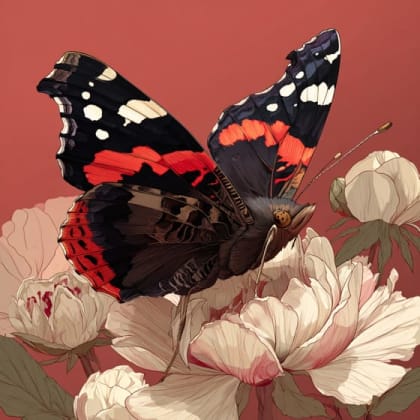
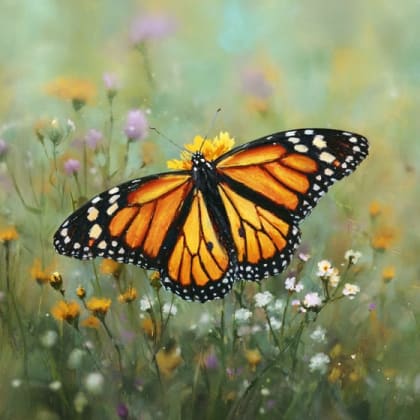
Visitors can explore a mosaic of ecosystems, from the serene Red Maple Pond, offering a viewing platform for aquatic birds like Mallards and Great Egrets, to the dramatic overlooks of the Hanging Rock Trail, boasting panoramic ocean vistas from 70 feet high. The sanctuary's commitment to conservation is evident in its restored grassland habitats, home to Bobolinks and Tree Swallows, and its pollinator meadows attracting a kaleidoscope of butterflies and bees. Don't miss the unique "puddingstone" rock formations along the ridges or the educational Curiosity Lab, an engaging, hands-on STEAM-focused space for all ages.
Whether you're an avid birder, a curious family, or simply seeking tranquility, the Norman Bird Sanctuary offers an enriching outdoor adventure. Wander through Mabel's Garden, showcasing native plants, or discover The Good Gardens, an organic teaching space that provides fresh produce to the community. The variety of trails, from the Universally Accessible Trail to more challenging rocky paths, ensures an enjoyable experience for diverse visitors, leaving them with lasting memories of Rhode Island's natural beauty and biodiversity. Planning to visit? Download the Snappit app to identify the wildlife you spot in real-time.
The Norman Bird Sanctuary was established in 1949 through the generous bequest of Mabel Norman Cerio, a lifelong lover of art and nature. Mabel had purchased the property, known as Paradise Farm, in 1908 and spent decades caring for animals, birdwatching, and painting in her studio. Her will stipulated that the land be maintained "for the propagation, preservation, and protection of birds, and where birds and bird life may be observed, studied, taught and enjoyed by lovers of nature." The sanctuary's lands have a rich agricultural history dating back to the early 18th century, with the main farmhouse on the property dating to approximately 1755. Over the years, the initial 235 acres expanded to more than 325 acres, preserving significant diverse habitats. The original farmstead, recognized as the Smith-Gardiner-Norman Farm Historic District, was listed on the National Register of Historic Places in 2008, cementing its historical significance.
Enjoy hiking and nature walks through varied terrain, from easy boardwalks to rocky ascents. Engage in birdwatching, keeping an eye out for over 230 recorded species. Take advantage of free guided bird walks and nature walks led by naturalists. Explore the educational gardens and the 19th-century barn museum. Photography is highly encouraged, especially for landscapes and wildlife.
Spring/Fall: Excellent for observing migratory bird species.
Winter: Offers a quieter experience, with opportunities for cross-country skiing on trails (when snow permits) and tracking animal footprints like turkey and coyote.
The Universally Accessible Trail is ADA-compliant, featuring a wide, even surface of packed stone dust and a boardwalk that leads to a viewing platform at Red Maple Pond. The Welcome Center and parking are wheelchair accessible. Service dogs are welcome on trails when leashed or harnessed, but emotional support animals are not permitted.
Offers breathtaking panoramic views of the Atlantic Ocean and surrounding landscapes.
Features a viewing platform, perfect for observing waterfowl like Mallards and the majestic Great Egret.
An ADA-compliant path leading through various habitats to a pond viewing platform, suitable for all mobility levels.
Educational organic gardens and historic native plant displays.
Each card links to a full Explore page with photos, traits, and fun facts.





















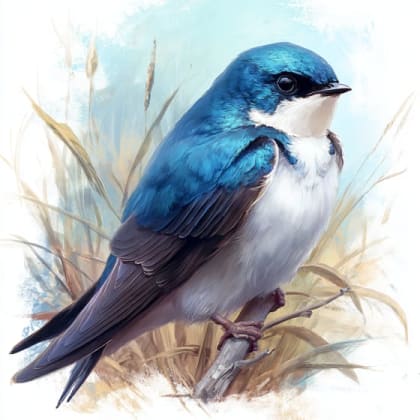


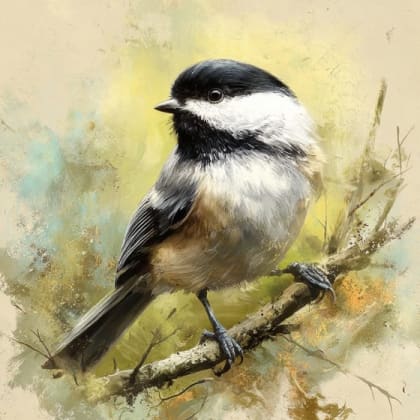
























Start with the big picture, then zoom in to explore individual wildlife observations around this place.
Wear appropriate footwear
Sturdy hiking boots are recommended, especially for uneven or rocky terrain on trails like Hanging Rock.
Bring binoculars
Essential for birdwatching to get the most out of the diverse bird species present.
Be tick aware
Especially during warmer months, remember to check for ticks and consider using insect repellent.
Stay on marked trails
This helps protect sensitive habitats and ensures your safety and that of the wildlife.
Visit the Welcome Center first
Obtain a trail map and check in before heading out on the trails.
Consider a guided walk
Join a free guided bird walk or nature walk for expert insights into the sanctuary's flora and fauna.
Jun 4, 2026
Photo attribution
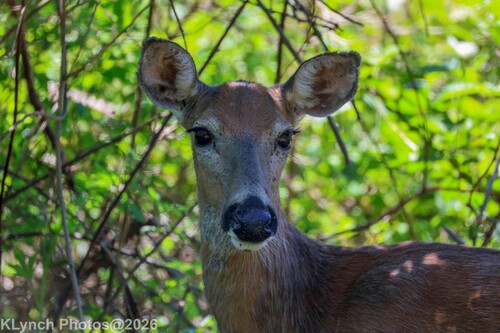
(c) Kevin Lynch, some rights reserved (CC BY)
License: CC BY 4.0 ↗
Image may be shown cropped inside the card frame.
Jun 19, 2026
Jun 17, 2026
Jun 11, 2026
Jun 5, 2026

Maryland, US
You might spot White-Tailed Deer and Eastern Gray Squirrel.
View guide →
.jpg)
District of Columbia, US
You might spot Eastern Gray Squirrel, Duck, and House Sparrow.
View guide →

Illinois, US
You might spot American Robin, Canada Goose, and House Sparrow.
View guide →

Virginia, US
You might spot Spotted Lanternfly and Northern Cardinal.
View guide →
Take the discovery with you
Identify the wildlife you spot, learn as you go, and keep a collection of the adventure.