





American trailplant
Adenocaulon bicolor
The American trailplant is a special plant that grows in shady places. It has big, heart-shaped leaves and pretty white flowers that turn into fluffy seeds. This plant loves to grow near streams and in forests.
Habitat: Forests
The American trailplant has large, heart-shaped leaves that are bright green on top and strikingly silvery-white and woolly underneath. Its small, unassuming white flowers grow on tall, sticky stems, making it distinctively visible along forest paths.
Category
PlantsRarity
Common
Danger
1/5 · Very low
Snaps
4
Despite its name, it's not a common food for forest animals, possibly due to its sticky texture!
Its scientific name, Adenocaulon, means 'glandular stem,' hinting at its sticky hairs!
The American trailplant is also known as 'silver-green' due to its unique leaf colors.
You can often find this plant 'pointing' its silver undersides up on windy days!
American trailplant has bicolored leaves, green above and silvery below, which may reflect sunlight or deter herbivores.
American trailplant stems are covered in glandular hairs, trapping small insects, possibly for defense or nutrient absorption.
American trailplant produces seeds with a fluffy parachute, allowing them to drift on the wind to new growing spots.

Bombus melanopygus
visits flowers for nectar
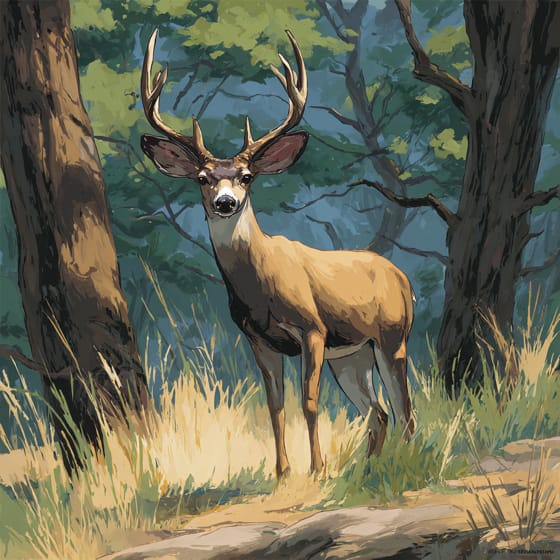
Odocoileus hemionus
occasionally browses its leaves
Syrphus ribesii
visits flowers for pollen
Deciduous plants periodically shed all their leaves, typically during autumn or dry seasons.
Flowering plants are any plants that produce flowers as part of their reproductive cycle.
Shade tolerant plants are adapted to grow and thrive in areas with low light levels, requiring less direct sunlight.
Describes plants that are particularly attractive and beneficial to a wide range of pollinating organisms.

Forest habitats are terrestrial environments dominated by dense tree cover, supporting a high diversity of plant and animal life.

Describes organisms that transfer pollen, enabling the fertilization and reproduction of plants.
No aliases listed yet.
Danger
1/5 · Very low
Always look but don't touch plants unless you know they are safe.
The easiest way to identify American trailplant is to use the Snappit nature identifier app.
30-90 cm
15-45 cm
0.5-1 cm
Summer
No
None
Perennial
Zoom in to split clusters and explore where this object has been snapped.

Oregon, US
You might spot Oregon Oak, Pacific Poison Oak, and American Bullfrog.
View guide →

California, US
You might spot Sequoia, California Incense-Cedar, and White Fir.
View guide →

Washington, US
You might spot Pacific Banana Slug, Western Sword Fern, and Elk.
View guide →

California, US
You might spot Northern Elephant Seal, Gumboot Chiton, and Ochre Sea Star.
View guide →
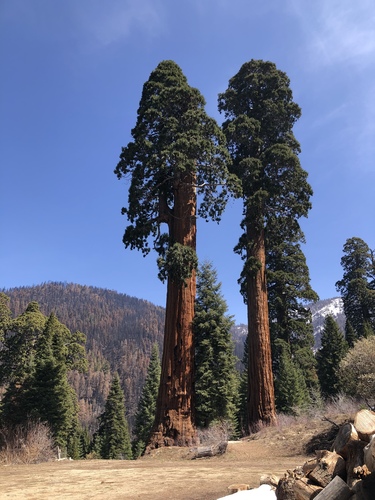
California, US
You might spot Sequoia, Mountain Misery, and Mule Deer.
View guide →

Oregon, US
You might spot Pacific Trillium, Giant White Fawn Lily, and Candy Flower.
View guide →
Take the discovery with you
Snap it with Snappit to identify it, learn what makes it special, and add the discovery to your collection.






.jpg&width=800)



_001.jpg&width=800)



