





American white waterlily
Nymphaea odorata
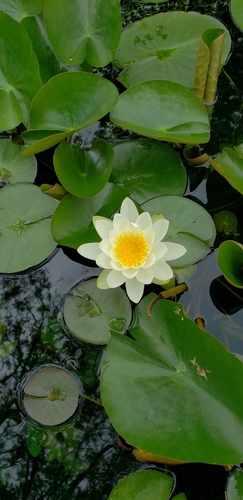
The American white waterlily is a beautiful flower that floats on water. Its big, white petals open up to the sun, making ponds and lakes look lovely.
Habitat: Wetlands
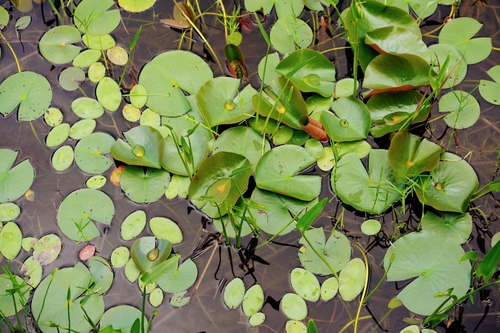
The American white waterlily has large, circular green leaves that float flat on the water's surface. Its striking, star-shaped flowers are pure white with a bright yellow center, often appearing to float right alongside the leaves.
Category
PlantsRarity
Common
Danger
1/5 · Very low
Snaps
35
Each flower floats on a long, flexible stem, letting it bob and sway gently with the water's movement!
Its flowers are like thermometers, warming up slightly to lure in sleepy beetles!
Some waterlily seeds can remain dormant for years at the bottom of a pond before sprouting!
The water-repellent leaves mean rain and dew just roll right off their shiny, green surface!
American white waterlily has broad, buoyant leaves that float on the water, helping it capture maximum sunlight for energy.
American white waterlily can open its fragrant white flowers in the morning and close them again at night, like sleeping!
American white waterlily has strong rhizomes buried in the mud that anchor it firmly and store vital nutrients for winter.
Apis mellifera
Gathers nectar and pollen from flowers
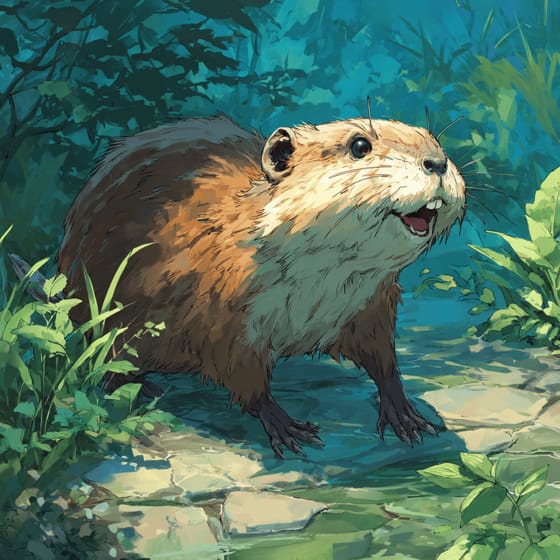
Ondatra zibethicus
Eats the rhizomes and young stems
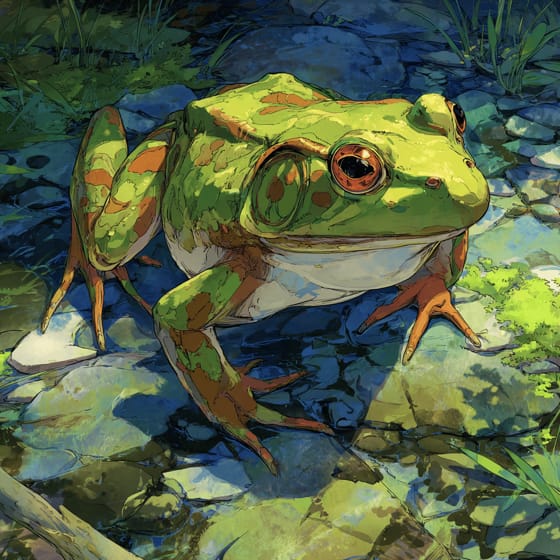
Lithobates catesbeianus
Hides among the floating leaves

Galerucella nymphaeae
Feeds on the leaves and flowers
Flowering plants are any plants that produce flowers as part of their reproductive cycle.
Summer blooming plants produce their flowers during the summer season, often providing vibrant color when many other plants have finished.
Broadleaf trees are angiosperms characterized by flat, wide leaves that are typically shed annually in temperate climates.
Fragrant flowers emit a pleasant aroma, often to attract pollinators or for defense.

Describes plants that are particularly attractive and beneficial to a wide range of pollinating organisms.

This habitat trait identifies species found in wetlands, which are areas of land saturated with water, either permanently or seasonally, including marshes, swamps, and bogs.

Freshwater habitats include non-saline aquatic environments such as rivers, lakes, ponds, and wetlands, vital for numerous species.

Aquatic habitats encompass environments where organisms live predominantly in water, including oceans, rivers, lakes, and wetlands.
Danger
1/5 · Very low
Always stay close to an adult when near water to stay safe.
The easiest way to identify American white waterlily is to use the Snappit nature identifier app.
5-30 cm
60-150 cm
10-20 cm
Late spring to early fall
Yes
None
Perennial
Zoom in to split clusters and explore where this object has been snapped.
Jun 17, 2026
Grundy Lake Provincial ParkPhoto attribution
(c) Lauren H, some rights reserved (CC BY-SA)
License: CC BY-SA 4.0 ↗
Image may be shown cropped inside the card frame.
May 28, 2022
LinwoodPhoto attribution
(c) Judy Dobles, some rights reserved (CC BY)
License: CC BY 4.0 ↗
Image may be shown cropped inside the card frame.

Wisconsin, US
You might spot Purple Pitcher Plant, Papillose Peatmoss, and Tamarack.
View guide →

Wisconsin, US
You might spot Turkey, White-Tailed Deer, and Dame's Rocket.
View guide →

New York, US
You might spot American White Waterlily, Buttonbush, and Common Milkweed.
View guide →

South Carolina, US
You might spot Anole, Asian Lady Beetle, and Gulf Fritillary.
View guide →

Massachusetts, US
You might spot Striped Wintergreen, Painted Turtle, and Canada Goose.
View guide →

Connecticut, US
You might spot Downy Woodpecker and Eastern Gray Squirrel.
View guide →
Take the discovery with you
Snap it with Snappit to identify it, learn what makes it special, and add the discovery to your collection.








.jpg&width=800)

_001.jpg&width=800)




