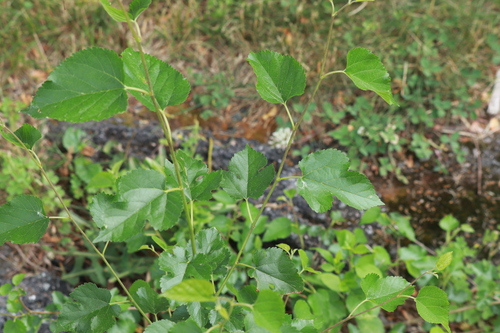
Eastern Gray Squirrel

Step into a living museum at East Windsor Hill Historic District, a beautifully preserved enclave showcasing centuries of New England heritage.
Step into a living museum at East Windsor Hill Historic District, a beautifully preserved enclave showcasing centuries of New England heritage. This charming semi-rural residential area, nestled along the Connecticut River, offers a unique glimpse into the architectural evolution and rich cultural tapestry of early America. It's a place where every turn of Main Street reveals stories etched in brick and timber.
The district boasts an exceptional collection of regional Connecticut Valley architecture, distinguished by outstanding craftsmanship and remarkable preservation. Visitors can admire a chronological display of architectural styles, from elegant Georgian Colonial homes and picturesque gambrel-roofed cottages to sophisticated Federal brick houses and numerous variations of Greek Revival. Notable examples include the Ebenezer Grant Mansion, a premier Georgian Colonial masterpiece, and the grand Bennett Tyler House, a superb illustration of Greek Revival design. The integrity of these structures, many still retaining their historic settings and appearances, provides an immersive experience into the past.
Exploring East Windsor Hill Historic District offers a profound appreciation for New England's architectural legacy and the skilled artisans who shaped it. It's a memorable destination for anyone fascinated by history, architecture, and the enduring charm of a bygone era. The district's serene atmosphere and visual appeal make it an ideal spot for leisurely strolls and photography, inviting visitors to connect with the deep roots of Connecticut. Explore the grounds like a pro—download the Snappit app to instantly identify animals and plants.
The East Windsor Hill area was first settled in 1638 by families from Windsor, just across the Connecticut River. A crucial early connection was the first ferry service across the Connecticut River, established by John Bissell in 1648, with its eastern end located at Ferry Lane. Main Street itself was officially laid out in 1680, forming a major north-south thoroughfare parallel to the river and fostering a community centered on agriculture and river trade. The district's economic prosperity peaked in the late 18th and early 19th centuries, driven by maritime trade with the West Indies. This era saw the construction of many high-style mansions for merchant traders, attracting skilled craftsmen to the town. A significant development in the 1830s was the establishment of the Theological Institute of Connecticut, a neo-Calvinist seminary, which further influenced the village's growth and led to the construction of several homes for its professors and president. The East Windsor Hill Historic District was officially added to the National Register of Historic Places in 1986, recognizing its architectural and historical significance.
Take a self-guided walking tour along Main Street and Ferry Lane to admire the diverse architectural styles. Look for historical markers providing context about the buildings and their former residents. Enjoy the semi-rural scenery and imagine life in early Connecticut.
Spring: Pleasant temperatures, budding trees, and blooming flowers enhance the district's charm.
Summer: Lush greenery, but can be warm and humid.
Fall: Spectacular autumn foliage provides a beautiful backdrop for the historic homes. Ideal for photography.
Winter: Snow can create a picturesque scene, but walking conditions might be challenging, and some details could be obscured.
The district is primarily composed of public roads and sidewalks suitable for walking. As a historic district with privately owned residences, specific accessibility features for entering individual buildings are generally not available, and many historic buildings have steps. It is an open-air district traversable by car or on foot.
The array of historic homes along Main Street showcasing Georgian Colonial, Federal, and Greek Revival styles. Specific architectural details like carved doorway surrounds and Flemish bond brickwork are particularly noteworthy. Don't miss the East Windsor Hill Post Office, a rare colonial-era commercial building.
Each card links to a full Explore page with photos, traits, and fun facts.



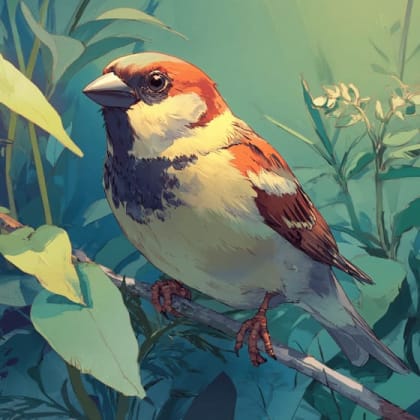


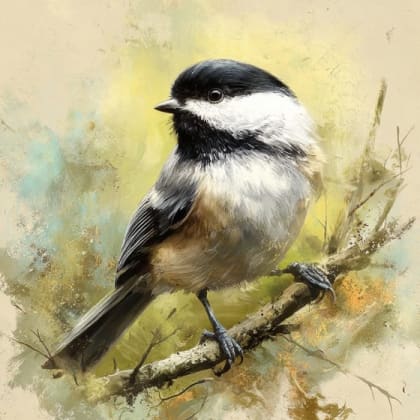












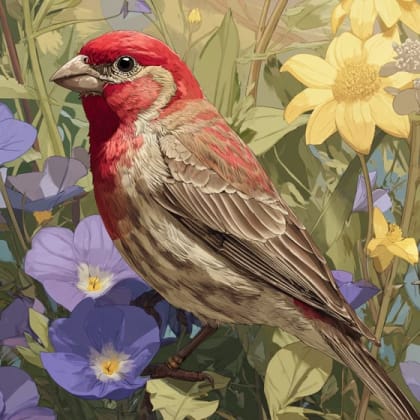






















Start with the big picture, then zoom in to explore individual wildlife observations around this place.
Wear comfortable walking shoes, as exploring the district is best done on foot.
Bring a camera to capture the intricate architectural details and picturesque streetscapes.
Consider researching some of the key buildings and their history beforehand to enhance your visit.
While primarily residential, be respectful of the residents' privacy as you explore.
Allow ample time to wander and soak in the atmosphere rather than rushing through.
Look for historical markers and plaques on buildings for additional insights into their past.
Jun 16, 2026
Photo attribution
(c) Mark Apgar, some rights reserved (CC BY)
License: CC BY 4.0 ↗
Image may be shown cropped inside the card frame.
Jun 15, 2026
Photo attribution
(c) Mark Apgar, some rights reserved (CC BY)
License: CC BY 4.0 ↗
Image may be shown cropped inside the card frame.
Jun 14, 2026
Photo attribution
(c) Mark Apgar, some rights reserved (CC BY)
License: CC BY 4.0 ↗
Image may be shown cropped inside the card frame.
Jun 7, 2026
Photo attribution
(c) Mark Apgar, some rights reserved (CC BY)
License: CC BY 4.0 ↗
Image may be shown cropped inside the card frame.
Jun 7, 2026
Photo attribution
(c) Mark Apgar, some rights reserved (CC BY)
License: CC BY 4.0 ↗
Image may be shown cropped inside the card frame.

Maryland, US
You might spot White-Tailed Deer and Eastern Gray Squirrel.
View guide →
.jpg)
District of Columbia, US
You might spot Eastern Gray Squirrel, Duck, and House Sparrow.
View guide →

Illinois, US
You might spot American Robin, Canada Goose, and House Sparrow.
View guide →

Virginia, US
You might spot Spotted Lanternfly and Northern Cardinal.
View guide →
Take the discovery with you
Identify the wildlife you spot, learn as you go, and keep a collection of the adventure.