





Ruffed Grouse
Bonasa umbellus
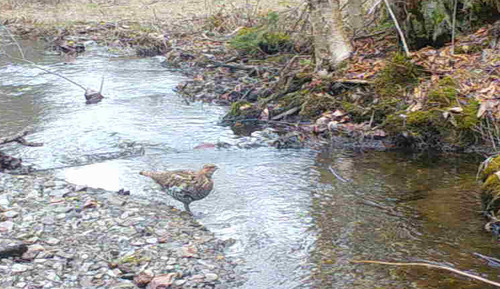
The Ruffed Grouse is a fluffy bird that loves to hide in the woods. It can blend in with the leaves and is known for its special drumming sound during springtime to attract friends.
Habitat: Forests
The Ruffed Grouse has mottled brown, gray, and black feathers, allowing it to blend perfectly with forest environments. It features a distinct fan-shaped tail with a broad, dark band and a crest. Males display iridescent black neck feathers, called a ruff, which they can flair out.
Category
BirdsRarity
Common
Danger
1/5 · Very low
Snaps
12
A male grouse makes a drumming sound without hitting anything!
Baby grouse can fly a little just one week after hatching!
Sometimes, they eat so many aspen buds they actually smell like them!
They grow special comb-like fringes on their toes for better grip on snow!
Ruffed Grouse can burst from cover with explosive speed because of powerful wing muscles, helping them escape predators instantly.
Ruffed Grouse can burrow into soft snow because of their instinctual behavior, helping them create a warm, insulating winter den.
Ruffed Grouse has a unique "drumming" sound because males rapidly beat their wings, helping them attract mates and define territory.
Ruffed Grouse has special comb-like fringes on their toes that help them walk on snow without sinking, like natural snowshoes.
An omnivore eating buds, twigs, leaves, berries, and insects from the forest floor.
Age differences: Chicks eat mostly insects for protein, while adults switch to more plant material like buds and twigs.
Feathered describes animals, primarily birds, possessing a covering of feathers.
Social animals live in organized groups, cooperating for survival benefits such as foraging, defense, and raising offspring.
This trait identifies organisms whose diet includes both plant and animal matter.
Singing animals produce complex vocalizations, often for purposes of attracting mates, defending territory, or communicating within their species.

Camouflaged describes organisms that possess coloring or patterns that allow them to blend into their environment.

Forest habitats are terrestrial environments dominated by dense tree cover, supporting a high diversity of plant and animal life.

Diurnal animals are primarily active during daylight hours, typically resting or sleeping at night.

This trait identifies organisms that exhibit exceptional swiftness in movement for hunting, escape, or travel.
No aliases listed yet.
Danger
1/5 · Very low
Enjoy watching birds from a distance and don't try to catch them.
The easiest way to identify Ruffed Grouse is to use the Snappit nature identifier app.
40-48 cm
50-64 cm
0.5-0.8 kg
1-10 years
72 km/h
An omnivore eating buds, twigs, leaves, berries, and insects from the forest floor.
Forests
Zoom in to split clusters and explore where this object has been snapped.
Apr 6, 2026
South Windham Village Historic DistrictPhoto attribution
no rights reserved
License: CC0 1.0 ↗
Image may be shown cropped inside the card frame.
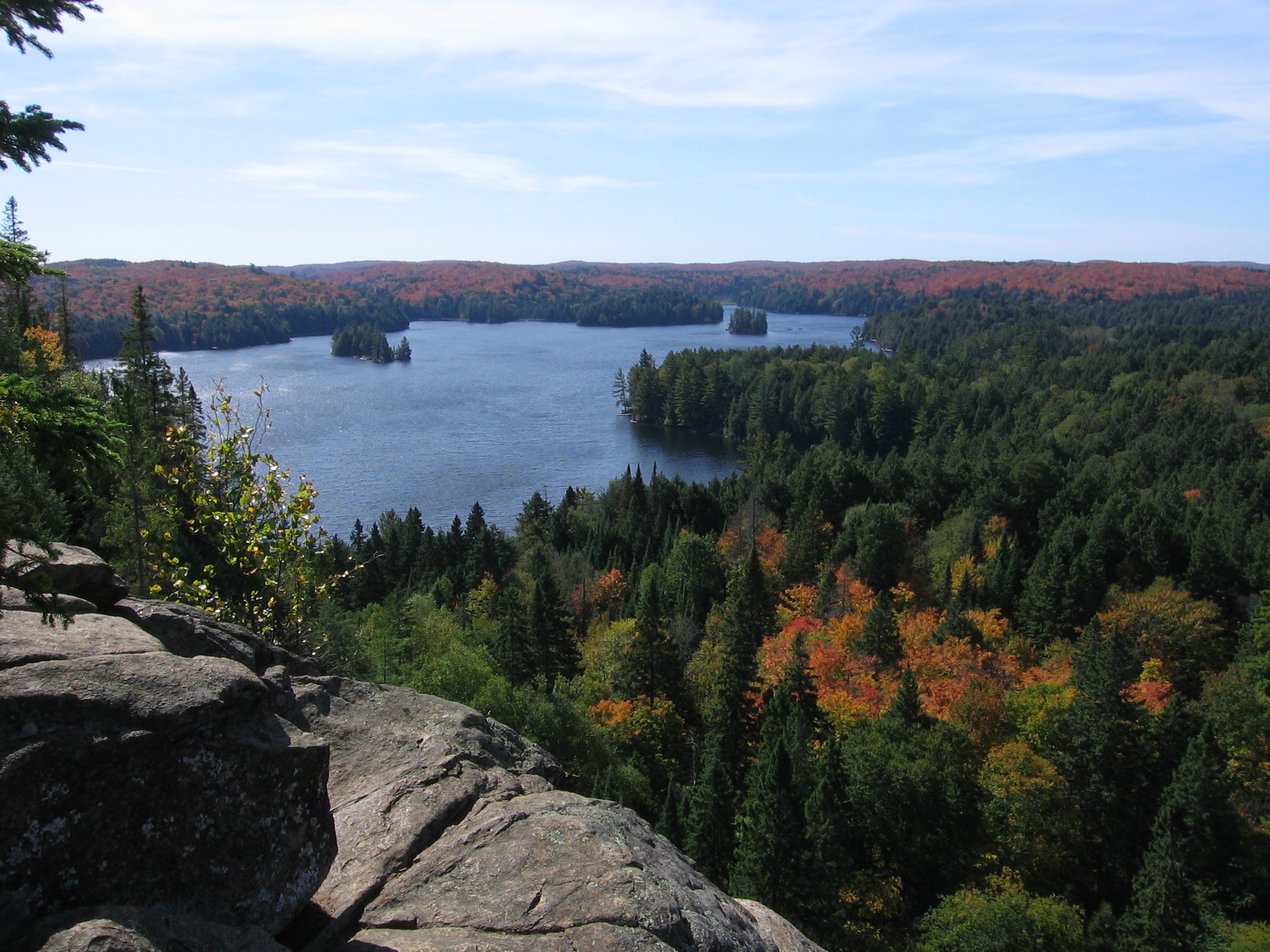
Ontario, CA
You might spot Canada Jay, American Beaver, and Black-Capped Chickadee.
View guide →
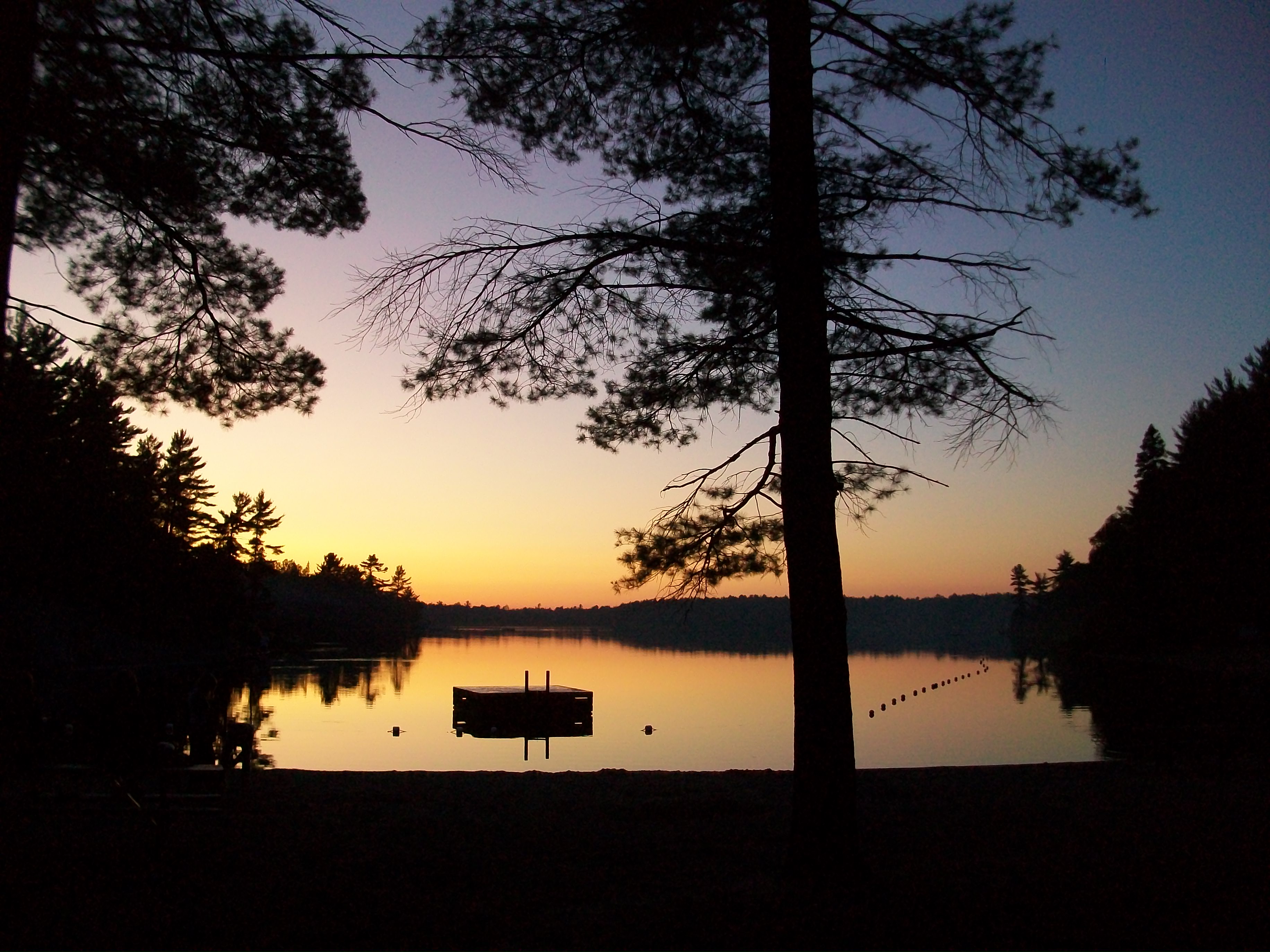
Ontario, CA
You might spot Painted Turtle, Common Watersnake, and Pickerelweed.
View guide →

Montana, US
You might spot Black Bear, Brown Bear, and Moose.
View guide →

Wisconsin, US
You might spot Western Bog Laurel and Purple Pitcher Plant.
View guide →

US
You might spot Tricolored Bumble Bee and Half-Black Bumble Bee.
View guide →

Minnesota, US
You might spot Eastern White Pine, Ruffed Grouse, and Northern Pin Oak.
View guide →
Take the discovery with you
Snap it with Snappit to identify it, learn what makes it special, and add the discovery to your collection.




.jpg&width=800)








