





Anacahuita
Cordia boissieri
The Anacahuita is a lovely shrub with bright yellow flowers that bloom in the summer. It can grow tall and is great for attracting butterflies and birds to your garden.
Habitat: Urban areas
The Anacahuita is a semi-evergreen shrub or small tree, showcasing clusters of large, crinkled, trumpet-shaped white flowers. Its dark green, fuzzy, oval leaves provide a lush backdrop to the abundant blooms, making it highly conspicuous.
Category
PlantsRarity
Common
Danger
1/5 · Very low
Snaps
4
Its beautiful white flowers earned it the nickname "Texas Wild Olive."
Its strong wood was once used to craft sturdy tool handles and fence posts.
People can make a tasty jelly from the sticky-sweet fruits of this plant.
The Anacahuita tree is the official state shrub for Texas!
Anacahuita can thrive in dry conditions thanks to its thick, leathery leaves that store water and reduce evaporation.
Anacahuita has a remarkable ability to produce flowers almost year-round, ensuring a constant food source for pollinators.
Anacahuita produces sweet, sticky fruits that attract birds and mammals, helping to spread its seeds far and wide.
Apis mellifera
gathers nectar and pollen from flowers
Didelphis virginiana
forages on its sweet, sticky fruits

Toxostoma longirostre
enjoys the plant's juicy fruits
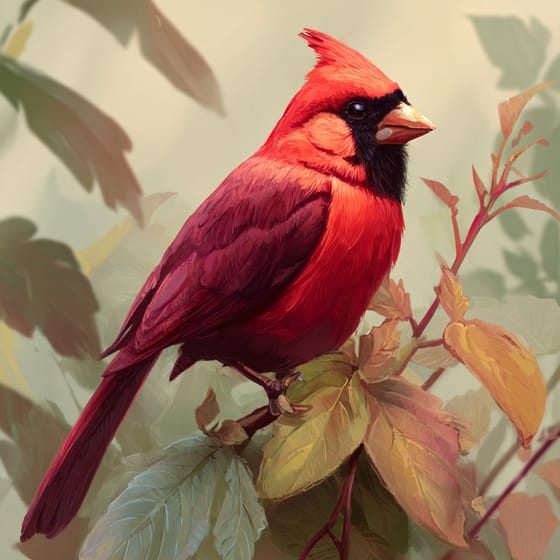
Cardinalis cardinalis
builds nests within its dense branches
Flowering plants are any plants that produce flowers as part of their reproductive cycle.
A shrub is a woody plant smaller than a tree, typically with multiple stems branching from or near the ground.
Summer blooming plants produce their flowers during the summer season, often providing vibrant color when many other plants have finished.
Fruit-bearing plants produce fruits, which are the mature ovaries of flowering plants containing seeds.

Drought-tolerant plants can survive and flourish in conditions with limited water availability.

Colorful describes organisms or objects displaying a wide range of bright and distinct colors.

Edible plants are those parts of a plant that are considered safe for human consumption.

Describes plants that are particularly attractive and beneficial to a wide range of pollinating organisms.

This habitat trait indicates species that can coexist with humans in urban and suburban environments, utilizing man-made structures and green spaces.
No aliases listed yet.
Danger
1/5 · Very low
Always be gentle around plants and ask an adult before touching them.
The easiest way to identify Anacahuita is to use the Snappit nature identifier app.
300-800 cm
300-600 cm
3-5 cm
Year-round, peaking in spring and summer
Yes
None
Perennial
Zoom in to split clusters and explore where this object has been snapped.

Texas, US
You might spot Bottlenose Dolphin and Sea Turtle.
View guide →

US
You might spot Great-Tailed Grackle, Duck, and Pond Slider.
View guide →

US
You might spot Great Kiskadee, Rock Pigeon, and Mexican Palo Verde.
View guide →
Take the discovery with you
Snap it with Snappit to identify it, learn what makes it special, and add the discovery to your collection.








.jpg&width=800)



_001.jpg&width=800)



