





Angora goat
Angora goat
Angora goats are fluffy animals known for their long, curly hair called mohair. They are friendly and love to graze on grass and shrubs in sunny areas.
Habitat: Grasslands
The Angora goat is known for its strikingly long, luxurious, white coat of mohair, which often grows in ringlets or dreadlocks. Its distinct shaggy appearance sets it apart from other goat breeds, giving it a fluffy, cloud-like look. They usually have a compact body with upright ears.
Category
MammalsRarity
Common
Danger
1/5 · Very low
Snaps
Be the first to snap!
Mohair is super strong and warm, used in sweaters, blankets, and even doll hair!
The word 'Angora' comes from Ankara, Turkey, their original homeland!
Their super soft hair, called mohair, grows about an inch (2.5 cm) every single month!
Unlike most animals, Angora goats don't shed; their beautiful fleece needs to be shorn!
Angora goat can grow a thick, lustrous coat of mohair wool, prized for its warmth and softness.
Angora goat can efficiently graze on tough plants and weeds, helping clear land thanks to its hardy digestive system.
Angora goat can thrive in diverse climates, adapting to both cold and warm conditions due to its robust nature.
These fuzzy grazers munch on a variety of plants, especially shrubs, weeds, and grasses.

Homo sapiens
Angora goats rely on humans for care and shelter.
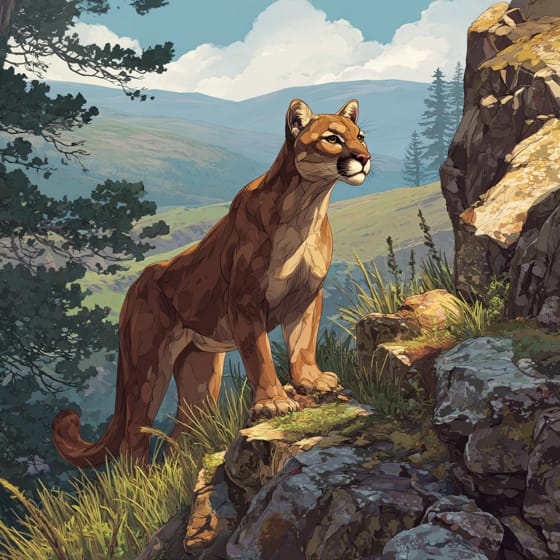
Puma concolor
Can prey on goats if they are in wilder rangelands.

Quercus gambelii
Browses on leaves and twigs of this common shrub.

Bromus tectorum
Helps control this invasive weed by grazing.
Furry describes animals possessing a dense covering of soft hair or fur.
Climbing or vine plants are characterized by a growth habit that allows them to ascend upwards by twining, tendrils, or adhesive roots.
Social animals live in organized groups, cooperating for survival benefits such as foraging, defense, and raising offspring.
Grassland habitats are terrestrial biomes dominated by grasses and herbaceous plants, supporting a variety of grazing animals.

This trait characterizes organisms whose diet consists entirely or primarily of plant material.

Domesticated refers to species that have been selectively bred and tamed by humans for specific purposes.

Diurnal animals are primarily active during daylight hours, typically resting or sleeping at night.
No aliases listed yet.
Danger
1/5 · Very low
Always be gentle and calm around goats, as they can be shy.
The easiest way to identify Angora goat is to use the Snappit nature identifier app.
120-150 cm
35-50 kg
8-12 years
25 km/h
These fuzzy grazers munch on a variety of plants, especially shrubs, weeds, and grasses.
Grasslands
Grazing
Zoom in to split clusters and explore where this object has been snapped.
Recent snaps will appear here as new observations are added.
Take the discovery with you
Snap it with Snappit to identify it, learn what makes it special, and add the discovery to your collection.




.jpg&width=800)


.JPG&width=800)

.jpg&width=800)
