_(Natural_Bridge_State_Park%2C_Virginia%2C_USA)_2_(27804946205).jpg&width=800)





Arborvitaes
thuja
Arborvitaes are evergreen trees that have beautiful, soft foliage! They grow tall and provide shelter for many animals in the forest.
Habitat: Arborvitaes typically grow in forests and are often found in gardens and parks.
The Arborvitaes has dense, scale-like leaves that are typically bright green to yellowish-green, often flattened into fan-like sprays. Its overall shape is usually conical or pyramidal, making it a distinct evergreen in many landscapes.
Category
PlantsRarity
Common
Danger
0/5 · No known danger
Snaps
Be the first to snap!
"Arborvitae" means "tree of life" because its leaves saved sailors from scurvy long ago!
Some species can grow over 60 feet tall, making them taller than a 5-story building!
Their wood has a super fresh, cedar-like scent, especially when cut or bruised!
They keep their green scales all winter long, even when most other trees are completely bare!
Arborvitaes has thick, evergreen foliage that helps it provide year-round shelter for many small animals from harsh weather.
Arborvitaes can produce natural oils in its wood that helps it resist decay and last longer in wet conditions.
Arborvitaes has dense, closely packed branches that help it create effective windbreaks, protecting homes and other plants.
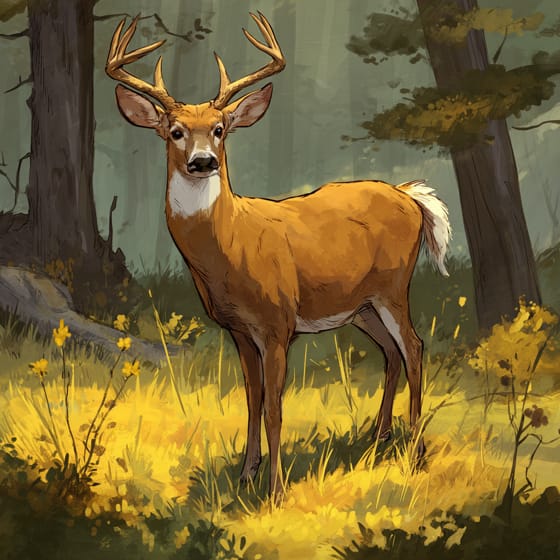
Odocoileus virginianus
Deer browse its evergreen foliage, especially in winter.
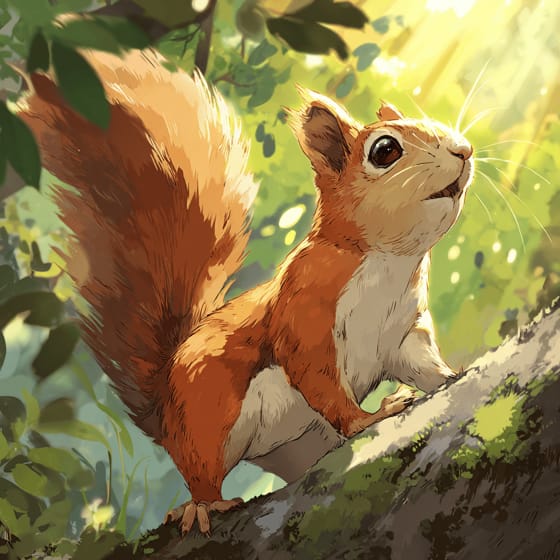
Sciurus carolinensis
Squirrels build nests and find refuge in its dense branches.
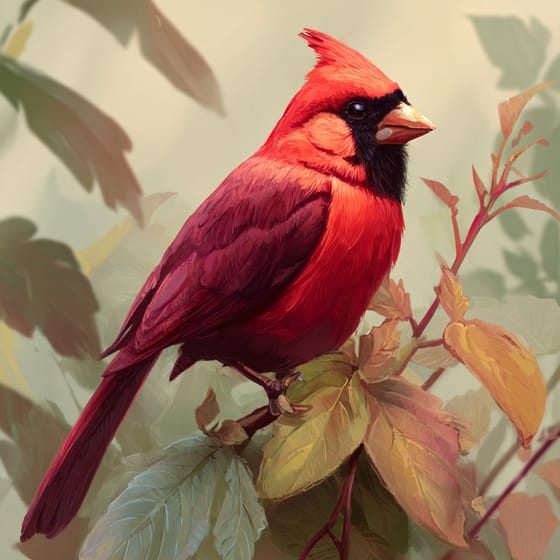
Cardinalis cardinalis
Cardinals often nest and seek cover within its thick foliage.
Social animals live in organized groups, cooperating for survival benefits such as foraging, defense, and raising offspring.
Arboreal animals live primarily in trees, utilizing them for shelter, food, and protection from predators.
Colorful describes organisms or objects displaying a wide range of bright and distinct colors.
This trait characterizes organisms whose diet consists entirely or primarily of plant material.

Forest habitats are terrestrial environments dominated by dense tree cover, supporting a high diversity of plant and animal life.
Danger
0/5 · No known danger
No special safety notes yet.
The easiest way to identify Arborvitaes is to use the Snappit nature identifier app.
300-1200 cm
150-400 cm
Spring
No
Mild
Perennial
Wind
Zoom in to split clusters and explore where this object has been snapped.
Recent snaps will appear here as new observations are added.
Take the discovery with you
Snap it with Snappit to identify it, learn what makes it special, and add the discovery to your collection.








.jpg&width=800)



_001.jpg&width=800)




