





Arge
Arge
Arge is a special type of insect that loves to munch on leaves. They are often bright green, which helps them blend in with the plants around them. Watching them can be a fun adventure in nature!
Habitat: Forests
The Arge is a robust insect, often showcasing a shiny black or metallic blue body, sometimes with bright yellow or orange markings. Its large, dark, membrane-like wings are typically veined, contrasting with its stout, broad waist, which distinguishes it from many true wasps.
Category
InsectsRarity
Common
Danger
1/5 · Very low
Snaps
Be the first to snap!
Adult Arge don't sting like wasps, they are totally harmless to people!
Arge larvae often raise their tails and coil their bodies when disturbed, looking like a tiny snake!
Female Arge use a special saw-like tool to tuck their eggs safely inside plant stems!
Some Arge larvae can change their color to perfectly match the leaves they are munching on!
Arge can cut tiny slits into plant stems with a special saw-like ovipositor to lay eggs safely inside, protecting them from danger.
Arge larvae can ooze a bad-tasting chemical from their bodies to make predators like birds or ants fly away!
Arge larvae often feed together in groups, making them look bigger and scarier to predators with their combined numbers.
Arge larvae munch on leaves, while adults might sip nectar or pollen for energy!
Age differences: Young Arge larvae eat only plant leaves, but adults may sip nectar or pollen for energy.
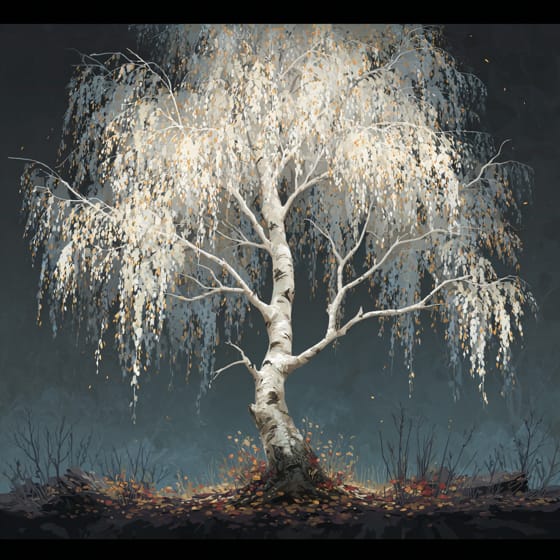
Betula pendula
Larvae munch on its leaves.
Rosa canina
A common host plant for Arge larvae.
Salix alba
Larvae also feed on its foliage.
%2C_Parc_de_Woluw%C3%A9%2C_Brussels_(13042792905).jpg&width=800)
Parus major
Birds may prey on Arge larvae.
Vespula vulgaris
Wasps often hunt Arge larvae.
Solitary animals live alone for most of their lives, only interacting with others for mating or parental care.
Camouflaged describes organisms that possess coloring or patterns that allow them to blend into their environment.
This trait characterizes organisms whose diet consists entirely or primarily of plant material.
Forest habitats are terrestrial environments dominated by dense tree cover, supporting a high diversity of plant and animal life.

Diurnal animals are primarily active during daylight hours, typically resting or sleeping at night.

Describes organisms that transfer pollen, enabling the fertilization and reproduction of plants.
No aliases listed yet.
Danger
1/5 · Very low
Always look but don't touch insects, as some can be delicate.
The easiest way to identify Arge is to use the Snappit nature identifier app.
12-24 mm
6-12 mm
20-50 days
Arge larvae munch on leaves, while adults might sip nectar or pollen for energy!
Forests
Foraging
6
Zoom in to split clusters and explore where this object has been snapped.
Recent snaps will appear here as new observations are added.

England, UK
You might spot Blacktip Reef Shark, Gentoo Penguin, and Sea Turtle.
View guide →

Louisiana, US
You might spot Brush-Footed Butterflies, Ant, and Hercules Beetle.
View guide →

Missouri, US
You might spot Ant, Tarantula, and Arge.
View guide →

Zurich, CH
You might spot Red Deer, Wolves and Dogs, and European Bison.
View guide →
Take the discovery with you
Snap it with Snappit to identify it, learn what makes it special, and add the discovery to your collection.







.jpg&width=800)



