





Arrowhead Orbweaver
verrucosa arenata
The Arrowhead Orbweaver spins beautiful, round webs that can catch flying insects. These little spiders are great at helping gardens by keeping pests away!
Habitat: They live in gardens, forests, and grassy areas where they can find plenty of insects to catch.
The Arrowhead Orbweaver has a striking, often bright yellow or green abdomen shaped like an arrowhead, sometimes with white or orange variations. Its distinctive triangular body, often adorned with tiny spikes, makes it easily recognizable among web-building spiders.
Category
InsectsRarity
Common
Danger
1/5 · Very low
Snaps
2
Despite its wild look, its bite is harmless to humans!
Female spiders are much bigger than the tiny males!
Its web can be almost invisible, stretching across paths!
Sometimes they eat their own web to recycle silk!
Arrowhead Orbweavers can spin intricate, large orb webs because their specialized spinnerets produce strong, sticky silk for catching prey.
Arrowhead Orbweavers have varied body colors, often yellow or green, that help them blend seamlessly into foliage, hiding from both predators and prey.
Arrowhead Orbweavers can detect vibrations in their web because sensitive hairs on their legs transmit signals, helping them quickly locate trapped insects.
These tiny hunters trap flying insects in their elaborate webs for a meal.
Musca domestica
Traps flies in sticky web.
Culex pipiens
Catches mosquitoes for food.
Apis mellifera
A rare but powerful meal.
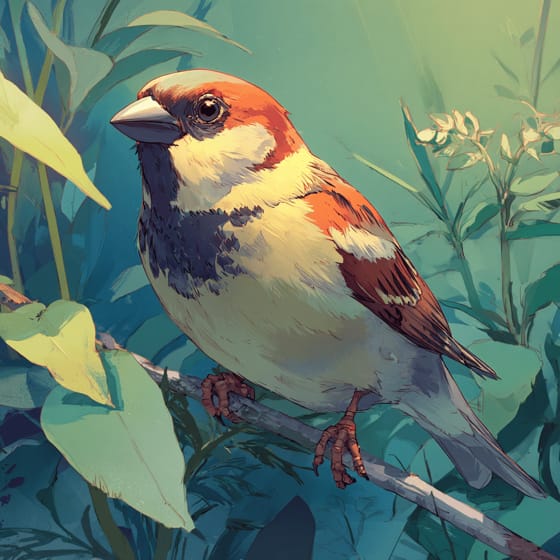
Passer domesticus
Small birds will eat them.
Solitary animals live alone for most of their lives, only interacting with others for mating or parental care.
Colorful describes organisms or objects displaying a wide range of bright and distinct colors.
Forest habitats are terrestrial environments dominated by dense tree cover, supporting a high diversity of plant and animal life.
This trait identifies organisms whose diet consists entirely or primarily of animal tissue.

Diurnal animals are primarily active during daylight hours, typically resting or sleeping at night.
Danger
1/5 · Very low
Always observe spiders from a distance and do not touch them.
The easiest way to identify Arrowhead Orbweaver is to use the Snappit nature identifier app.
2-9 mm
60-180 days
These tiny hunters trap flying insects in their elaborate webs for a meal.
They live in gardens, forests, and grassy areas where they can find plenty of insects to catch.
Ambush
8
Zoom in to split clusters and explore where this object has been snapped.

Alabama, US
You might spot Anole, Bee, and Bristle Thistle.
View guide →

Alabama, US
You might spot Anole, Bee, and Bristle Thistle.
View guide →

Florida, US
You might spot Peters's Rock Agama, Brown Anole, and American Alligator.
View guide →

Alabama, US
You might spot Anole, Bee, and Bristle Thistle.
View guide →

Alabama, US
You might spot Anole, Bee, and Bristle Thistle.
View guide →

Alabama, US
You might spot Anole, Bee, and Bristle Thistle.
View guide →
Take the discovery with you
Snap it with Snappit to identify it, learn what makes it special, and add the discovery to your collection.








.jpg&width=800)


