

Baldcypress
taxodium distichum
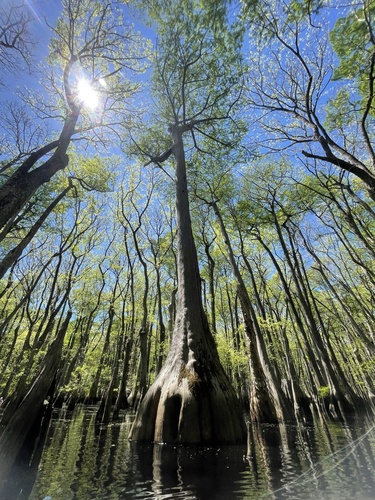
A classic symbol of the southern United States, the Baldcypress (Taxodium distichum) is a majestic, ancient-looking tree that dominates swamps, floodplains, and river margins. Renowned for its longevity and immense, heavily buttressed trunk, this unique tree thrives in waterlogged, anaerobic soils where few other species can survive. It often serves as a living scaffolding for draping Spanish moss, creating one of the most iconic and hauntingly beautiful landscapes in North America. Beyond its ecological importance as a habitat anchor, the Baldcypress yields highly rot-resistant wood, which historically made it a prime target for intensive logging.
Habitat: Found in southern swamps and river floodplains, often growing directly in shallow, standing water.
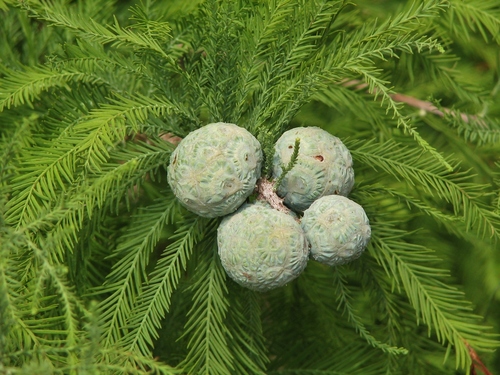
The Baldcypress is a massive tree characterized by a broad, fluted, and often swollen base that tapers up to a conical or flat-topped crown. Its bark is reddish-brown or grayish, with a fibrous, stringy texture that peels in long strips. Instead of standard leaves, it possesses feathery, flat sprays of soft, needle-like foliage that is bright green in summer before turning a brilliant coppery-red in autumn. Surrounding the trunk in wet environments, you will frequently see "cypress knees"—woody, cone-shaped projections rising from the root system above the water level. It also bears small, round, greenish-purple seed cones that dry to a woody brown.
Category
PlantsRarity
Common
Danger
1/5 · Very low
Snaps
11
Despite being a premier wetland species, the Baldcypress can actually grow perfectly well in dry, well-drained soils when planted as a landscaping tree.
The name 'Baldcypress' comes from its unusual habit of dropping all its needles in the fall, leaving the tree looking completely 'bald' during the winter months.
The oldest known living Baldcypress is located along the Black River in North Carolina and is documented to be over 2,624 years old.
When a specific natural fungus attacks older Baldcypress trees, it creates a highly sought-after, textured lumber known in the timber industry as 'pecky cypress'.
It produces specialized woody projections called pneumatophores (knees) that rise above the water, which provide tremendous structural stability in muddy soils and may aid in oxygenating the root system.
Unlike the vast majority of cone-bearing trees, the Baldcypress sheds its needle-like foliage entirely every autumn, allowing it to conserve water and prevent ice damage during the winter.
It has adapted to survive in permanently submerged or heavily fluctuating wetland environments, thriving in oxygen-depleted muck where most tree roots would suffocate.
As a plant, the Baldcypress produces its own energy through photosynthesis, synthesizing carbohydrates from atmospheric carbon dioxide and water.

Tillandsia usneoides
Grows heavily on the branches of the Baldcypress, utilizing the tree as structural support to access sunlight.

Aix sponsa
Relies on the natural cavities formed in older Baldcypress trees to build safe, elevated nests over the water.
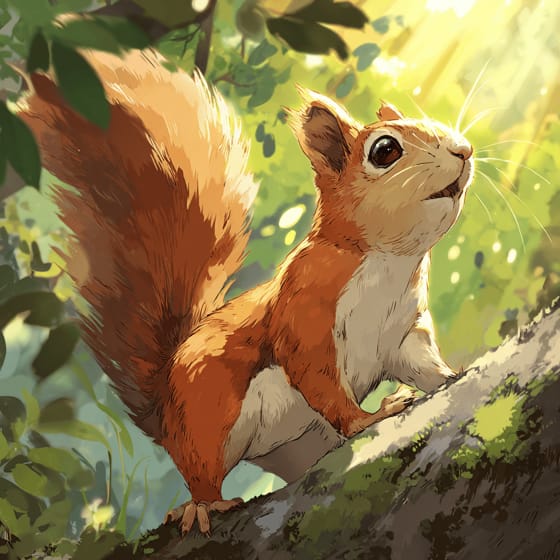
Sciurus carolinensis
Consumes the seeds extracted from the woody cones of the Baldcypress.
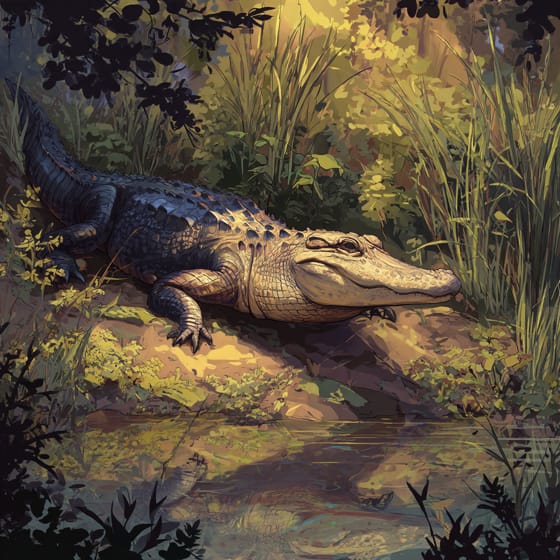
Alligator mississippiensis
A classic resident of the same swamps, often using the shaded waters beneath Baldcypress trees as prime resting and ambush habitat.
No trait badges are assigned for this object yet.
No aliases listed yet.
Collections for this object will appear here as more themes are added.
Danger
1/5 · Very low
No special safety notes yet.
The easiest way to identify Baldcypress is to use the Snappit nature identifier app.
1500-4400 cm
400-2624 years
As a plant, the Baldcypress produces its own energy through photosynthesis, synthesizing carbohydrates from atmospheric carbon dioxide and water.
Found in southern swamps and river floodplains, often growing directly in shallow, standing water.
Photosynthesis
Zoom in to split clusters and explore where this object has been snapped.
Apr 6, 2024
EbenezerPhoto attribution
(c) Sawyer Baran, some rights reserved (CC BY)
License: CC BY 4.0 ↗
Image may be shown cropped inside the card frame.

Arkansas, US
You might spot Eastern Gray Squirrel and Asian Lady Beetle.
View guide →

Georgia, US
You might spot Baldcypress, Anole, and American Alligator.
View guide →

Arkansas, US
You might spot Water Tupelo, Banded Watersnake, and Prothonotary Warbler.
View guide →

South Carolina, US
You might spot American Alligator, Great Blue Heron, and Anhinga.
View guide →

Connecticut, US
You might spot Osprey, Monarch, and Common Reed.
View guide →

Florida, US
You might spot Anhinga, American Alligator, and Wood Duck.
View guide →
Take the discovery with you
Snap it with Snappit to identify it, learn what makes it special, and add the discovery to your collection.












.jpg&width=800)



_001.jpg&width=800)




