





Baldcypresses
Taxodium
Baldcypresses are tall trees that love to stand in water! They have unique, knobby knees that help them breathe when their roots are submerged.
Habitat: Swamps, wetlands, and along riverbanks in the southeastern United States.
The Baldcypresses has soft, feathery, lime-green needles that turn a striking reddish-brown in fall before dropping. Its unique, conical shape often features a wide, flared base and distinctive 'knees' popping out of wet soil.
Category
PlantsRarity
Common
Danger
0/5 · No known danger
Snaps
Be the first to snap!
Its strong wood can last centuries underwater without rotting!
Some Baldcypress trees alive today are older than many countries!
These unique trees are conifers but lose all their needles each winter!
Young Baldcypress trees can grow over a meter taller in just one year!
Baldcypresses can breathe underwater because they grow special 'knees' from their roots to get air!
Baldcypresses has a strong, flared trunk base that helps it stand firm in soft, wet, mucky soils.
Baldcypresses has wood that is naturally resistant to decay, helping it survive long in wet environments.
Castor canadensis
Uses its wood to build lodges and dams.
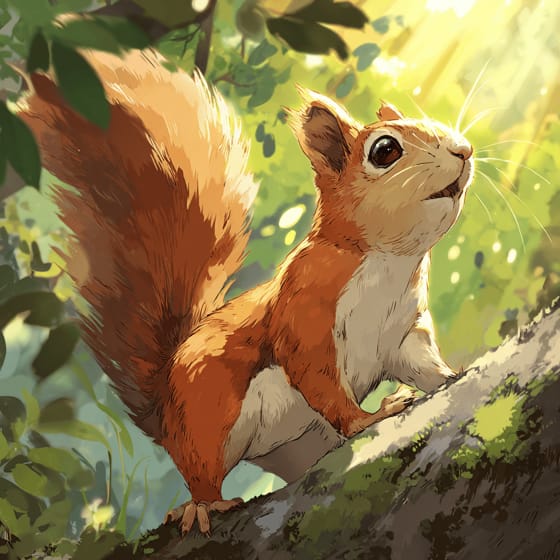
Sciurus carolinensis
Feeds on the small seeds inside its cones.
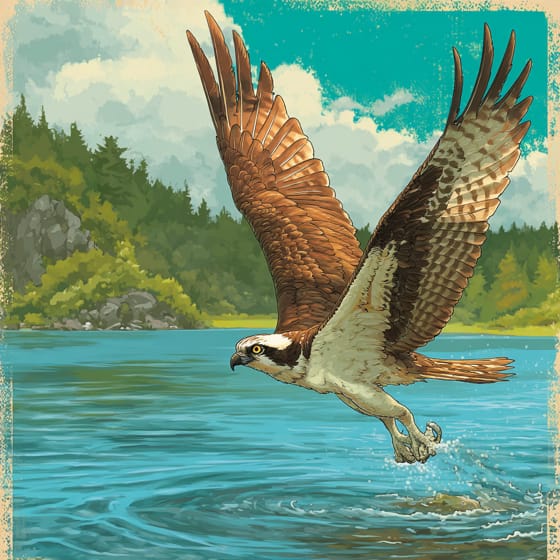
Pandion haliaetus
Builds large nests high in its sturdy branches.
Anas platyrhynchos
Ducks consume the seeds that fall into water.
Ambystoma texanum
Lives in hollows near its roots in wetlands.
Social animals live in organized groups, cooperating for survival benefits such as foraging, defense, and raising offspring.
Forest habitats are terrestrial environments dominated by dense tree cover, supporting a high diversity of plant and animal life.
Diurnal animals are primarily active during daylight hours, typically resting or sleeping at night.
Aquatic habitats encompass environments where organisms live predominantly in water, including oceans, rivers, lakes, and wetlands.

Endangered status indicates a species is at a very high risk of extinction in the wild in the near future.
Danger
0/5 · No known danger
No special safety notes yet.
The easiest way to identify Baldcypresses is to use the Snappit nature identifier app.
2500-4500 cm
600-1200 cm
Spring
No
None
Perennial
Wind
Zoom in to split clusters and explore where this object has been snapped.
Recent snaps will appear here as new observations are added.
Take the discovery with you
Snap it with Snappit to identify it, learn what makes it special, and add the discovery to your collection.








.jpg&width=800)



_001.jpg&width=800)




