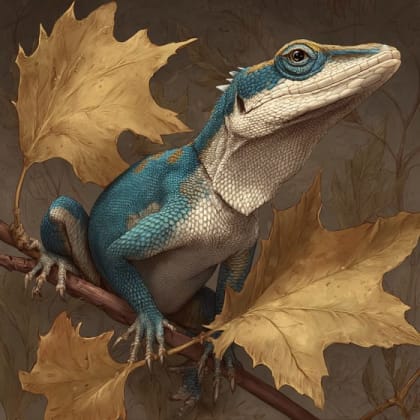





Anole

The Gorgas-Manly Historic District offers a captivating journey through University of Alabama's past.
The Gorgas-Manly Historic District offers a captivating journey through University of Alabama's past.
This 12-acre historic district on the University of Alabama campus in Tuscaloosa is a testament to resilience and architectural evolution, showcasing buildings dating from the university's inception through the late 19th century. It stands as a remarkable collection of structures, with some famously surviving the devastating 1865 burning of the campus during the Civil War. Encompassing various architectural styles like Federal, Greek Revival, and Gothic Revival, the district provides a unique window into Southern history and collegiate heritage.
Visitors can explore the iconic Gorgas House, the oldest building on campus, now a museum filled with 19th-century furnishings, offering a glimpse into the life of the Gorgas family. The distinct octagonal Little Round House, originally a guard post, also withstood the Civil War destruction. Other prominent features include Woods Hall, the first building erected after the war, and several striking Gothic Revival structures such as Clark Hall, Presidents Hall (formerly Manly Hall), and Garland Hall, each boasting unique architectural details and historical significance.
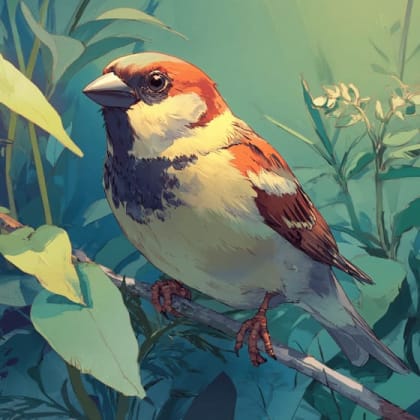
Walking through the Gorgas-Manly Historic District is an immersive experience, inviting contemplation of the university's enduring spirit and the rich narratives embedded within its walls. It's a must-visit for anyone interested in American history, architectural beauty, and the academic legacy of the South, providing a picturesque and educational stroll through a pivotal part of Alabama's heritage. Wondering what that bird or insect is? Find out on your visit using the Snappit nature app.
The Gorgas-Manly Historic District's history is deeply intertwined with the University of Alabama, beginning with the construction of the Gorgas House in 1829, which was the first building on the campus. The district's buildings represent various phases of the university's development, including those present before the American Civil War, such as the Gorgas House and the Little Round House. These two, along with the President's Mansion and the Old Observatory, were among only seven structures to miraculously survive the burning of the campus by Union forces in April 1865. Following the Civil War, the district saw a period of reconstruction and expansion. Woods Hall was the first new building constructed between 1867 and 1868, utilizing salvaged bricks from the destroyed campus. Subsequently, buildings like Clark Hall, Manly Hall (now Presidents Hall), Garland Hall, Tuomey Hall, and Barnard Hall were erected during the economic recovery of the post-Reconstruction era, often financed by land sales as reparations for the war damage. In 1971, the district was recognized for its historical significance and added to the National Register of Historic Places. Notably, in 2020, Manly Hall was renamed Presidents Hall by the University of Alabama Board of Trustees to remove its association with Basil Manly Sr., due to his defense of slavery and promotion of white supremacy.
Embark on a self-guided architectural tour, admiring the intricate details of each historic building. Read the numerous historical markers to understand the stories and figures associated with the district. Visit the Gorgas House Museum for period furnishings and insights into the Gorgas family. Enjoy the open spaces of the University Quad that connect these historical treasures.
Spring: Pleasant temperatures, blooming flowers, and vibrant campus life.
Summer: Can be very hot and humid; plan visits for early morning or late afternoon.
Fall: Cooler temperatures, beautiful autumn foliage, and active campus with students.
Winter: Generally mild, but some days can be chilly; fewer crowds.
The district is part of an active university campus, so most main pathways and sidewalks are paved and generally wheelchair accessible. However, access to the interiors of some historic buildings, particularly upper floors, may be limited due to their age and preservation status. The Gorgas House Museum typically has accessible ground-floor areas.
The Gorgas House Museum, Little Round House, Woods Hall, Clark Hall, Presidents Hall (formerly Manly Hall), and Garland Hall are central to the district's allure. Seek out the varied architectural styles, from Greek Revival to Gothic Revival.
Each card links to a full Explore page with photos, traits, and fun facts.






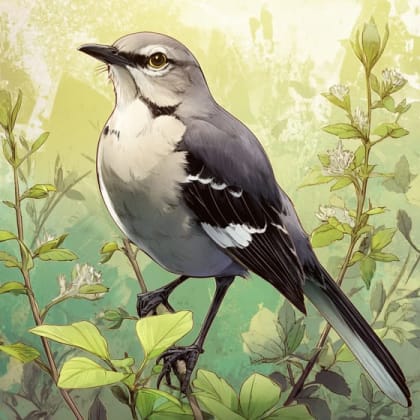






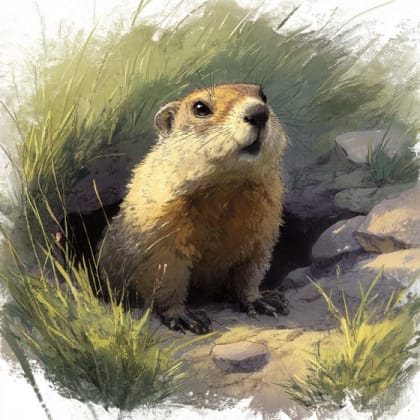













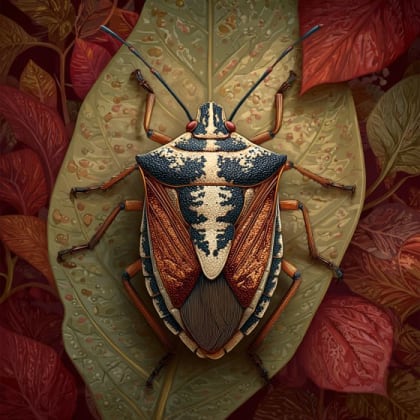




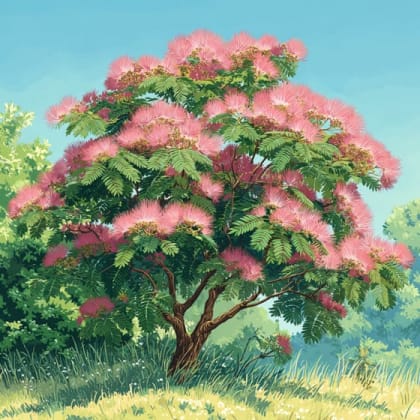


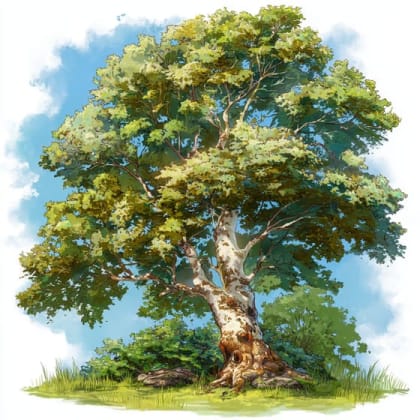











Start with the big picture, then zoom in to explore individual wildlife observations around this place.
Wear comfortable shoes, as exploring the district is best done on foot with a self-guided walking tour.
Bring a camera to capture the beautiful Federal, Greek Revival, and Gothic Revival architecture.
Check the operating hours for the Gorgas House Museum in advance, as it is the main building offering interior access.
Consider visiting during off-peak university hours to enjoy a more serene experience.
Look for historical markers placed near each building for detailed information on their past.
Utilize one of the University of Alabama's visitor parking areas, which offer pay-and-display spaces.
Jun 20, 2026
Jun 19, 2026
Jun 17, 2026
Jun 16, 2026
Jun 16, 2026

Maryland, US
You might spot White-Tailed Deer and Eastern Gray Squirrel.
View guide →
.jpg)
District of Columbia, US
You might spot Eastern Gray Squirrel, Duck, and House Sparrow.
View guide →

Illinois, US
You might spot American Robin, Canada Goose, and House Sparrow.
View guide →

Virginia, US
You might spot Spotted Lanternfly and Northern Cardinal.
View guide →
Take the discovery with you
Identify the wildlife you spot, learn as you go, and keep a collection of the adventure.