





Sea Lion

Prospect Park Zoo is a charming wildlife haven in Brooklyn, offering intimate animal encounters.
Prospect Park Zoo is a charming wildlife haven in Brooklyn, offering intimate animal encounters. Operated by the Wildlife Conservation Society (WCS), this 12-acre zoo is dedicated to connecting urban dwellers with nature, focusing on education and conservation through engaging exhibits and up-close animal viewing experiences. It stands as a vibrant part of Brooklyn's cultural landscape, providing a unique escape into the animal kingdom right within Prospect Park.
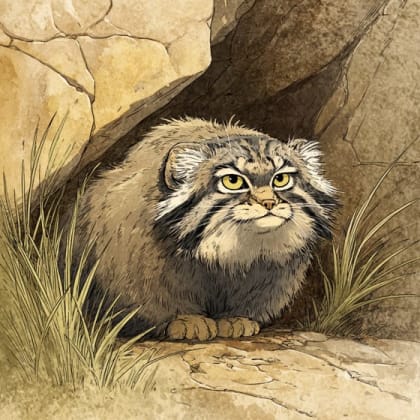
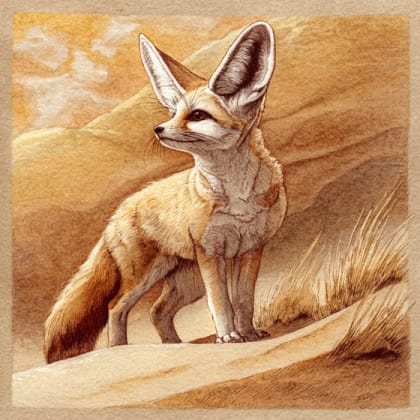
The zoo is home to a diverse collection of species, thoughtfully presented across themed areas. Visitors can marvel at the playful California sea lions at the Sea Lion Court, observe elusive Pallas's cats and black-footed cats, and encounter charismatic red pandas on the Discovery Trail. The Animal Lifestyles building features a lively troop of hamadryas baboons and Geoffroy's marmosets, while the Hall of Animals showcases smaller wonders like dwarf mongooses, fennec foxes, Rodrigues fruit bats, and poison dart frogs. The Barn and Garden offers a more interactive experience, allowing guests to feed friendly farm animals such as sheep, goats, and alpacas.
More than just a place to see animals, Prospect Park Zoo provides an educational and inspiring day out for all ages. Its thoughtfully designed naturalistic habitats and commitment to species survival programs emphasize the importance of wildlife conservation. The zoo's welcoming atmosphere and diverse collection make it a memorable destination for families and anyone seeking a delightful journey into the natural world. Wondering what that bird or insect is? Find out on your visit using the Snappit nature app.
The history of Prospect Park Zoo dates back to a small menagerie established within Prospect Park in 1890. This informal collection evolved, and a more formal city zoo officially opened on July 3, 1935, as a Works Progress Administration (WPA) project during a larger revitalization of city parks. It was initially designed with buildings centered around a seal pool and featured exhibits such as a bear pit, a lion house, and an elephant house. After several decades, the original zoo became outdated by modern animal welfare standards and closed in June 1988 for extensive reconstruction. A five-year, $37 million renovation transformed the facility, replacing old cages and pits with naturalistic habitats. The modernized zoo reopened on October 5, 1993, under the management of the Wildlife Conservation Society (WCS) and was initially renamed the "Prospect Park Wildlife Conservation Center," reflecting its renewed focus on conservation and education, particularly for children.
Enjoy observing animals in their naturalistic habitats, attend a sea lion training session, feed farm animals, and engage with interactive elements like the prairie dog tunnels. Keep an eye out for free-roaming peacocks!
The zoo is open year-round. During winter months (November-March), the Flatbush Avenue entrance may be inaccessible, and visitors should use the Children's Corner entrance. Indoor exhibits offer warmth during colder weather. Animal visibility may vary with weather conditions.
All buildings and grounds are wheelchair accessible. A limited number of free wheelchairs are available on a first-come, first-served basis. The zoo has also partnered with KultureCity to offer sensory-friendly experiences, with designated "Quiet Zones" and "headphone zones." Service animals are permitted in accordance with the ADA.
Witness daily training sessions, a lively spectacle of California sea lions.
Home to red pandas, North American porcupines, dingoes, black-tailed prairie dogs, and North American river otters. The prairie dog tunnels are a fun, interactive feature.
Explore an indoor space featuring smaller, fascinating creatures like dwarf mongooses, fennec foxes, Rodrigues fruit bats, and colorful poison dart frogs.
Observe the dynamic social groups of hamadryas baboons and Geoffroy's marmosets.
Each card links to a full Explore page with photos, traits, and fun facts.
Start with the big picture, then zoom in to explore individual wildlife observations around this place.
Purchase Tickets Online
** Buy your date-specific tickets in advance online to secure your entry and save time.
Use Public Transportation
Given the limited parking, consider taking the subway (Q, B, or Franklin Ave. Shuttle to Prospect Park Station) or bus (B41) for easy access.
Check Daily Schedules
Consult the zoo's "Today at the Zoo" section online for sea lion training session times to plan your visit around these popular events.
Explore the Discovery Trail
Don't rush through this immersive outdoor area; it offers interactive exhibits and opportunities to see multiple species, including the popular red pandas.
Visit the Barn and Garden
This is a great spot, especially for children, where you can purchase food pellets and hand-feed some of the friendly farm animals.
Pack Snacks
While there is a café with beverages and snacks, hot food options may be limited, so bringing your own snacks can be helpful, especially for families.
Jun 3, 2026
Jun 3, 2026
Jun 2, 2026
May 30, 2026
May 29, 2026

Michigan, US
You might spot African Lion, Komodo Dragon, and Brown Bear.
View guide →
.jpg)
Municipal District of Cobh, IE
You might spot Ring-Tailed Lemur, Giraffes, and Cheetahs.
View guide →

Nouvelle-Aquitaine, FR
You might spot Greater Flamingo, Giraffes, and Red Panda.
View guide →

Texas, US
You might spot Giraffes, African Lion, and Eastern Black Rhinoceros.
View guide →
Take the discovery with you
Identify the wildlife you spot, learn as you go, and keep a collection of the adventure.































.jpg&width=800)










_Berberis_bealei_habitus.jpg&width=800)



