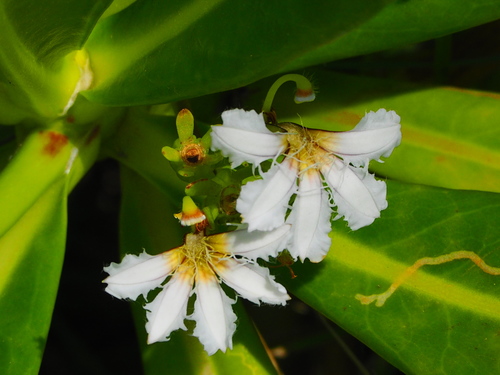


Beach Naupaka
scaevola taccada
Beach Naupaka (Scaevola taccada) is a ubiquitous and robust coastal shrub found along tropical and subtropical shores of the Indo-Pacific. Renowned for its distinctive, deeply lobed "half-flowers," this hardy plant thrives in harsh, salty, and windy environments where few others can survive. It acts as an excellent pioneer species, often stabilizing loose sand dunes and protecting coastlines from erosion. Deeply embedded in Pacific island folklore, particularly in Hawaiian mythology, the unique shape of the flower is said to represent lovers forever separated—one forced to live in the mountains, the other by the sea. Beyond its cultural significance, the Beach Naupaka is a marvel of oceanic dispersal. Its small, buoyant white fruits can ride ocean currents for months, spreading the species to remote atolls and newly formed volcanic islands across the globe.
Habitat: Found along tropical sandy beaches and coastal dunes, often growing near the high tide mark.
Beach Naupaka is a dense, spreading, evergreen shrub that typically grows 1 to 3 meters (3 to 10 feet) tall. It features large, fleshy, light-green obovate leaves that are crowded at the tips of its branches and bear a waxy coating to retain moisture. Its most identifying characteristic is its unusual white to pale-purple flowers, which fan out in a semi-circle, making them look as though they have been torn exactly in half. It produces clusters of somewhat spongy, opaque white berries that closely resemble small hailstones.
Category
PlantsRarity
Common
Danger
1/5 · Very low
Snaps
4
Because it aggressively outcompetes native coastal flora, it is considered a severe invasive species in Florida and is actively removed from state parks.
Hawaiian folklore claims the unique 'half-flower' represents a woman named Naupaka who was separated from her lover; he was turned into the Mountain Naupaka, and she the Beach Naupaka.
The styrofoam-like seeds are so resilient they can remain viable even after washing up on a beach following months of drifting at sea.
Traditional Polynesian navigators and healers used the hollow stems of the plant as snorkels, and applied its crushed leaves to treat stings and minor cuts.
The spongy, buoyant white fruits can survive floating in highly saline ocean water for up to a year, allowing currents to carry seeds to distant shores.
Specialized waxy, succulent leaves allow the plant to withstand intense, continuous exposure to coastal salt spray and high winds without dehydrating.
It forms dense, sprawling root systems that aggressively anchor into shifting sands, preventing erosion and actively building up coastal dunes.
As a photosynthetic plant, Beach Naupaka produces its own food by harnessing sunlight, water, and carbon dioxide.
Hylaeus anthracinus
Native bees heavily rely on the nectar of Beach Naupaka flowers, serving as primary pollinators.
.jpg&width=800)
Uniola paniculata
In areas where Beach Naupaka is invasive, it outcompetes and shades out vital native dune-stabilizing flora.
Ocypode ceratophthalmus
Ghost crabs often dig their deep burrows among the dense, protective root systems of the shrub.
No trait badges are assigned for this object yet.
No aliases listed yet.
Collections for this object will appear here as more themes are added.
Danger
1/5 · Very low
No special safety notes yet.
The easiest way to identify Beach Naupaka is to use the Snappit nature identifier app.
100-300 cm
10-30 years
As a photosynthetic plant, Beach Naupaka produces its own food by harnessing sunlight, water, and carbon dioxide.
Found along tropical sandy beaches and coastal dunes, often growing near the high tide mark.
Photosynthesis
Zoom in to split clusters and explore where this object has been snapped.

Hawaii, US
You might spot Hawaiian Garden Spider, Beach Naupaka, and Black Noddy.
View guide →

US
You might spot Brown Anole, Zebra Dove, and Red-Crested Cardinal.
View guide →
Hawaii, US
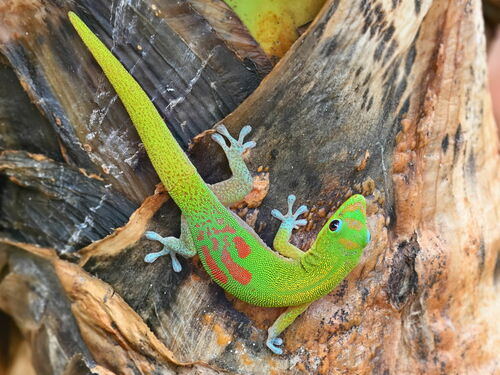
You might spot Gold Dust Day Gecko, Sea Turtle, and Brown Anole.
View guide →

Hawaii, US
You might spot Yellow ʻilima, Red-Tailed Tropicbird, and White Leadtree.
View guide →

Hawaii, US
You might spot Spathoglottis Plicata, Thatch Screwpine, and Brown Anole.
View guide →

Hawaii, US
You might spot Brown Anole, Red-Crested Cardinal, and Gold Dust Day Gecko.
View guide →
Take the discovery with you
Snap it with Snappit to identify it, learn what makes it special, and add the discovery to your collection.











.jpg&width=800)



_001.jpg&width=800)




